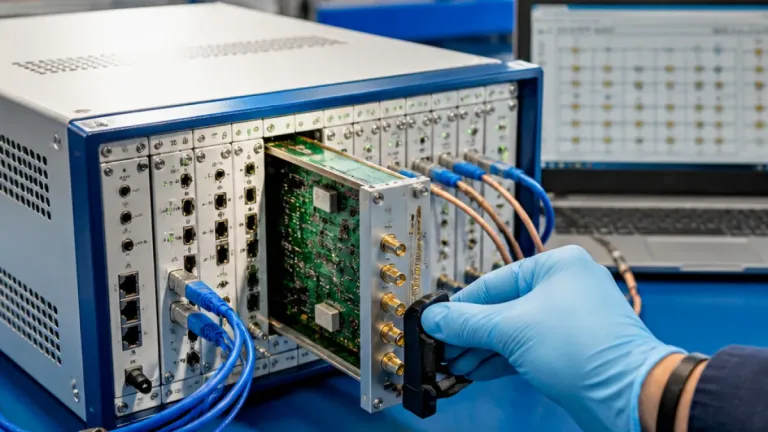
Toronto-based hardware-wallet maker Coinkite is at the centre of a major cryptocurrency security breach after attackers exploited a flaw in its Coldcard devices to steal about 1,596 bitcoin, roughly CA$140 million at current values.
What happened
The theft targeted a vulnerability introduced in a firmware update in 2021 that altered how some Coldcard units generated the seed phrases that control access to bitcoin. Seed phrases are intended to be random sequences of words that protect access to a user's holdings; the flaw weakened that randomness and allowed attackers to recover private keys for a large number of wallets.
"secure your bitcoin"
Coinkite's Coldcard has been marketed as physical "cold" storage designed to keep bitcoin offline and insulated from online attacks. But the newly disclosed flaw has shown that an offline hardware wallet is only as secure as the cryptographic processes it uses.
Scale and immediate fallout
According to analysis of blockchain movements, the attackers drained funds from around 7,300 addresses. The aggregate haul of 1,596 bitcoin equates to approximately CA$140 million. Canadians — particularly Coinkite customers in Canada — bore a sizeable share of the loss, accounting for about 25 per cent of the stolen funds.
Curiously, much of the stolen bitcoin has not been laundered or widely dispersed. The majority of the coins remain parked in just four addresses, visible on the public blockchain. Investigators and analysts watching the addresses reported that only about 30 bitcoin had been moved as of Aug. 13.
| Metric | Figure |
|---|---|
| Bitcoin stolen | 1,596 BTC |
| Estimated value | CA$140 million |
| Addresses hit | ~7,300 |
| Portion borne by Canadians | ~25% |
| Coins moved since theft (as of Aug. 13) | ~30 BTC |
Local context and consequences
The incident raises immediate questions for Toronto investors, fintech firms and users who rely on hardware wallets for long-term cryptocurrency storage. Hardware wallets like Coldcard are often chosen to shield long-term holders from exchanges and online "hot wallet" risks; when that layer of protection fails, recovery options are limited.
Because bitcoin transactions are irreversible and the blockchain is public, stolen coins can be tracked but not necessarily recovered. The fact that the majority of the stolen funds remain in a small number of addresses gives investigators and blockchain sleuths a visible trail, but it does not translate into legal recourse or guaranteed recovery.
- For Coinkite customers: It is essential to check device firmware versions and advisories from the company. Customers should follow official guidance and consider moving unaffected funds where possible.
- For Toronto investors: The breach is a reminder of the systemic risks in self-custody solutions and the need for careful vetting of device security and update history.
- For the broader crypto ecosystem: The incident underscores how a single software change can massively affect perceived security, even for devices designed to operate offline.
At this stage, there is no public indication that the stolen funds will be returned. The immutability of bitcoin transactions and the attackers' control of the private keys mean affected customers face a difficult path to restitution.
Officials, exchanges and law-enforcement agencies with cyber-fraud units often monitor high-value wallet movements for patterns that can lead to the identification or disruption of laundering efforts. Whether that effort will produce a recovery here remains uncertain given the public, permissionless nature of the blockchain and the time-sensitive advantage held by the attackers.
The breach also adds pressure on hardware-wallet manufacturers and the local tech community to prioritise rigorous code review, transparent security practices and rapid response processes for critical firmware flaws.
For Toronto residents storing cryptocurrency in hardware devices, the episode serves as a prompt to review device firmware, back-up procedures and the security claims of vendors before committing significant holdings to any single product.