Wildfire evacuations deepen lodging crisis for medical patients in Thunder Bay
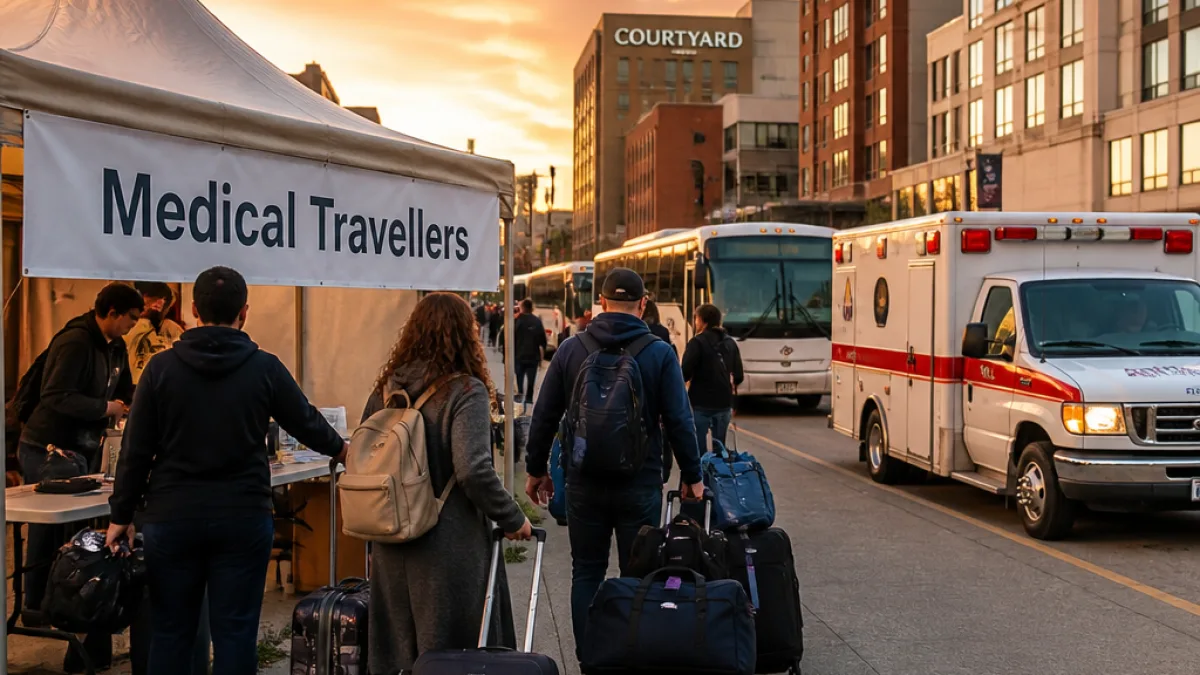
Thunder Bay's role as the regional medical hub for northwestern Ontario is under pressure this summer as widespread wildfires push evacuees, emergency crews and tourists into an already tight hotel market. Health authorities say the shortage of rooms is worsening longstanding problems for patients travelling from remote First Nation communities for hospital appointments in the city.
Monica Hemeon, vice-president of regional services for the Sioux Lookout First Nations Health Authority (SLFNHA), says the wildfire season has amplified an existing accommodation and transportation crisis for medical travellers. The shortage has resulted in missed appointments and delays in care for people who must leave their communities to access services not available locally.
"We were already in a crisis, and what the fires have done has amplified it."
Thunder Bay's hotels are accommodating a mix of evacuees from affected First Nations, transient emergency personnel fighting fires across northern Ontario, and an influx of summer visitors. That combination has eaten into the pool of rooms ordinarily used by patients and their escorts when they travel to Thunder Bay for scheduled medical procedures and follow-ups.
Hemeon told CBC News some communities are reporting large numbers of missed appointments — a symptom of both transportation hurdles and the lack of nearby lodging. She said communities have reported between 60 and 150 appointments missed in a month in some cases, a figure that health officials say underscores the broader strain on regional health services.
| Reported missed appointments | Context |
|---|---|
| 60 | Lower-end community reports for missed appointments in a month |
| 150 | Higher-end community reports for missed appointments in a month |
Transportation problems compound the accommodation shortfall. SLFNHA officials have previously flagged issues including medical travel not being arranged promptly and patients not being informed of appointment details, factors that contribute to missed care even when hospital capacity exists. With hotels fuller than usual, families and escorts who rely on temporary lodging face extra costs and logistical hurdles that can force them to cancel or reschedule.
- Evacuees: People displaced from northern communities are occupying rooms in Thunder Bay while communities remain unsafe or uninhabitable.
- Emergency personnel: Fire crews and support staff require accommodation near staging areas, often in the city.
- Tourists: The summer tourism season adds normal visitor demand to the scarce supply of hotel rooms.
For residents of remote First Nations, travelling to Thunder Bay for care has long involved coordination between band offices, medical travel programmes and regional health authorities. The current wildfire season has layered additional uncertainty over that system. Some communities have faced evacuations, while others are coping with smoke and reduced local services — all of which can disrupt travel plans and the continuity of care.
Thunder Bay hospitals and clinics have not been reported as turning away urgent cases, but the logistical barriers for outpatient and scheduled visits could have downstream effects on follow-up care and chronic disease management. Missed appointments may mean delays in diagnosis, postponed treatments and increased pressure on local providers who try to reschedule patients once accommodations become available.
Health service administrators and First Nations health authorities now face the twin tasks of finding immediate lodging solutions for patients and advocating for longer-term measures to ensure continuity of care when regional infrastructure is strained by emergencies.
Short-term responses could include prioritizing hotel room allocations for medical travellers, expanding use of temporary housing facilities, or increasing coordination with regional governments to secure additional accommodation. Over the longer term, stakeholders have argued for improved local health capacity and better-resourced medical-transportation programmes to reduce the need for travel to Thunder Bay in the first place.
As wildfires continue to affect communities across northern and northwestern Ontario, the ripple effects on Thunder Bay's hospitality sector and the health-care journeys of remote patients are a reminder that climate-driven emergencies reshape more than forests — they also strain the social and health systems that rely on predictable access to a region's services.