Health inspections identify critical violations at two food-service sites in Terrebonne Parish
The Louisiana Department of Health reported multiple critical food-safety violations at two establishments during inspections conducted in mid-July, naming one facility in Terrebonne Parish and another in neighbouring Lafourche Parish. The inspection findings were published in the department's inspection records and reviewed by local media in August.
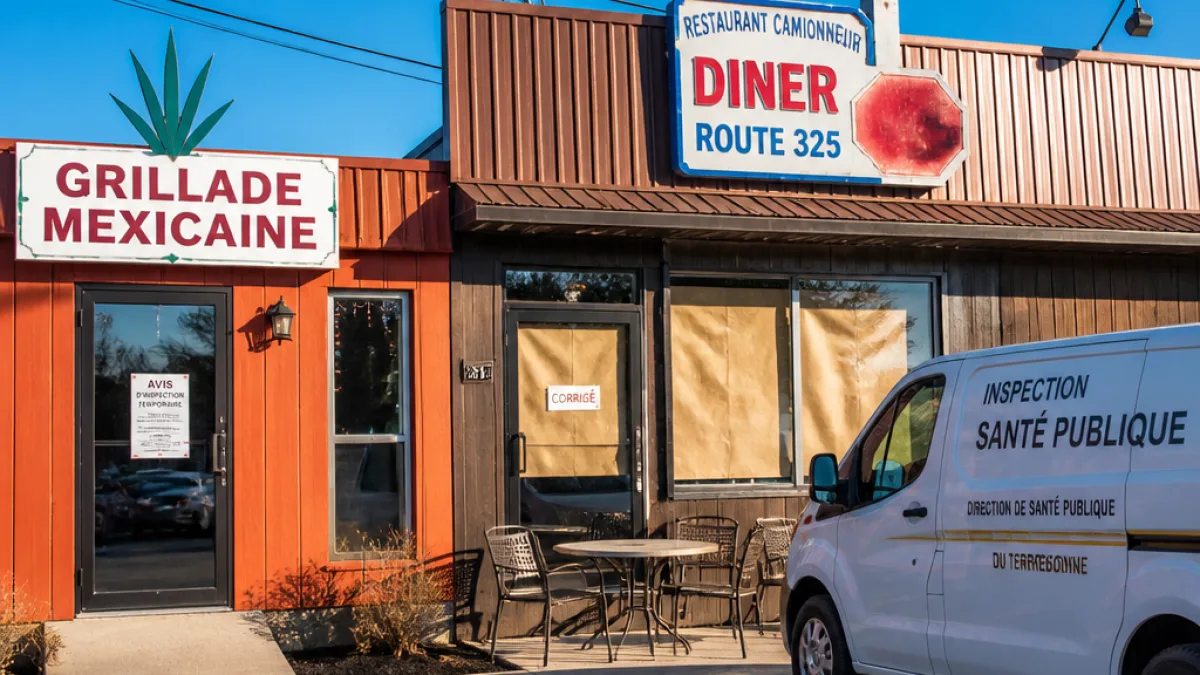
The report lists El Paso Mexican Grill of 1055 W. Tunnel Blvd., Houma (Terrebonne Parish), with two critical violations discovered during an inspection on July 14 at 10:45 a.m. The same inspection period identified Wag-A-Pack Truck Stop, 1818 LA 3185, Ste. A, Thibodaux (Lafourche Parish), with three critical violations following a July 14 inspection at 1:10 p.m.
- El Paso Mexican Grill — 2 critical violations (inspection July 14)
- Wag-A-Pack Truck Stop — 3 critical violations (inspection July 14)
What inspectors found
The Louisiana Department of Health categorizes violations as either critical or non‑critical. Critical infractions are those judged more likely to lead to food contamination or to cause illness if left uncorrected; non‑critical items are less likely to cause immediate harm but can become hazardous if ignored.
According to the inspection summaries, the problems at El Paso Mexican Grill included inadequate separation of raw animal foods from ready-to-eat items — a hazard because raw proteins can drip or otherwise contaminate foods that are served without further cooking — and the use of non-approved materials for equipment or utensils, specifically tortillas stored in a grocery bag. Both of those findings were marked as corrected on the inspection report.
Wag-A-Pack Truck Stop was cited for three critical issues; the public report available on Aug. 10 did not include the full text of the final findings in the article that reviewed the department's data, but the total number of critical violations was recorded as three for that inspection date and time.
"Inspections should be considered a 'snapshot' and might not always reflect an establishment's day-to-day operations and overall condition," the health department notes in its reporting framework.
How to interpret inspection results
Local health inspectors publish their reports to provide transparency and let consumers compare establishments. The department also maintains a searchable dashboard that includes the history of inspections for each facility, allowing residents to follow up on whether problems were corrected and to see patterns over time.
Readers should bear in mind two points when reviewing inspection records:
- An inspection reflects conditions observed at one moment; many violations can be fixed on site before the inspector leaves.
- Repeated violations of the same nature at the same location are generally more concerning than isolated, corrected issues.
Local context for Quebec readers
Because this report refers to Terrebonne Parish in Louisiana, not the city of Terrebonne in Quebec, it is an example of how place names recur across North America. Nevertheless, the mechanics of retail food inspection — categorizing critical versus non‑critical violations, posting reports for public review, and tracking correction status — are similar to the systems used by provincial and municipal public-health authorities in Quebec and across Canada.
Quebec residents who want to compare processes can consult their regional public-health websites for local inspection reports. For residents and visitors in the Houma‑Thibodaux region, the Louisiana Department of Health's dashboard remains the authoritative source for up-to-date retail food inspection histories and outcomes.
| Establishment | Parish | Inspection date | Critical violations |
|---|---|---|---|
| El Paso Mexican Grill | Terrebonne | July 14 (10:45 a.m.) | 2 (both noted as corrected) |
| Wag-A-Pack Truck Stop | Lafourche | July 14 (1:10 p.m.) | 3 |
The publication of these inspection results underscores the ongoing role of health authorities in monitoring food-service operations. For consumers, inspection dashboards provide a tool to make informed choices; for operators, they offer a record against which to measure improvements and compliance.