In the wake of record rain that inundated basements, damaged vehicles and strained municipal infrastructure, St. Catharines' mayor has issued a formal direction demanding a combined short‑ and long‑term response to the city's recent flooding.
Mayor issues Mayoral Direction to Council
Mat Siscoe has instructed city staff to report back to council with concrete recommendations. The Mayoral Direction calls for an Independent Flood Resilience Review led by a working group of engineers, infrastructure specialists, environmental professionals and community leaders, intended to investigate the causes of the flooding and craft a long‑term action plan and funding strategy.
"Establish an independent working group of engineers, infrastructure experts, environmental professionals and community leaders to investigate the recent flooding, identify causes, and develop a long‑term action plan and funding strategy to better protect St. Catharines from future extreme rainfall."
The mayor's direction also emphasises rapid, targeted interventions for the areas most affected and a review of municipal practices that relate directly to stormwater management.
What the direction asks for
- Independent Flood Resilience Review — a cross‑disciplinary working group to produce a long‑term plan and business case for provincial and federal funding;
- Priority Flood Mitigation Areas — transparent criteria to identify neighbourhoods most in need of immediate attention and to recommend short‑ and long‑term projects;
- Enhance the Flood Alleviation Program (FLAP) — a review and possible expansion of the City’s homeowner flood protection program;
- Review stormwater maintenance practices — examine inspection, maintenance and replacement of catch basins, culverts and watercourses;
- Improve public reporting and monitoring — better tools for residents to report blocked waterways and drainage issues;
- Expand public education and preparedness — increase outreach so residents know how to prepare and respond.
Immediate steps and funding focus
The mayor wants the working group to explicitly build a business case to seek funding from the federal and provincial governments. That step signals the city's expectation that substantial capital will be needed to harden infrastructure and to pay for both emergency responses and longer‑term resilience projects.
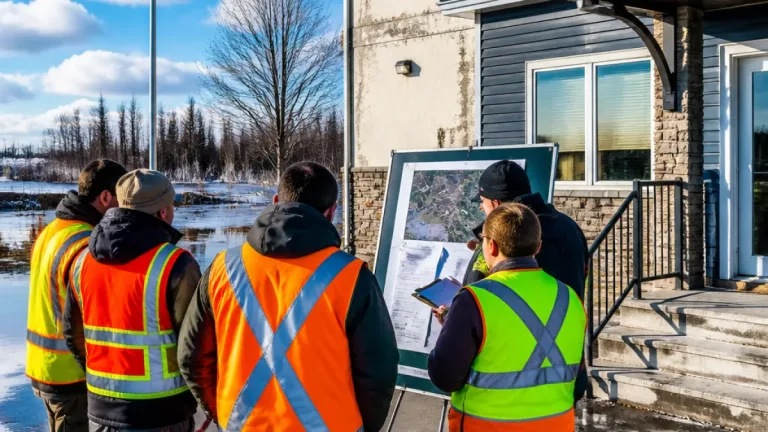
City staff will be tasked with developing criteria to identify the neighbourhoods that need urgent attention. That prioritization will shape where small, rapid interventions are made and which areas are proposed for longer, costlier capital projects.
What this means for residents
Homeowners who experienced basement flooding or property damage can expect a review of the Flood Alleviation Program (FLAP) for potential new eligible measures and improved funding options. The mayor specifically mentioned looking at lessons from Toronto’s program to inform possible changes, signalling an interest in adapting successful elements from other large Ontario municipalities.
Residents should also expect improved avenues for reporting blocked drains and washouts — a step the City says will help prioritise maintenance work more effectively.
Context and next steps
The direction comes after intense rainfall overwhelmed municipal stormwater systems and caused tens of millions of dollars in expected damages across the region. The City must now balance urgent repairs and cleaning up with a technical review that will determine capital requirements and a multi‑level funding strategy.
| Item | Purpose |
|---|---|
| Independent Review | Investigate causes and produce long‑term plan and funding case |
| Priority Areas | Identify neighbourhoods for immediate and capital actions |
| FLAP Review | Expand homeowner protections and funding options |
| Maintenance Review | Improve inspection and replacement of stormwater infrastructure |
Timing and specific recommendations will depend on the working group’s findings and the staff report to council. For many residents, the priority will be quick action to reduce near‑term risk. For city staff and council, the challenge will be to translate those immediate needs into a fiscally realistic, long‑term resilience program that can attract higher‑level government funding.
As the recovery continues, the mayor’s direction frames a path that mixes urgent neighbourhood‑level measures with an engineering and financial review aimed at preventing the worst impacts of future extreme rainfall events.