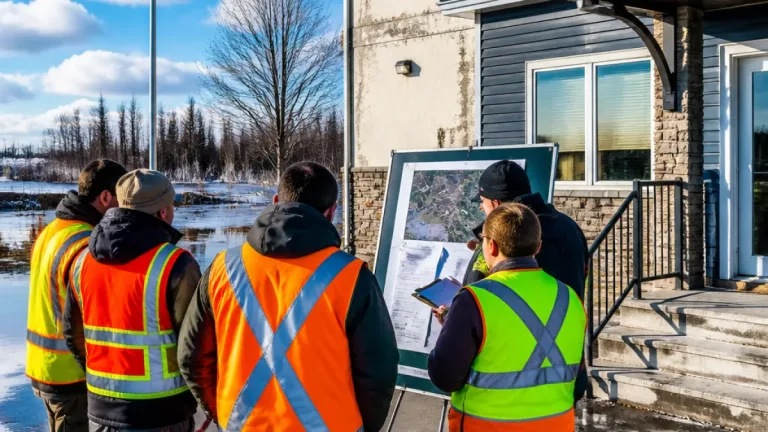

Québec solidaire unveiled a plan on Tuesday to create a dedicated cabinet post — a so‑called “superminister” for homelessness — arguing that the province’s response to people without stable housing is fragmented and requires a single political authority to coordinate action.
Party spokesperson Ruba Ghazal presented the proposal at the PAS de la rue organization’s facilities in Montreal, saying the position would ensure greater consistency across departments and programs. The pledge comes against the backdrop of provincial government data that put the number of people experiencing homelessness in Quebec at 12,000, a rise of about 20 per cent since 2022.
What Québec solidaire wants
Under the proposal, the superminister would have a mandate to align housing, health, social services and municipal supports so that funding and policy are applied more uniformly across the province. The party says that a concentrated portfolio would address gaps that emerge when multiple ministries and agencies share responsibility without a single line of accountability.
At the same press event, Québec solidaire’s spokesperson on health and social services, Guillaume Cliche‑Rivard, criticised the current government’s handling of the problem, arguing the Coalition Avenir Québec has not acted with sufficient urgency.
“Too little, too late.”
The party did not release a detailed legislative blueprint at the press conference, nor did it enumerate the specific powers the superminister would hold. However, the proposal signals an intent to centralize planning and funding decisions affecting shelters, outreach services and supportive housing initiatives.
Context and numbers
The figures cited by Québec solidaire come from provincial data showing an increase in homelessness over the past several years. The party emphasised the human and municipal costs of that trend, saying a co‑ordinated provincial response could reduce pressures on emergency rooms, shelters and local social services.
| Year | Estimated number of people experiencing homelessness | Change |
|---|---|---|
| 2022 | (base year) | |
| Current | 12,000 | +20% since 2022 |
Municipal groups and front‑line organizations have frequently called for more predictable, long‑term funding for housing and support services. Québec solidaire framed the superminister as a response to those long‑standing requests, saying it would help ensure programs are sustained beyond short funding cycles.
Reaction and implications
The proposal is likely to sharpen debate about how responsibilities are divided between Quebec’s ministries and municipalities. Centralizing authority in a single ministerial office would represent a structural change and could require legislative amendments or cabinet reshuffling if implemented.
For municipal officials and non‑profit operators, the potential upside is clearer communication and faster decisions when multiple ministries are involved. Critics may raise concerns about concentrating power in a single portfolio or about whether a superminister alone would be able to resolve deeply rooted housing shortages and affordability pressures.
- 12,000 — the provincial figure cited for people experiencing homelessness in Quebec.
- 20% — the reported increase in that population since 2022.
- Proposal would appoint a single minister to co‑ordinate housing, health and social services related to homelessness.
Québec solidaire presented the plan at a facility that serves people in precarious living situations, underscoring the party’s intent to link political commitments directly to the organisations providing front‑line care. The announcement sets the stage for broader policy discussions as provincial parties outline their approaches to housing and social supports.
Officials from the provincial government had not responded to the proposal at the time of the announcement. For people seeking immediate help with housing or shelter, local service centres and municipal hotlines remain primary points of contact; the party says a superminister would aim to make those services more reliable and better resourced.
The proposal will now become part of the province‑wide conversation about how best to reduce homelessness and build a more co‑ordinated system of supports.