Local ingredients and French technique keep Quebec City on the culinary map
Québec City’s culinary scene is increasingly being framed as a destination in its own right, one where chefs layer French technique on regional ingredients and Indigenous traditions. A recent promotional episode from the U.S. Tour Operators Association’s Global Kitchen series spotlights pastry shops, neighbourhood cafés and fried-food counters that together tell a more complex story about food in the provincial capital.
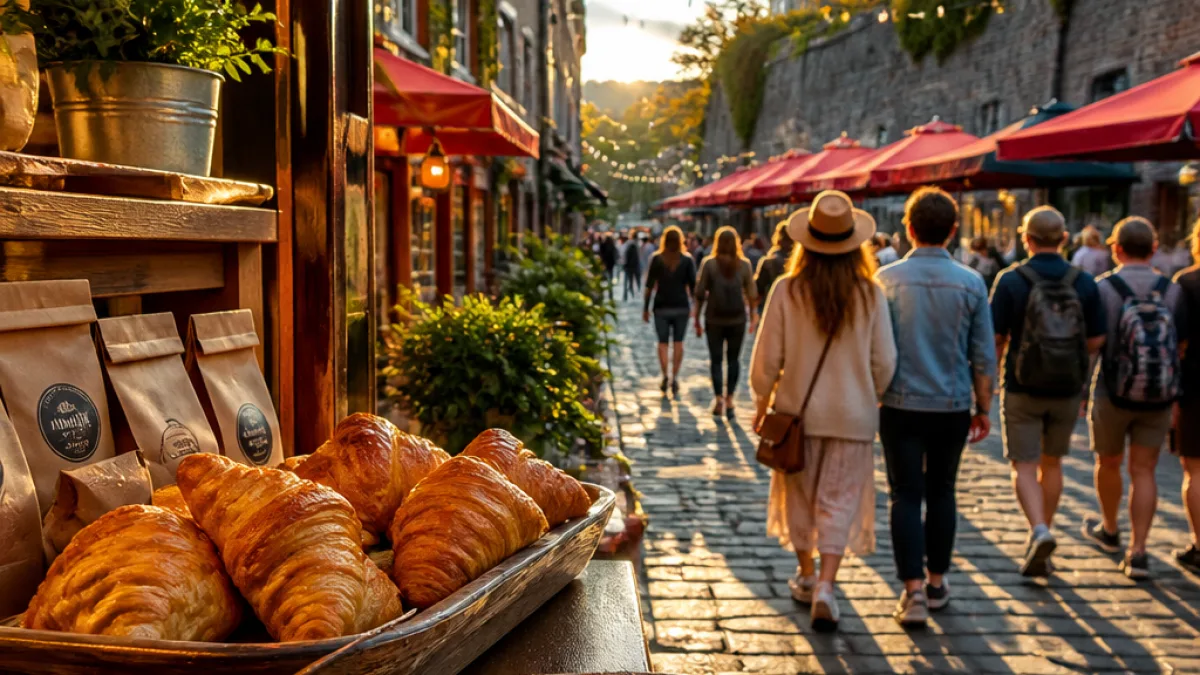
The programme highlights several local businesses by name, from Pascal le Boulanger and its croissants to Maude and a grilled wheel-cut cheese dish accompanied by apples and caramelized onions, to the distinctively styled "Gerry Burger" at La Baraque à Frites. It also points to the city’s specialty coffee culture, with microroastery deTerroir Café identified as a place where beans can be traced "from the ground to your cup."
"a taste of France"
That short description captures one part of the appeal: Quebec City is often presented as a more accessible option for Francophiles than Paris. Yet the city's food identity is not merely derivative. The Global Kitchen segment emphasises how chefs in the region draw on Indigenous knowledge and the bounty of nearby lands — ancient crops, wild game and the ever-present maple — to craft menus that are both local and contemporary.
What this means for local tourism and dining
Local restaurateurs and tourism operators have long relied on the city’s historic charm and proximity to the St. Lawrence River. The renewed promotional attention on food acts as a complement to those assets, helping to attract visitors whose primary motivation is culinary discovery. By showcasing establishments that range from artisanal bakeries to comfort-food purveyors, promotional pieces like the Global Kitchen episode play to a broad audience: fine-dining seekers, casual eaters and international travellers looking for a regional spin on familiar dishes.
For residents, the focus on locally sourced products reinforces trends already visible in the province: chefs sourcing ingredients within a day’s drive; an emphasis on artisan producers; and a growing interest in sustainability as a selling point for restaurants. The city’s inclusion in conversations about Québec’s culinary profile — alongside the province’s first Michelin Guide recognition — underlines the sector’s ongoing professionalisation and the economic importance of food tourism.
- Diversity of offerings: from croissants and microroastery coffee to poutine, fried chicken and maple treats.
- Local sourcing: chefs highlighted for using products that can be sourced within a day’s drive of the city.
- Cultural layering: French culinary traditions combined with Indigenous ingredients and local produce.
Examples on the map
The Global Kitchen piece singles out particular culinary experiences that visitors can seek out across the city and surrounding region. Instead of framing the food scene narrowly, it presents a range of entry points that reflect different price points and moods — from artisanal pastries to street-food classics and contemporary restaurant plates.
| Dish / Experience | Local example named |
|---|---|
| Artisanal croissants | Pascal le Boulanger |
| Grilled wheel-cut cheese with apples | Maude |
| Signature burger | La Baraque à Frites ("Gerry Burger") |
| Traceable specialty coffee | deTerroir Café |
For Quebec City residents, the profile boost can translate into higher visitor interest and additional scrutiny on how the industry balances growth with the conservation of local foodways. As the spotlight turns to the region, operators may face new expectations around seasonality, traceability and welcoming an international clientele while preserving neighbourhood character.
Promotion by industry groups and travel organisations often catalyses short-term visitor spikes, but the long-term effect depends on how restaurants, producers and municipal tourism planners coordinate. Emphasising local supply chains and Indigenous collaboration can strengthen claims that the city offers not just "a taste of France," but a culinary identity that is uniquely Québécois — rooted in the land, the seasons and the province’s cultural history.
That combination — tradition reframed through local ingredients and contemporary technique — is what the Global Kitchen episode presents as Québec City’s distinct culinary promise, one that residents and tourism stakeholders will be watching carefully as travel continues to rebound.