Health officials confirm WNV-positive mosquito batches in Pickering
The Durham Region Health Department has confirmed that batches of adult mosquitoes collected in Pickering have tested positive for West Nile virus (WNV), officials said in a regional notice. The most recent results, which also included positive mosquito batches collected in Whitby, bring the seasonal total to 21 mosquito batches testing positive for WNV across Durham Region.
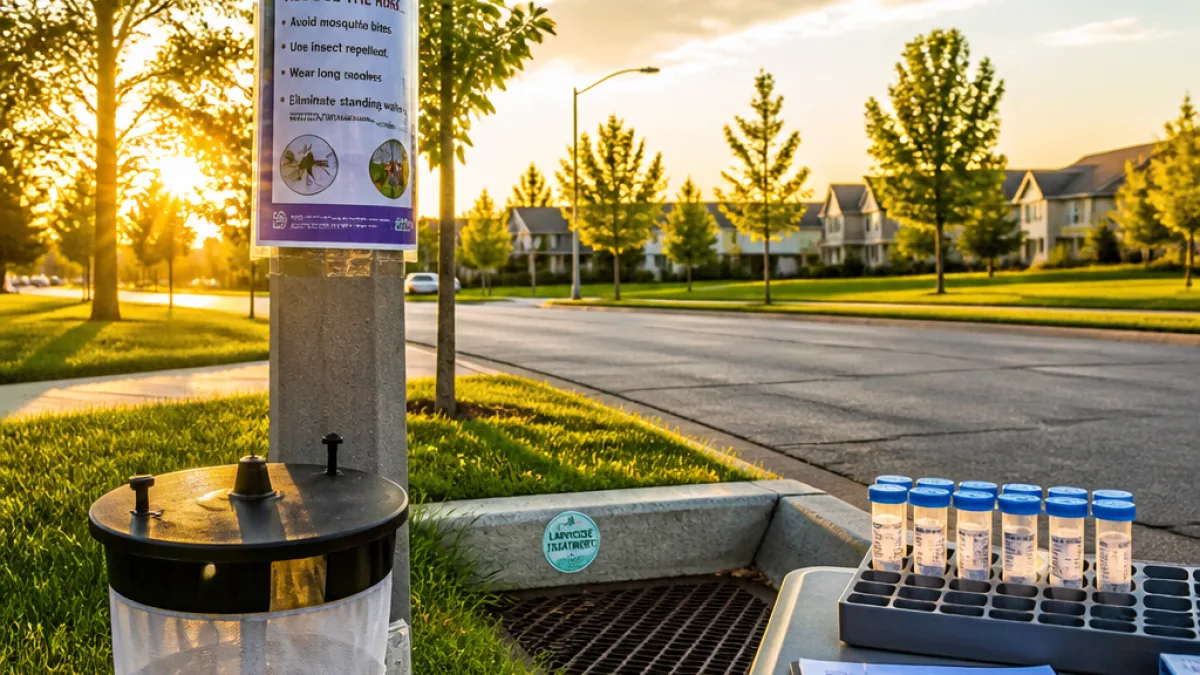
The Health Department monitors mosquito populations across the region every week from June through September, setting traps and submitting collected specimens for laboratory testing. Previous positive findings this season were reported in Ajax, Clarington and Oshawa; the latest detections indicate the virus is present in multiple parts of the region.
"WNV is a mosquito-borne disease that is spread to humans via the bite of an infected mosquito."
Most people who are infected experience a mild illness, the Health Department said, with symptoms such as fever, headache, muscle aches, nausea, vomiting and a rash on the chest, stomach or back. More serious neurological symptoms — including stiff neck, confusion, tremors, numbness and sensitivity to light — can occur but are less common. Symptoms typically develop between two and 15 days after an infectious mosquito bite.
Public-health officials stressed that the risk of becoming infected remains low for the general population, but they advised residents to take straightforward precautions to minimise the chance of being bitten by mosquitoes and to reduce mosquito breeding opportunities on private property.
- Wear shoes, socks and light-coloured clothing — long sleeves and full-length pants — when outdoors, especially around dawn and dusk when mosquitoes are most active.
- Use an insect repellent containing DEET or icaridin (also known as picardin) on exposed skin, following Health Canada guidance on safe use.
- Remove standing water from your property where mosquitoes can breed, including plant saucers, bird baths, gutters and other containers.
- Keep window and door screens in good repair to prevent mosquitoes entering indoor spaces.
Durham Region also carries out vector-control measures, including treating catch basins and other stagnant-water sites with a larvicide to reduce breeding. The weekly trapping and testing program is intended to provide early warning about virus activity and to guide municipal control efforts and public messaging.
| Municipality | Positive mosquito batches detected (season) |
|---|---|
| Pickering | Yes |
| Whitby | Yes |
| Ajax | Yes |
| Clarington | Yes |
| Oshawa | Yes |
| Durham Region total | 21 positive batches |
For Pickering residents, the detection underlines the importance of basic, proven measures: reducing backyard breeding sites and protecting skin when outdoors. These steps are particularly important for people who are elderly or have weakened immune systems, who can be at higher risk for severe illness from WNV.
The Health Department did not say in its notice how many individual traps in Pickering returned positive results, nor did it provide an age breakdown of human cases. The weekly trapping program continues through September; residents are advised to follow updates from Durham Region for any change in local risk or additional public-health actions.
Local parks, sports fields and waterfront areas are popular gathering places through late summer and into early fall. While officials say the overall probability of infection is low, they recommend taking precautions on outings and before evening activities so that the city’s outdoor season can continue with minimal risk.