QUEBEC CITY — Opposition politicians in both Quebec and Newfoundland and Labrador are pressing for full details after a Montreal newspaper reported that the two provincial governments have struck an energy agreement to share power from the Churchill River in Labrador.
The report by La Presse late Wednesday said negotiators had reached terms. By Thursday morning, however, officials in both provincial capitals provided only limited information, saying negotiators had made recent progress but stopping short of confirming any signed deal.
Pressure mounts amid election timing
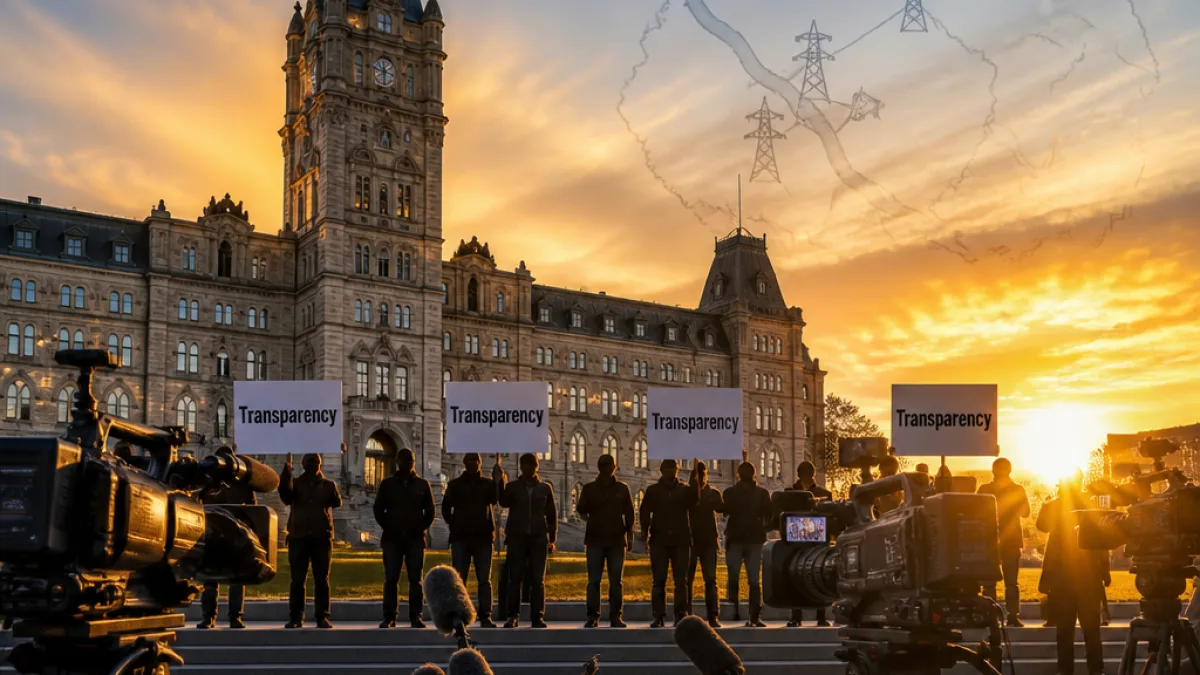
In Quebec, the lack of immediate disclosure set off a wave of criticism from opposition parties, who said voters are entitled to know whether provincial interests are protected before any agreement is finalised. Quebec is on the cusp of an election campaign, and the Parti Québécois has been polling ahead of the governing party.
"(Fréchette) clearly wants to sign a cut-rate agreement before the clock strikes midnight, based on interests she doesn't feel the need to disclose to the public, probably for electoral reasons,"
The comment was posted on the social media platform X by Parti Québécois leader Paul St-Pierre Plamondon and reflects a wider demand for transparency from opposition benches.
Quebec Premier Christine Fréchette told reporters in Montreal that discussions had "accelerated" and that progress had been made, but provided no further detail on the substance of the negotiations or any texts of an agreement.
Newfoundland and Labrador seeks same answers
In St. John's, opposition politicians in Newfoundland and Labrador expressed frustration at learning about developments via a Quebec news outlet rather than from their own government. John Hogan, leader of the provincial Liberals, said Newfoundlanders and Labradorians deserve to understand what has been agreed to and whether the premier will honour previous promises.
A spokesperson for Progressive Conservative Premier Tony Wakeham said in a written statement Wednesday night that no final agreements had been signed, but also said negotiators had recently made significant progress in talks with Quebec and the federal government. The statement did not disclose terms or timing.
What is at stake
The negotiations centre on harnessing hydroelectric potential from the Churchill River system in Labrador — a resource that has been the subject of long-standing interjurisdictional discussions. For Quebec, new energy imports or export arrangements could affect domestic supply planning, pricing and future hydro projects. For Newfoundland and Labrador, partnering with a large neighbouring market could determine how its hydropower is developed and sold.
Key questions that remain unanswered include:
- Whether the agreement includes long-term power purchases or one-off transfers;
- How revenues, transmission costs and environmental responsibilities would be shared;
- What role, if any, the federal government would play in financing or regulating the arrangement.
Timeline and current status
| Item | Status (as reported) |
|---|---|
| La Presse report of an agreement | Published; details not released by governments |
| Quebec official comment | Premier Fréchette said discussions "accelerated"; no text disclosed |
| Newfoundland and Labrador comment | Spokesperson: no final signatures, but significant progress |
| Opposition reaction | Demand for transparency in both provinces |
Both premiers and their negotiation teams face pressure to publish the content of any deal. Opposition leaders argue that, given the potential long-term implications for electricity rates, local jobs and provincial sovereignty over natural resources, voters should be given time to scrutinise terms.
Analysts say energy agreements between provinces can include complex arrangements — from long-term bulk-power purchase contracts to the financing and construction of transmission lines — and typically require regulatory approvals and federal involvement when cross-border infrastructure or funding is required.
What to watch next
Observers will be watching for three immediate developments: an official release of the negotiated text; details of any federal role or funding; and timelines for implementation. With a provincial election approaching in Quebec, the political fallout could be swift if either side concludes the deal lacks clear protections for consumers or regional interests.
For residents seeking clarity, both provincial offices maintain public communications channels and said they would update stakeholders as talks progress. Until then, opposition parties in both provinces are unlikely to let the matter rest.
— Reporting by Geneviève Tremblay, WE NEWS