You Can See Everything, the new documentary by Nathan Fielder and co‑director Lance Oppenheim, has opened in cinemas to extraordinary critical acclaim, earning near‑perfect aggregate scores and fresh debate about where it sits in the history of documentary film.
Critical reception and the film’s profile
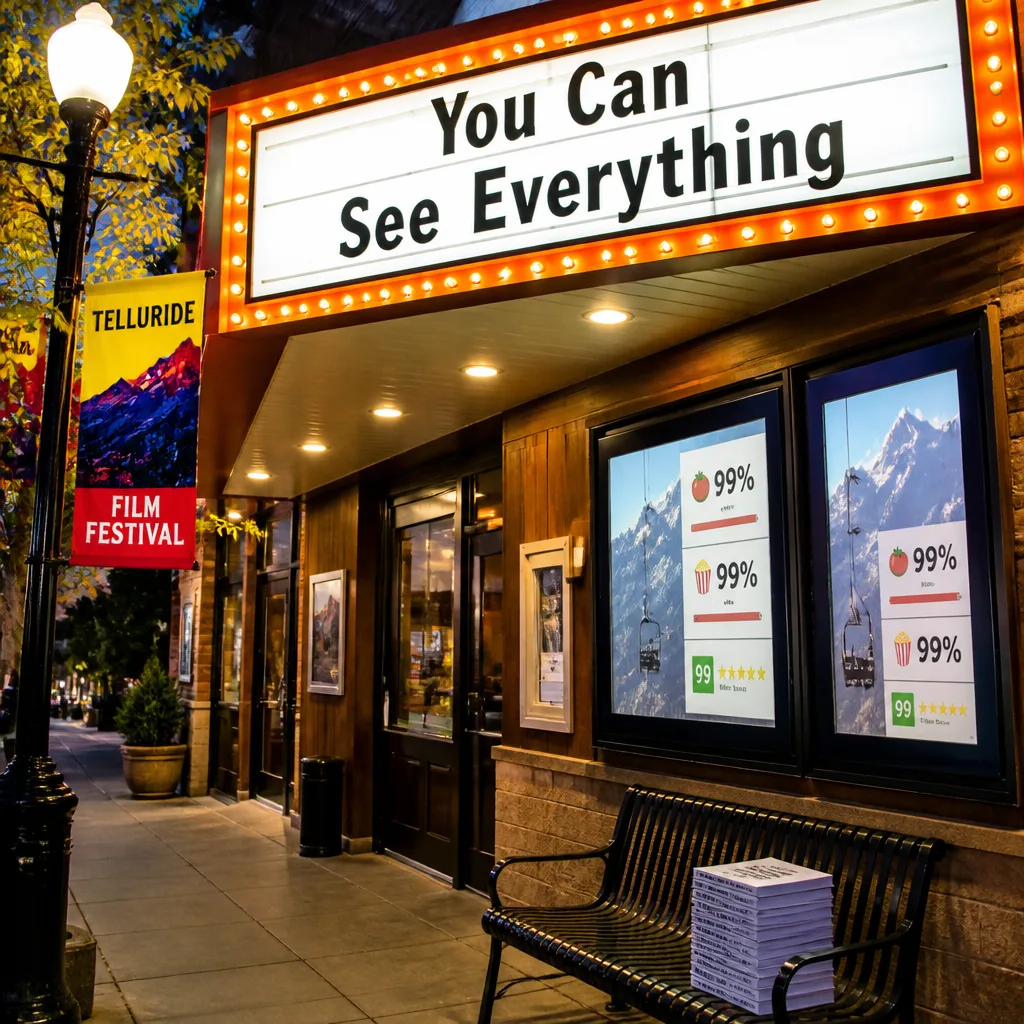
Reviewers have hailed the film since it was revealed at a surprise screening at the Telluride Film Festival. Aggregators show both a 99 per cent critics’ score on Rotten Tomatoes and a 99 on Metacritic, the latter based on dozens of positive reviews. The film runs 174 minutes, carries an R rating and follows Theranos founder Elizabeth Holmes in the weeks before her 2023 incarceration and in the years that followed her conviction for defrauding investors.
Fielder, widely known for the television series Nathan for You and The Rehearsal, and Oppenheim, director of the recent film Primetime, largely kept the project under wraps while filming over nearly four years. Its secrecy and the unusual access it appears to secure have been central to critics’ fascination.
What reviewers are saying
Some critics have suggested the film belongs in conversations about the documentary form’s greatest achievements. One review argued it should be measured alongside the medium’s most notable works.
"It should be considered alongside the documentary form's 'all‑time greats.'"
Others have praised the pairing of Fielder — who built a reputation on awkward encounters and intricate social experiments — with Holmes as a “perfect match,” noting the film offers audience experiences they likely have not previously encountered. Yet reviews are not unanimous in every detail; several critics flagged areas where they felt the film fell short even while lauding its overall ambition.
- Runtime: 174 minutes
- In theatres: Now
- Age rating: R
- Rotten Tomatoes: 99%
- Metacritic: 99
| Metric | Value |
|---|---|
| Rotten Tomatoes | 99% |
| Metacritic | 99 |
| Runtime | 174 minutes |
Filmmaking approach and secrecy
According to press coverage, the documentary was filmed covertly over almost four years and was first publicly revealed via its surprise Telluride screening. Oppenheim told People that he avoided previewing specifics of the film to preserve viewers’ unprejudiced responses:
"I don't want to say anything that can skew people's perception of it because I feel like it's one of those movies that the more clean slate you are, the better."
The production’s low profile while shooting and the choice to unveil the film late have only intensified interest. For Fielder, who has made a career of orchestrated, uncomfortable situations on television, this marks a striking turn into feature documentary territory with substantial access to one of the decade’s most notorious figures.
Context and possible consequences
Beyond festival buzz and critics’ lists, the film’s reception raises immediate questions about awards season and the shape of contemporary documentary storytelling. Some commentators have suggested the film could challenge norms about how documentaries engage with controversial subjects and whether such a film could be seriously considered in top film awards categories traditionally dominated by narrative features.
For viewers, You Can See Everything is positioned as an event: a lengthy, immersive portrait of a well‑known fallen tech founder filtered through the sensibilities of a filmmaker known for staged social experiments and a co‑director with a growing reputation in indie cinema. The combination, critics say, both unsettles and provokes fresh conversation about ethics, performance and the documentary camera.
The film is in theatres now; audiences and awards voters alike will soon have to decide whether the critics’ raves herald a new documentary classic or a polarising work that reconfigures expectations for nonfiction cinema.