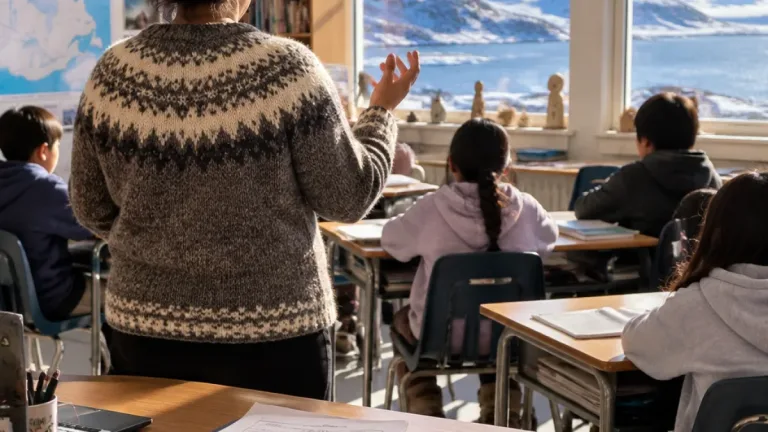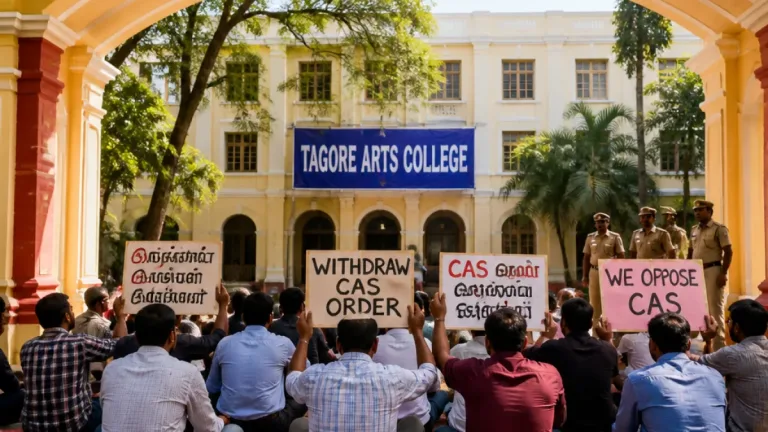
Approximately 80,000 Palestinian students were unable to attend in-person classes during the fourth week of October as movement restrictions disrupted schools in al-Khalil and surrounding areas, according to a report from the area’s education directorate.
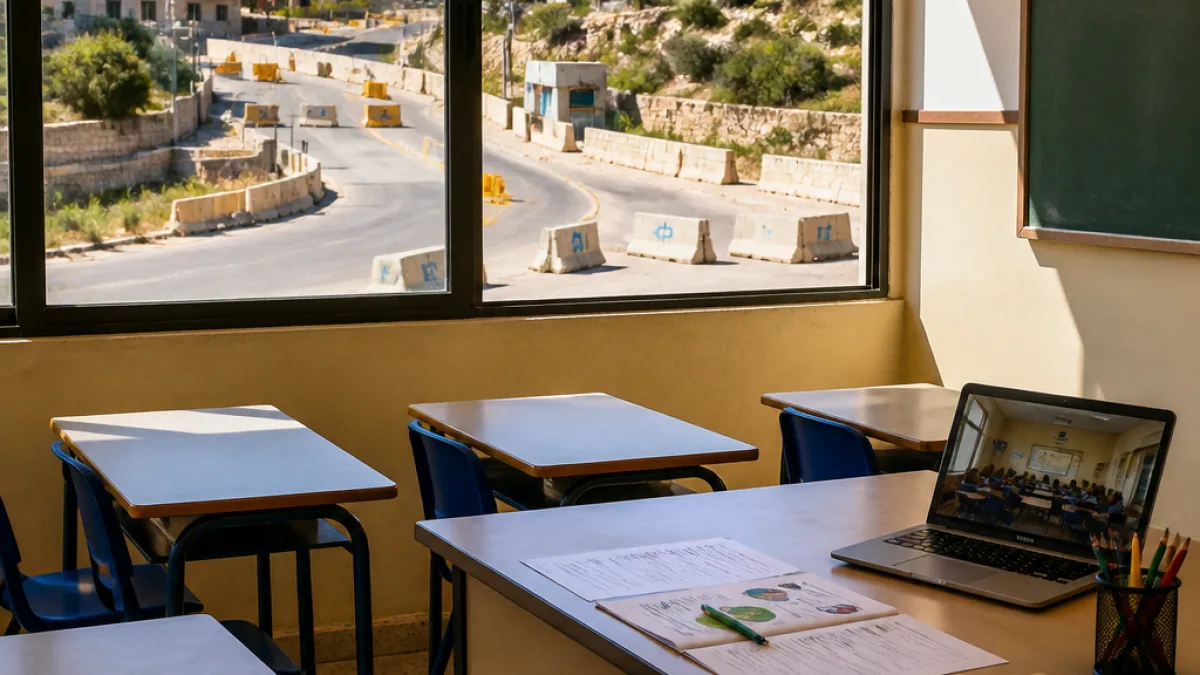
The report said closures of roads and neighbourhood entrances prevented students and teachers from reaching schools in al-Khalil, al-Jalda and Ein Baha. It described a wider disruption caused by military raids, home searches and restrictions on movement, leaving education officials to replace classroom teaching with remote lessons and take-home assignments.
Schools shift away from classroom learning
According to the directorate, 66 schools were directly affected by the restrictions. The education system in al-Khalil was moved to remote learning and home-based work from Sunday through Thursday because roads were closed and travel was severely limited.
The change has affected more than the delivery of lessons. The directorate said students lost access to regular contact with teachers, face-to-face interaction with classmates and the stability of a daily school routine. Those conditions can be particularly difficult for children whose families are already dealing with displacement, uncertainty or limited mobility, although the report did not provide further details about individual students or households.
| Reported impact | Number |
|---|---|
| Students directly affected at 66 schools | 2,872 |
| Students trapped in restricted areas | 2,198 |
| Displaced students unable to reach school | 674 |
| Teachers affected | 119 |
| Administrative and support staff affected | 6 |
Students, staff and families face access barriers
The directorate identified 2,872 students facing direct disruption at the affected schools. Of those, 2,198 were described as trapped in areas under the restrictions, while 674 displaced students could not reach their schools. The report also counted 119 affected teachers, including 98 who were unable to leave restricted areas and 21 who had been displaced from their homes.
Six members of administrative and support staff were also affected. They included two school counsellors, two vice-principals and two custodians. Their absence can add pressure to schools already trying to organize remote instruction, distribute assignments and maintain contact with students and families, though the report did not quantify the operational impact.
Concerns over prolonged interruption
The education directorate said road closures were enforced through earthen barriers and iron gates, and warned that continuing restrictions could deepen both the education and humanitarian crisis. It expressed concern that an extended break from regular schooling could harm academic performance and students’ psychological and social well-being.
- Classroom instruction was replaced with remote learning and take-home assignments.
- Students and teachers faced barriers to reaching schools across al-Khalil and nearby areas.
- Education officials warned that prolonged disruption could affect learning outcomes and well-being.
The report does not indicate when in-person classes might resume or how schools will support students who remain unable to travel. For families, the move to remote learning means education depends on continued access to communication, the ability to collect or complete assignments and a stable home environment—conditions that may be difficult to maintain while movement remains restricted. The account underscores how quickly access to school can be interrupted when roads are closed and communities are subject to displacement and military restrictions.