
Teachers in France described the government’s latest education package as inadequate on Monday, saying announced steps will not resolve weeks of student unrest driven by staffing, resource and higher-education grievances.
Government outlines targeted measures and funding
The executive presented a set of measures that includes limits on class sizes in some courses, large loans to renovate school buildings and a revision of how students are admitted to universities. Budget officials estimate the measures will cost approximately €5 billion, to be funded in part by reductions elsewhere in public spending.
| Measure | Description |
|---|---|
| Class-size limits | Caps applied to certain classes, set at up to 28 students |
| Building investment | Multibillion-euro loans for renovations |
| University admissions | System overhaul aimed at changing entry processes |
Unions and teachers: response not enough
Union leaders argued the package addresses only a portion of systemic problems in schools and universities. Sophie Vénétitay, secretary-general of the SNES-FSU teachers’ union, said that class-size caps should reach more classrooms and that hiring additional staff is essential to improve learning conditions. She warned that the government announcement marks just the start of a response and “will not be able to quell the anger.”
- Teachers say more staff hires are needed to make class-size limits effective.
- Unions want broader application of student caps beyond the selected classes.
- Student leaders accepted the measures as an initial concession but plan further actions.
Protests began in high schools and spread
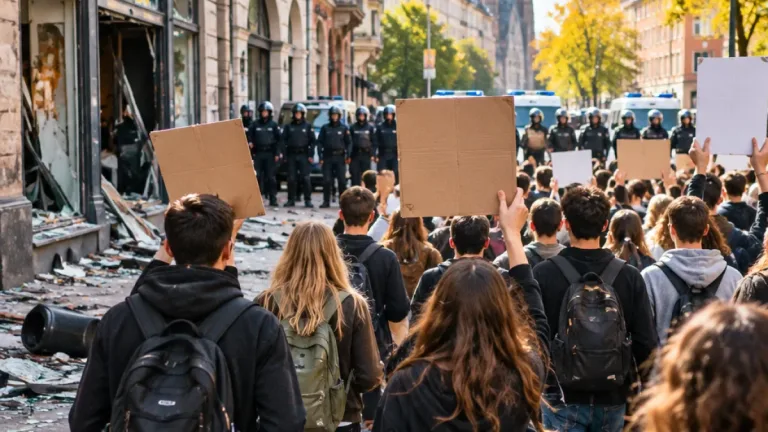
The unrest began with high school students blocking school entrances to protest shortages of staff and resources. The movement expanded as other unions and “yellow vest” activists joined, linking education grievances with wider concerns about cuts to public services and the rising cost of living.
Leaders of the student movement described the government concessions as “a first positive step,” but said they would continue demonstrations scheduled for Saturday and for Nov. 5. Interior Minister Laurent Nuñez warned that a significant security presence would accompany the upcoming Saturday action, two weeks after large nationwide protests that were marred by violence and looting and prompted curfews and bans on mass gatherings.
Fiscal and market pressures shape response
Officials framed the package within fiscal constraints: Budget Minister David Amiel said the new measures would be paid for through savings in other areas. The government is operating under pressure from bond markets seeking a reduction in public debt levels, a factor that appears to have shaped the scale and scope of the education response.
The debate now centres on whether selective classroom limits and infrastructure loans will satisfy demands for better learning environments and more equitable access to higher education. Teachers’ unions argue that without broader hiring and more comprehensive reforms, the measures risk being seen as insufficient by students and staff.
As demonstrations continue, the situation presents a test for policymakers attempting to balance urgent demands from the education sector with fiscal and market imperatives. How the government proceeds — whether it extends class-size restrictions, commits to additional staffing or adjusts funding priorities — will determine whether unrest subsides or escalates further in the coming weeks.