MONTREAL — Plans to overhaul the Tennis Canada site at Jarry Park have renewed a debate over the future of one of the city’s most-used green spaces, pitting the sporting body’s vision for a world-class facility against neighbourhood concerns about encroachment and public money.
Redevelopment proposal and public funding
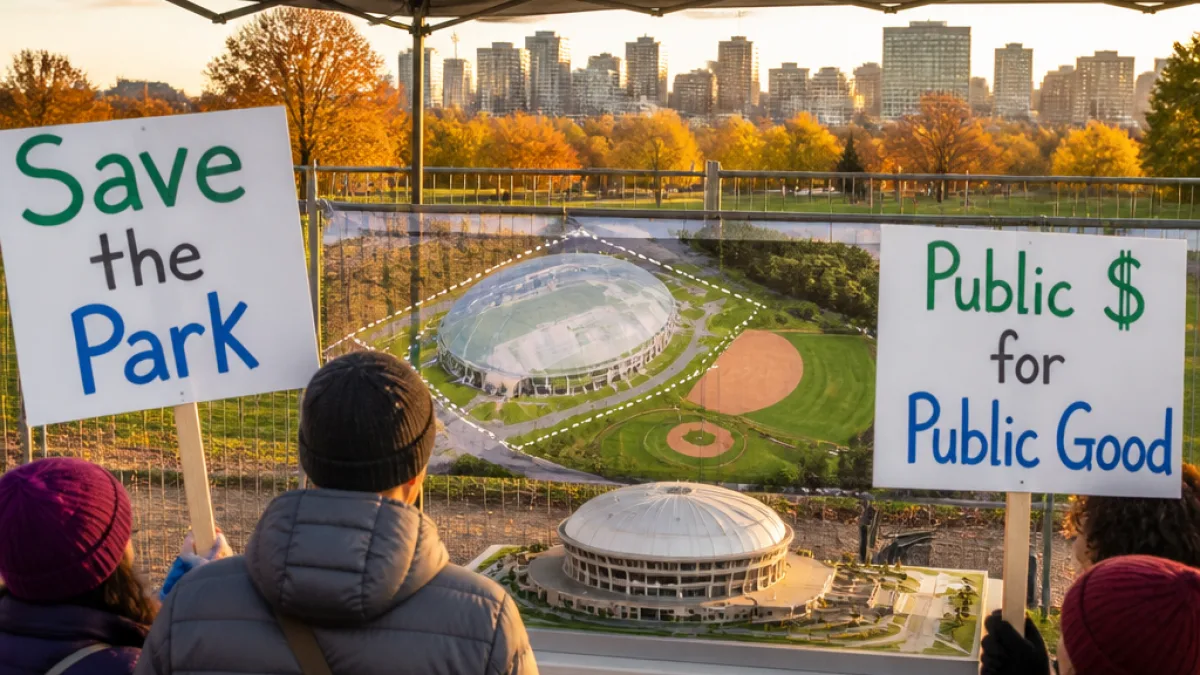
Tennis Canada this year unveiled the results of a yearlong feasibility study that concluded the best long-term option for its Montreal tournament is a 15,000-seat stadium with a retractable roof, with a target to move ahead by 2032. The organisation told reporters it considers the existing centre court — last substantially renovated in 1996 — due for a major upgrade to maintain the event’s international standing.
The non-profit and its private partners have indicated they would cover about 10 per cent of the estimated $400-million cost, according to provincial media reports, and are preparing to rely on all three levels of government for the remainder. That funding model and the plan’s impact on parkland have drawn swift pushback from residents.
Community opposition and promises
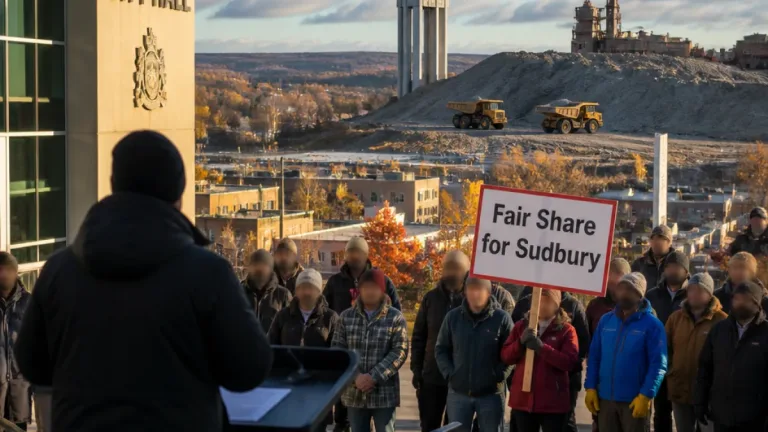
Hundreds of residents recently gathered to protest the proposal, holding signs decrying additional development in the park. Local groups have pointed out that Tennis Canada’s expansion would increase its footprint in Jarry Park from 22 to 27 per cent, targeting the site of an existing baseball diamond.
Tennis Canada has pledged to replace the baseball diamond elsewhere in the park and said the project could bring additional investment to green spaces and amenities. The organisation’s representatives urged that debate remain constructive while facts and studies are reviewed.
“I think we can continue to share the space successfully… there is also an opportunity to invest more in Jarry Park, to improve the green spaces, for example,”
Those comments reflect an attempt to balance a high-profile sporting venue with community access. But opponents maintain that enlarging institutional presence in a public park sets a concerning precedent, and question whether promised community benefits would match the scale of the development.
Stakeholders and next steps
Beyond Tennis Canada and neighbourhood groups, elected officials and heritage and parks advocates are likely to be drawn into the conversation. The tournament attracts significant attention — and attendance — yet city planners must weigh competing public priorities when parkland is at stake.
- Proposed stadium: 15,000 seats, retractable roof
- Estimated cost: $400 million (Tennis Canada/private partners ~10%)
- Current footprint: Tennis Canada occupies ~22% of Jarry Park; proposed increase to ~27%
| Item | Figure |
|---|---|
| Stadium capacity | 15,000 |
| Estimated cost | $400 million |
| Tennis Canada park share | 22% → 27% |
Representatives from the Association of Tennis Professionals, including new CEO Eno Polo, have said the centre court could benefit from upgrades to remain competitive with other major venues. Polo stopped short of saying the Montreal tournament was under immediate threat but noted fans and players now expect more comprehensive experiences than older facilities provide.
For Montrealers, the issue raises several concrete questions: how much public money should be used for a major sports facility on municipal parkland; whether promised replacements and improvements would adequately compensate for lost recreational space; and how consultations with neighbours and park users will be structured.
City council, provincial ministries and community organisations will be watching closely as Tennis Canada seeks approvals and potential public investment. The coming months are likely to see municipal hearings, study reviews and continued public demonstrations as stakeholders press their views on the future of Jarry Park.
The debate highlights the broader tension in many Canadian cities between hosting global-class events and preserving local public spaces — and underlines the importance of clear, transparent consultations when a park’s footprint is at issue.