Debate detour puts local landmark at centre of mayoral race
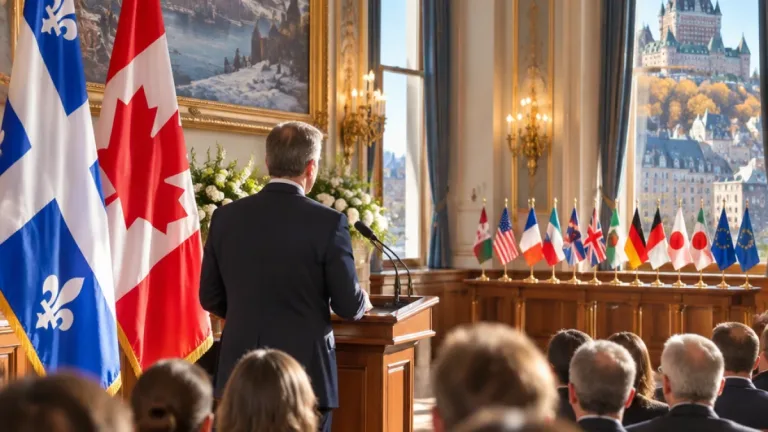
During a televised mayoral debate on Oct. 21, Mississauga’s leading candidates were asked a neighbourhood-friendly, hypothetical question: what would you do if you found yourself stuck inside Square One overnight? The segment, carried by the CBC, gave the contest a lighter moment while folding a distinctly Mississauga setting into the campaign narrative.
The exchange came as part of a short question-and-answer round in which the city’s top four contenders took part. Rather than focusing purely on transit, housing or municipal budgets, the producers asked candidates to reveal how they might spend an unexpected night in the heart of the city’s downtown retail complex — a place many residents know as both a shopping hub and community gathering spot.
- Event: Mayoral debate Q&A segment
- Date: Oct. 21, 2026
- Coverage: CBC
- Participants: Top four mayoral candidates (as identified in coverage)
Square One Shopping Centre is more than a mall for many Mississauga residents: it functions as a downtown core for the city’s growing urban neighbourhoods, a transit node and a landmark in local identity. That made it an apt setting for a question designed to test personality and local familiarity — attributes that can matter as much as policy detail for some voters.
“In a fun Q&A round during a mayoral debate, Mississauga's top four candidates shared what they would do if they were hypothetically stuck inside Square One,”
The lighter exchange sits alongside a broader campaign environment in which candidates are being pressed on substantive municipal issues. While the debate format allowed for levity, the presence of such questions also highlights how local media are aiming to make civic contests accessible and relatable to a diverse electorate.
Why the moment matters to Mississauga voters
Small, humanising moments in debates — like a hypothetical about being stranded at a familiar spot — help voters assess temperament, sense of humour and connection to place. For a city experiencing rapid growth and transformation, the way a mayoral candidate talks about central spaces such as Square One can signal how they might approach downtown development, public safety, transit integration and community programming.
Debate producers frequently balance policy-heavy segments with quick personal questions to give viewers a rounded impression of candidates. In a municipality where local issues often intersect with regional and provincial concerns, these moments can influence perceptions even if they do not change policy commitments directly.
| Item | Detail |
|---|---|
| Host outlet | CBC |
| Focus | Mayoral candidates' quick-response Q&A, including a Square One hypothetical |
| Participants | Top four candidates (as noted in coverage) |
Ultimately, the segment illustrated how local landmarks figure into civic life and campaign storytelling. For Mississauga voters weighing leadership choices, such vignettes form part of the broader mosaic that includes policy platforms, track records and debate performances. As the campaign progresses, moments like this may be recalled for their candour or dismissed as light diversion — but they underscore that elections are fought not only on budgets and bylaws, but also on the image and character of the people asking to govern a city in flux.
Coverage of the debate and related candidate interviews continues to be important for residents seeking a clear understanding of who would steer Mississauga through its next phase of growth. Local media, by blending substantive scrutiny with accessible moments, aim to keep that conversation anchored in the everyday places that matter to city life.