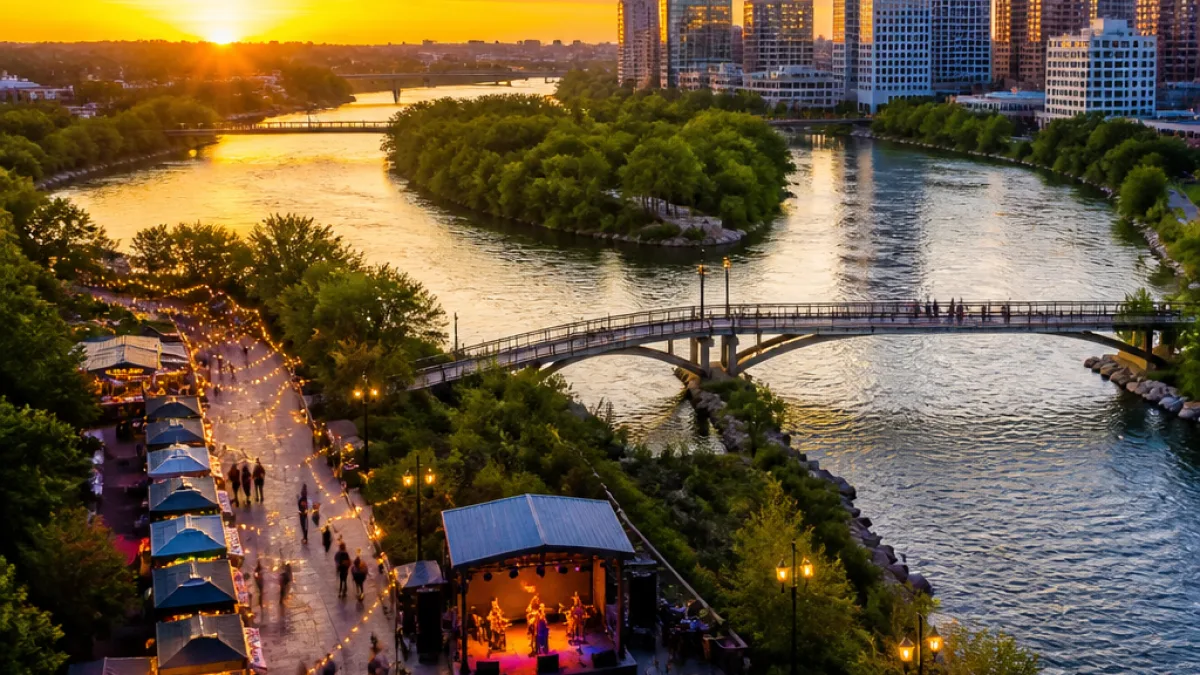
London city staff have begun work to turn the area around the Forks of the Thames into a formal River District, signalling an official effort to harness a community-driven movement that for years has shaped how local businesses and residents describe the downtown riverfront.
From grassroots name to municipal initiative
The River District concept has been used informally by nearby business owners and community groups as a shorthand for the stretch of river that intersects the downtown core. City of London staff are now preparing to embed the idea in the Downtown Plan through programming and place-making, aiming to make the riverfront a daily destination for residents and visitors.
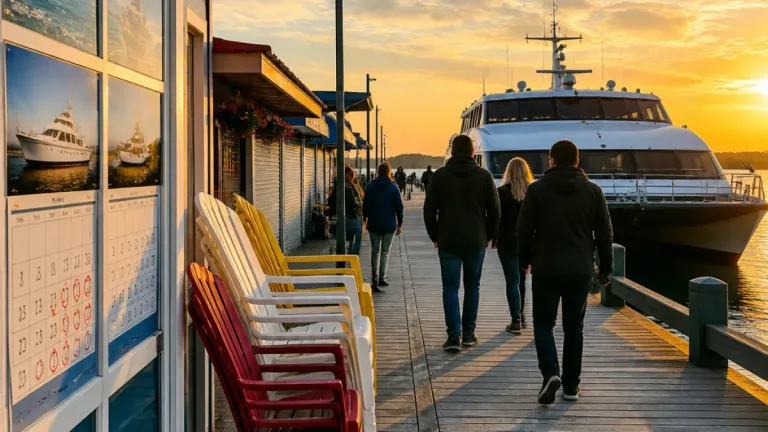
Core area programs manager Ryan Craven said the city's aim is to activate the space with events and amenities that encourage people to linger. "It's really focusing on turning it into a destination where people want to come on a daily basis with a variety of different programming, music, food vendors and that kind of thing," Craven told CBC.
"It's really focusing on turning it into a destination where people want to come on a daily basis with a variety of different programming, music, food vendors and that kind of thing."
Plan backed by Canadian Urban Institute recommendations
The city's move follows a report from the Canadian Urban Institute that city council endorsed in June. That report set out a roadmap for downtown revitalization and included a suite of proposals intended to strengthen the core; among them were a total of 58 recommended actions and four headline strategic initiatives described as "big moves." The city is starting implementation steps that would see programming, infrastructure adjustments and activation strategies focussed on the riverfront.
| Item | Count |
|---|---|
| Recommended actions | 58 |
| Big moves | 4 |
What activation could look like
City staff describe the River District as a mixed-use destination emphasising daily activity rather than a special-event-only approach. Initial priorities highlighted by staff include:
- Regular programming such as music and food vendors to encourage repeat visits;
- Improved pedestrian connections and wayfinding between the Forks and the downtown core;
- Collaboration with local businesses and community groups to stage neighbourhood-driven activations.
Those elements mirror the community-led efforts that have already made parts of the riverfront a focal point for informal gatherings, pop-ups and small festivals. By formalizing the River District label through the Downtown Plan, the city aims to provide a policy and budgetary framework that can support longer-term investment and coordinated marketing.
Local consequences and questions ahead
For downtown business owners and residents, formal recognition of a River District could bring both opportunities and challenges. Activation and programming could increase foot traffic, supporting retailers and hospitality operators who depend on regular downtown visits. At the same time, intensified activity may require new public infrastructure, maintenance resources, and clearer rules around vendors and events to ensure neighbourhood compatibility.
Implementing the report's 58 actions and the four strategic moves will require phased decision-making and funding choices by council. The city's next steps are likely to include detailed design work, pilot programs and consultations with the community and local businesses to test approaches before committing to larger capital projects.
For Londoners, the River District represents a chance to knit the river more tightly into daily downtown life — to make the Forks of the Thames not just a boundary, but a centre. The outcome will depend on whether municipal planning can translate community energy into practical, sustainable changes that balance economic activation with the needs of residents who live near the river.
City staff and urban planners will now be tasked with moving from broad recommendations to concrete actions, while ensuring that local voices continue to shape what the River District becomes.