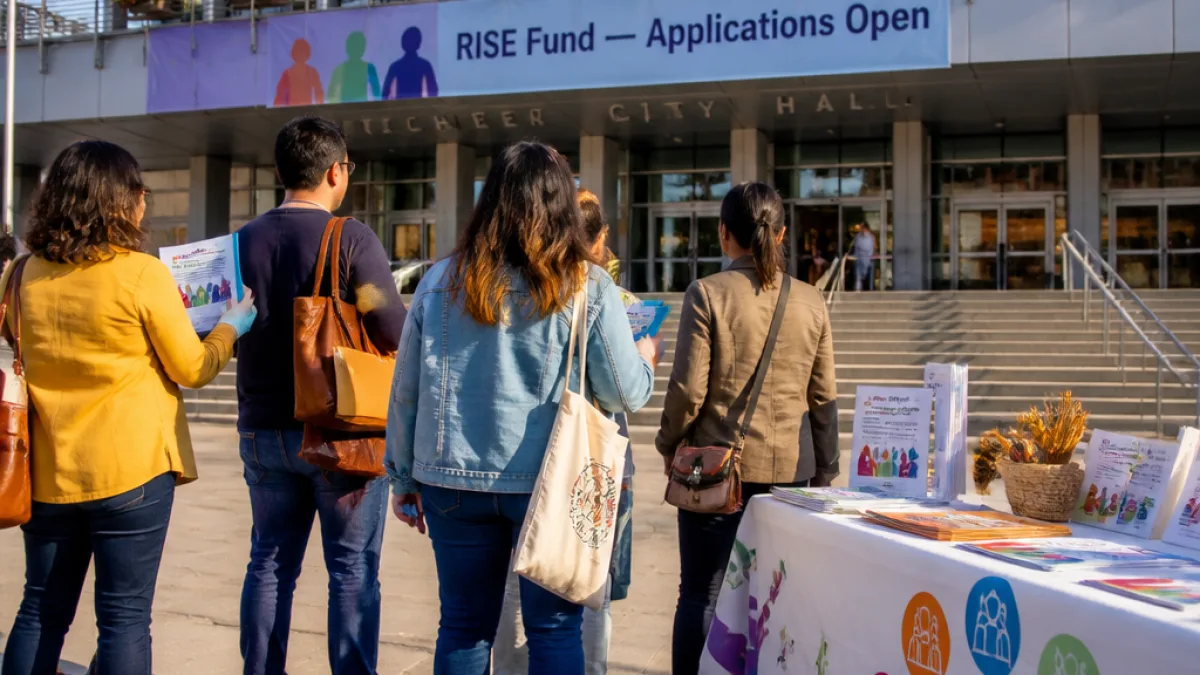
The City of Kitchener has opened applications for the Racialized and Indigenous Supports for Equity (RISE) Fund, now in its fifth year, inviting not-for-profit organisations and community projects led by Black, Indigenous or racialized people to apply for grant support.
Purpose and eligibility
City documents describe the RISE Fund as a program designed to back “community-led organizations, programs, initiatives and events that help address inequities while increasing opportunities and well-being for Black, Indigenous and racialized communities in Kitchener.” The fund accepts applications from both new and established not-for-profits and community projects.
As per the fund’s guidelines, applicant organisations must be led by individuals who identify as Black, Indigenous and/or racialized and must serve those communities in Kitchener. The City of Kitchener has signalled that priority will be given to organisations that have been operating for five years or less and to Indigenous organisations and projects.
“community-led organizations, programs, initiatives and events that help address inequities while increasing opportunities and well-being for Black, Indigenous and racialized communities in Kitchener.”
Funding delivered so far
A staff report from Kitchener’s Finance and Corporate Services Department, published in October 2025, shows the RISE Fund provided $396,789 to 43 local organisations between 2022 and 2024. The report included a breakdown of how funding was distributed across different racialized communities, reflecting an effort to target resources where they are most needed.
| Metric | Value |
|---|---|
| Total contributions (2022–2024) | $396,789 |
| Organisations funded (2022–2024) | 43 |
Who has benefited
Past recipients named by the city include community groups working across a range of issues: Action for Women and Family; Kingsdale Community Garden; Muslim Social Services Waterloo Region; and Hope for Community Development. The city highlighted that with RISE Fund support, programs such as those run by Hope for Community Development focus on youth and newcomer families with entrepreneurship and leadership programming.
- Eligibility: organisations must be led by people who identify as Black, Indigenous and/or racialized and serve those communities in Kitchener.
- Priority: newly founded groups (five years or less) and Indigenous organisations receive priority consideration.
- Past impact: the fund distributed $396,789 to 43 organisations between 2022 and 2024.
Demand and local implications
Interest in the RISE Fund has grown significantly since it began in 2022; initial application numbers were modest, then rose sharply in subsequent cycles, reflecting both increasing awareness and a growing need for targeted supports among racialized and Indigenous communities in Kitchener.
For local organisations, the RISE Fund represents one of the few municipal funding streams explicitly designed to support racialized and Indigenous leadership. That signal of municipal support can be important when groups seek additional funding from other orders of government or private donors, or when they try to scale programs that address gaps in services such as newcomer supports, food security, youth programming and cultural initiatives.
City council and staff will likely keep monitoring application volumes and outcomes as they consider future budget allocations and program design. For service providers and community organisers, the fund’s emphasis on recently established projects is intended to lower barriers to entry for new grassroots initiatives that may not yet have long financial histories.
Organisations and projects interested in applying are directed to the City of Kitchener’s RISE Fund application materials for full criteria and deadlines.
The RISE Fund’s continuation into a fifth year underscores a municipal commitment to targeted equity investments, but it also highlights broader questions about sustainable funding for community-led services and the capacity of small organisations to absorb and scale municipal grants.
Long-term effects will depend on whether the city increases funding levels, how many projects can convert short-term grants into sustained programming, and the ability of nascent organisations to grow while retaining community leadership and focus.