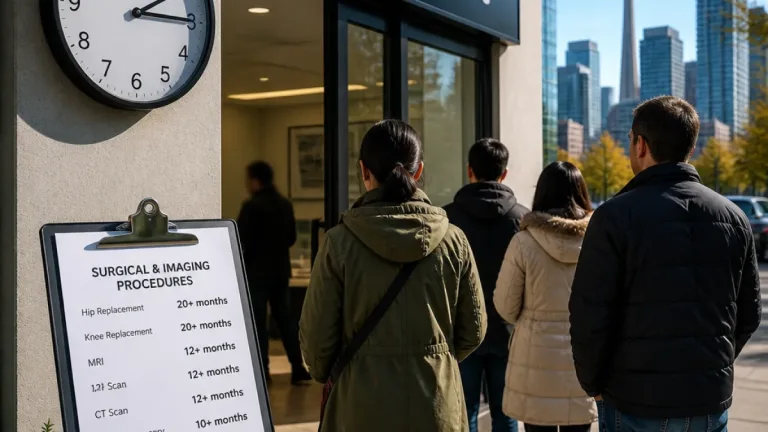
Efforts to shorten waits for diagnostic imaging — including CT scans and magnetic resonance imaging (MRI) — remain a central focus for medical staff and administrators in Nova Scotia, according to reporting this week.
Pressure on radiology departments
Diagnostic imaging services are a critical link in the health-care chain: timely scans can speed diagnosis, guide treatment decisions and reduce patient anxiety. Health-care professionals who run radiology departments across the province say reducing wait times continues to be a top priority for their teams.
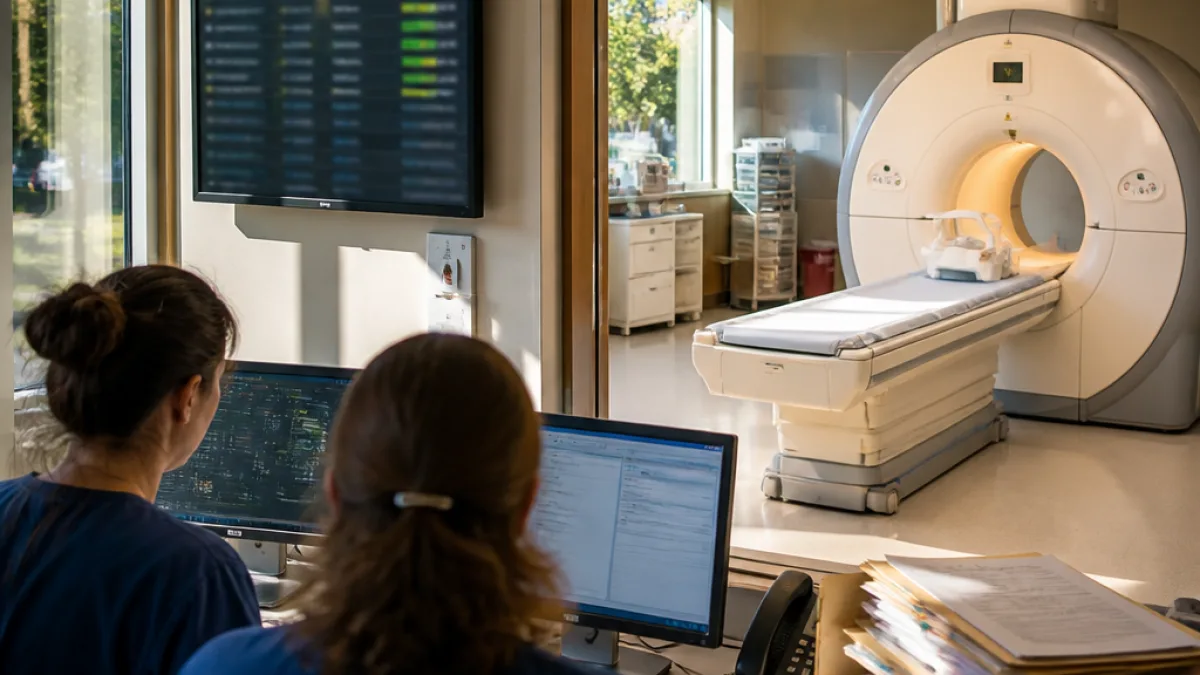
A photograph taken at the Victoria General Hospital in Halifax shows two MRI technicians in the MRI magnet room, underscoring the human resources required to operate high-demand imaging equipment.
Reducing wait times for diagnostic imaging remains a top priority for the medical professionals who run those departments in Nova Scotia.
What diagnostic imaging covers
Diagnostic imaging generally refers to tests such as:
- Computed tomography (CT) scans — cross-sectional X-ray images used for a wide range of conditions;
- Magnetic resonance imaging (MRI) — detailed images of soft tissue, brain, spine and joints produced without ionizing radiation;
- Ultrasound and X-ray services — commonly used for abdominal, obstetric and skeletal assessments.
These services are provided in hospitals and outpatient clinics and are often prerequisites for specialist referrals, surgeries and cancer care.
Why waits matter
Long waits for imaging can delay diagnosis and treatment planning. For conditions such as stroke, cancer or traumatic injuries, minutes and days can matter. For chronic and non-urgent conditions, extended delays may increase patient distress and complicate care coordination.
While the reporting indicates reducing waits is a priority, specifics about current median times, provincial targets or recent trends were not included in the available material. Access to the full article and additional data is behind a subscription wall with the outlet that published the reporting.
What patients should know
Patients who are referred for imaging in Nova Scotia should consider the following practical steps:
- Ask your referring clinician or the imaging centre for an estimated wait time and whether there is a priority system for urgent cases;
- Check with your primary care provider or specialist if symptoms change or worsen — urgent reassessment may change priority for imaging;
- Confirm preparation instructions (for example, fasting or contrast considerations) and bring relevant medical records to your appointment.
System-level responses
Provincial health authorities and hospital administrators typically address imaging backlogs through several approaches — hiring and retention of trained technologists, extending operating hours, investing in equipment, and referral triage — though the specific measures currently underway in Nova Scotia were not detailed in the source material available without subscription.
| Service | Typical use |
|---|---|
| CT scan | Trauma, stroke assessment, intra-abdominal disease |
| MRI | Brain, spine, joint and soft-tissue imaging |
| Ultrasound/X-ray | Obstetrics, abdominal and skeletal evaluations |
Looking ahead
Reducing imaging wait times in Nova Scotia is an ongoing operational challenge for hospitals and health authorities. The public can expect continued emphasis from medical leaders on improving access, but specific timelines or measures were not provided in the accessible reporting. For residents seeking more detailed information, contacting the referring clinician, the local health authority or the imaging centre directly remains the most reliable route to get case-specific guidance and current appointment estimates.
Coverage of diagnostic services and system performance often appears in local outlets and in official communications from Nova Scotia Health. Readers who rely on imaging for diagnosis or treatment are encouraged to maintain open communication with their providers about urgency, alternatives and follow-up.
— Nova Scotia correspondent