Major maintenance dredging completed in Georgetown harbour
The U.S. Army Corps of Engineers, Charleston District, announced the completion of a maintenance dredging project in Georgetown harbour on Aug. 19, restoring safe and reliable depths to federal navigation channels. The work, carried out by contractor Southern Dredging of Charleston, South Carolina, cost $3.5 million and ran for two months.
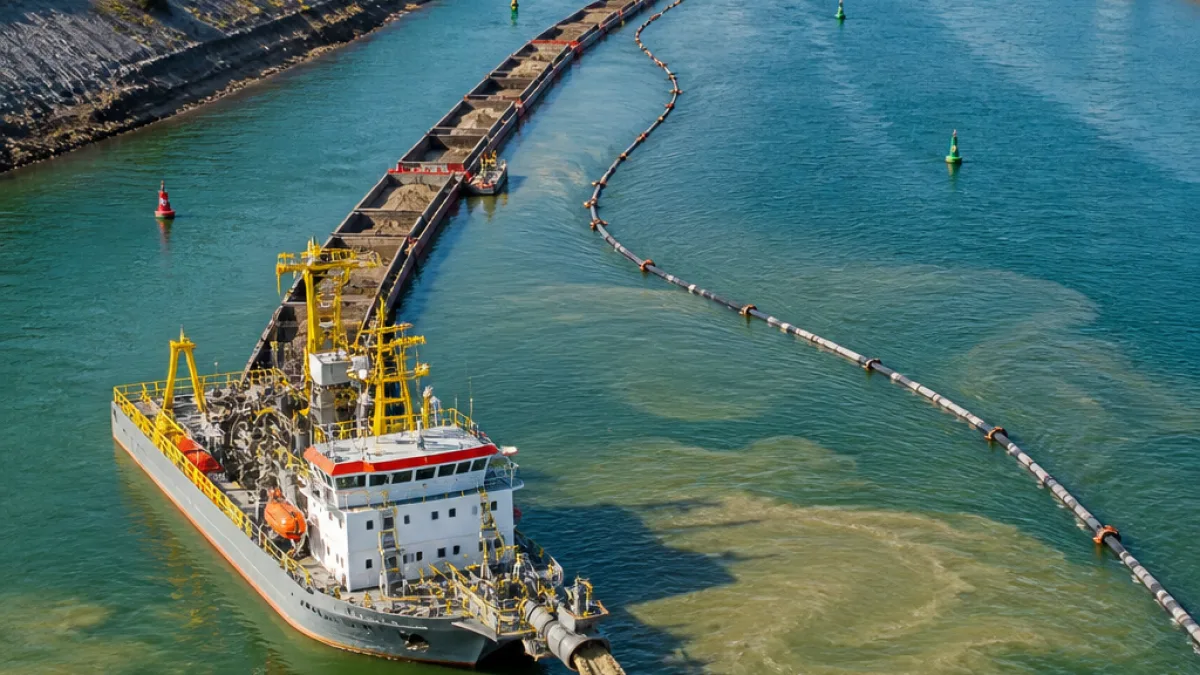
The operation addressed severe shoaling that had reduced channel depths in some locations to less than 5 feet, creating a hazard for commercial and recreational craft. The dredging restored the Steel Mill and Bypass channels to their authorised operating depth of 12 feet, plus an additional 2 feet of overdepth.
Scale and methodology of the works
Crews removed a total of 561,320 cubic yards of accumulated sand and silt during the operation. That volume included:
- 389,384 cubic yards from the Steel Mill Channel;
- 171,936 cubic yards from the Bypass Channel.
| Channel | Material removed (cubic yards) |
|---|---|
| Steel Mill Channel | 389,384 |
| Bypass Channel | 171,936 |
| Total | 561,320 |
To illustrate the scale, officials noted the dredged material would fill roughly 46,770 standard construction dump trucks. Lined bumper-to-bumper, the convoy of those trucks would stretch more than 220 miles—about the driving distance from Georgetown to Charlotte, North Carolina.
Economic and operational context
According to the Corps, inside-channel maintenance dredging in the harbour had been suspended since August 2008 because of budget constraints and changes in vessel traffic. Restoring reliable channel depths is intended to revitalise industrial waterfront properties and to support the Georgetown Port Master Plan and the region’s Multi-County Industrial Park initiatives.
“Maintaining safe and navigable waterways is critical to the economic vitality of Georgetown,”
said Sonja Carter, Charleston District project manager. The Corps also highlighted that the dredge selected for the work was a specialised cutterhead dredge chosen to minimise water turbidity, and that operations ran 24 hours a day during the two-month campaign.
The project required continuous dredging and safe management of the removed material. The Corps reported that dredging had removed the underwater hazards that reduced channel depth and, by doing so, aimed to ensure safer passage for commercial and recreational boaters.
What’s next
With the authorised depths restored and an extra two feet of overdepth achieved, the harbour’s federal channels are now in a state that should accommodate the navigation needs identified in planning documents. The Corps framed the completion as a milestone that directly supports local economic objectives and future industrial development.
For communities and businesses that rely on maritime access—ports, marinas, waterfront industries and recreational boaters—the dredging represents a tangible upgrade to marine infrastructure. Local stakeholders will now look to maintain channel depths on a more regular basis to prevent the re-emergence of hazardous shoaling.
While the works reported here took place in Georgetown, South Carolina, the project provides a useful example for Ontario communities with harbour and channel maintenance challenges: dredging projects are costly and logistically complex, but they can be critical to sustaining waterfront economies and ensuring safe navigation.