Close to Quebec City, a coastal weekend that feels Scandinavian
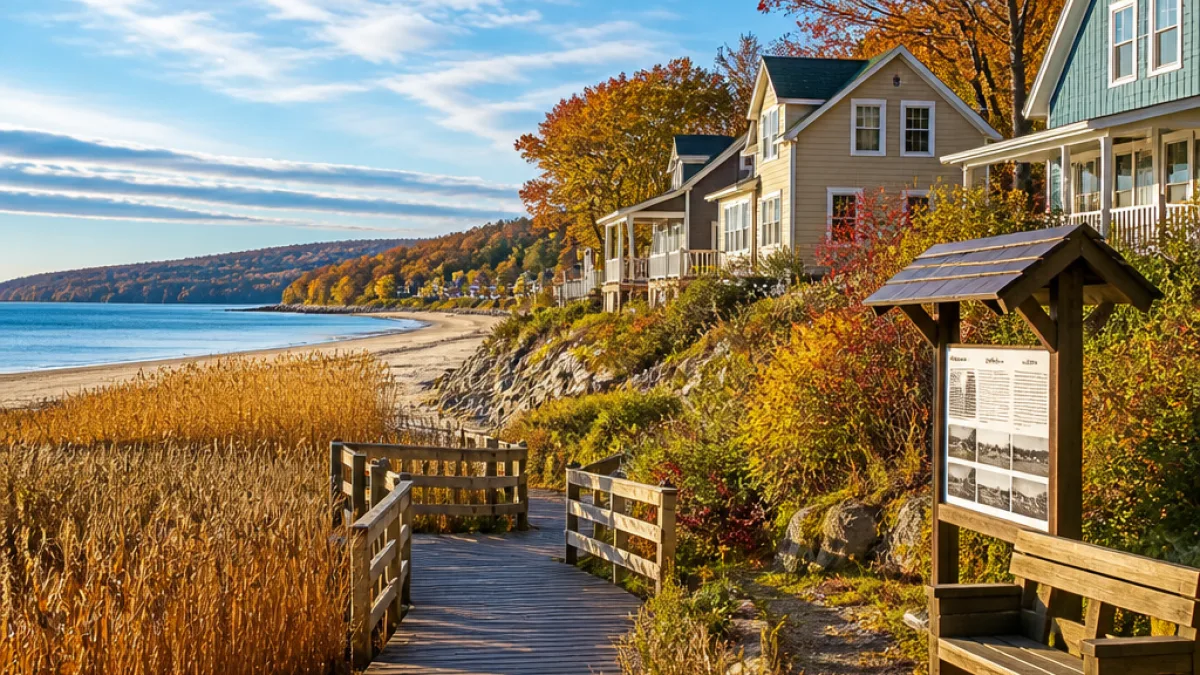
About two hours north of Quebec City along the south shore of the St. Lawrence River, Kamouraska is drawing attention as an autumn getaway that combines expansive saltwater views, sandy beaches and a village atmosphere some compare to northern Europe. As Quebec’s landscapes shift to reds and golds, the municipality’s waterfront is being promoted as a place to savour fall while practising ecotourism and respect for the local environment.
The name Kamouraska is derived from the Algonquin word akamaraska, meaning “there are reeds by the water’s edge.” That linguistic reminder sits alongside the reality that this territory, like much of Quebec, is land long inhabited by Indigenous nations and later colonized. Recent coverage urging visitors to treat the area gently stresses both conservation and recognition of that history.
What visitors can expect
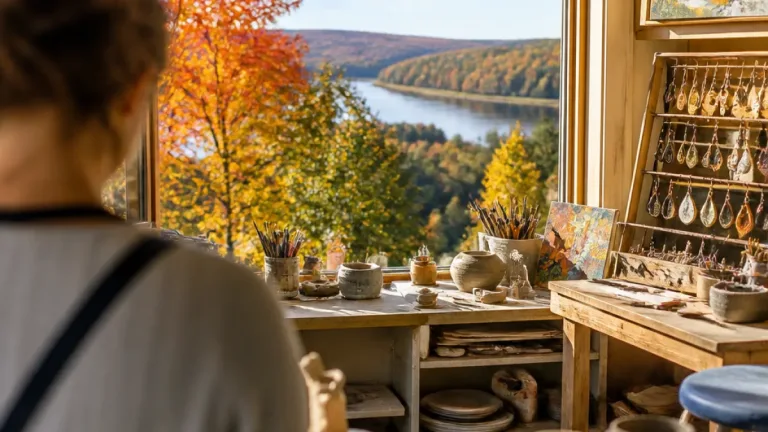
Travel writers describing Kamouraska point to several consistent features: broad river views, beaches exposed at low tide, small villages with a calm, deliberate pace and architecture or design touches that evoke a Scandinavian aesthetic. Local cultural offerings — from small galleries to community art centres — add to the appeal for short weekend stays.
- Natural landscape: shoreline views and tidal flats along the St. Lawrence.
- Village atmosphere: a compact municipality with coastal villages and artisan offerings.
- Accessible from Quebec City: a drive manageable as a weekend or day trip.
"The natural environment that we must preserve, that we must cherish, that we must sometimes leave undisturbed, and that we must respect."
The blockquote above captures the central message emerging from recent coverage: enjoy the beauty, but avoid contributing to overtourism or environmental damage. That message also includes recognition of the problematic history of colonization and of Indigenous displacement on these territories.
Practical considerations
For residents of Quebec City planning a short escape, Kamouraska’s proximity is a major draw. It is routinely described as roughly a two-hour drive north along Route 132 on the south shore of the St. Lawrence. For Montrealers, the trip is often framed as closer to four hours.
| Departure city | Approximate drive time |
|---|---|
| Quebec City | 2 hours |
| Montreal | 4 hours |
Autumn tends to be a popular season for leaf colour and cooler weather, but it also brings the need to plan around shorter daylight hours and variable tides on the river. Accommodation options in Kamouraska range from small inns and bed-and-breakfasts to rentals in and around the villages; visitors are advised to book ahead for long weekends in September and October.
Local context and responsibilities
Local commentators and tourism promoters are emphasising sustainable travel: staying on marked trails, limiting disturbance of shoreline habitats, supporting local businesses and seeking out Indigenous-led experiences where available. The broader conversation around Kamouraska mirrors a province-wide reckoning over land use, historical dispossession and how to welcome visitors without degrading the environment.
For Quebec City residents, Kamouraska offers a nearby opportunity to experience a different facet of the province — saltwater rather than boreal forest, small coastal communities rather than city streets — while testing a travel approach that prioritizes conservation and respect for place.
As the trees change colour this fall, the short trip north can be both restorative and instructive: a reminder that beautiful places need careful stewardship if they are to remain inviting for generations to come.