A four-year-old boy from the Nunavik village of Ivujivik has died at Montreal Children’s Hospital two days after being admitted, according to reporting by the CBC. The child’s death has prompted a series of investigations into how the case was handled, spotlighting long-standing concerns about health-care access and emergency transfers for Quebec’s northern communities.
Immediate response and probes
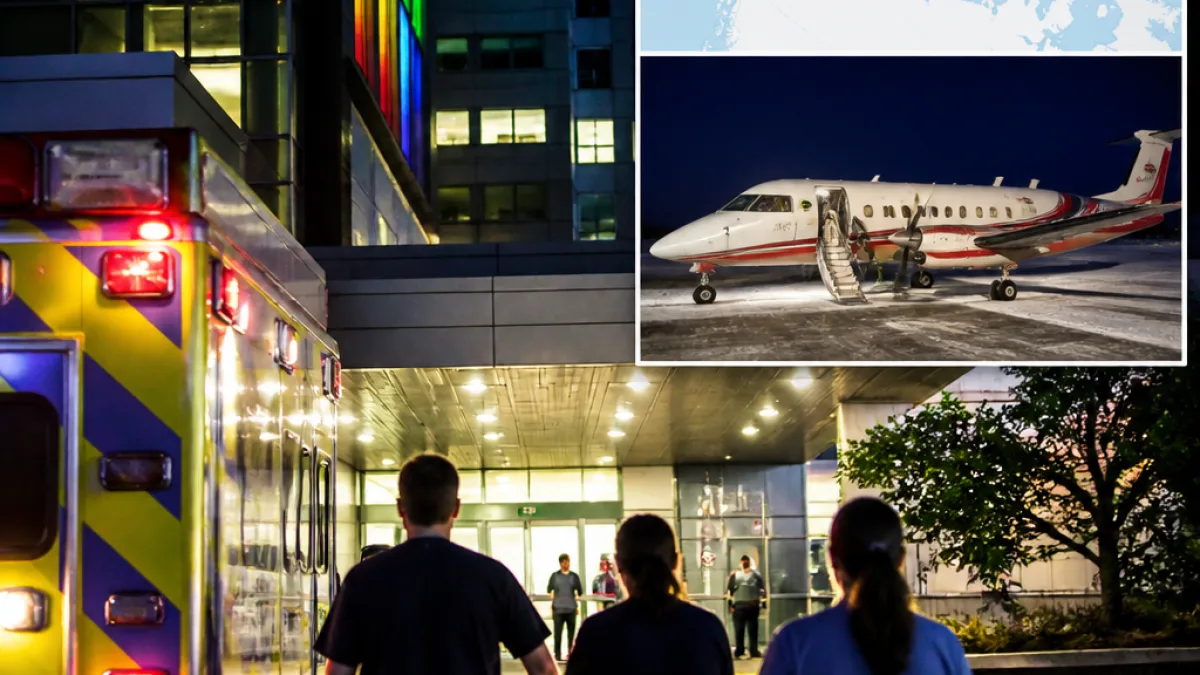
The boy was transferred from Ivujivik, a remote hamlet at the northern tip of Quebec, to Montreal for more advanced care. He died two days after admission to the paediatric hospital. Provincial and local authorities have launched multiple inquiries into the circumstances surrounding his care, although details of the investigations and their mandates have not been publicly disclosed.
Officials have said the death has prompted a "series of investigations," but at the time of publication few facts have been released publicly about the timeline of events, the medical interventions provided in Ivujivik or during transport, and the agencies leading the probes.
Context: health care in Nunavik
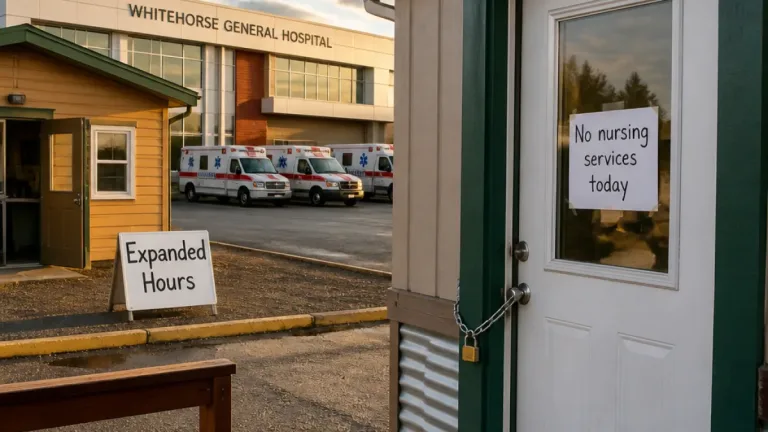
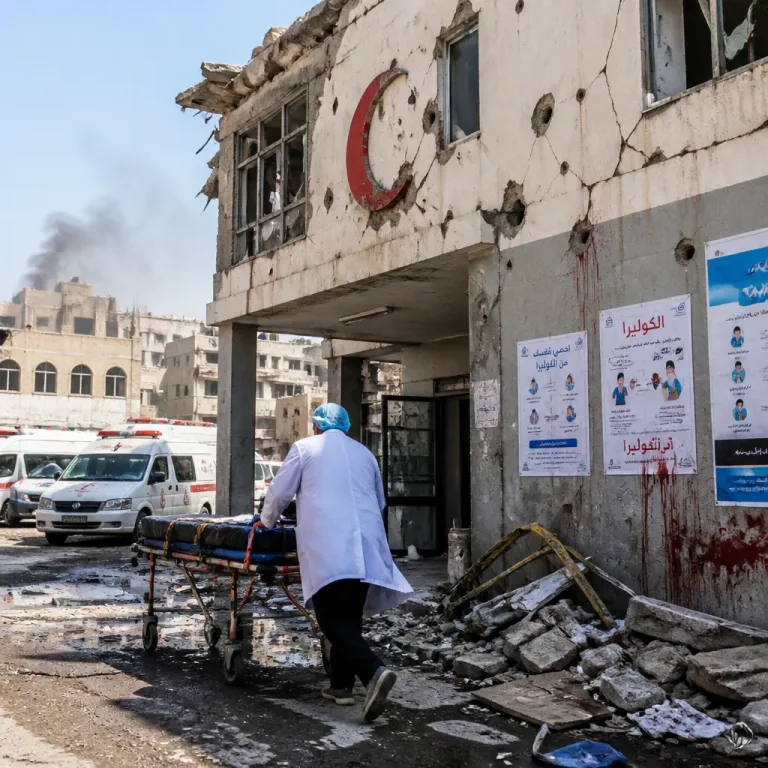
Ivujivik is one of several small communities in Nunavik that rely on local nursing stations and periodic visits by specialist teams, with more complex cases requiring medical evacuation to larger centres. The death has again revived questions about the logistical and clinical challenges of providing urgent paediatric care in isolated northern communities and the systems used to assess and arrange medevac transfers.
Health-care delivery in the region is shaped by geography, weather and limited local resources. Families in Nunavik sometimes face lengthy journeys to reach tertiary hospitals in southern Quebec, a factor that can complicate emergency care.
What is known so far
- The child was from Ivujivik, Nunavik.
- He was admitted to Montreal Children’s Hospital and died two days later.
- The death has prompted a series of investigations, according to CBC reporting.
| Event | Reported detail |
|---|---|
| Origin | Ivujivik, northern Quebec |
| Hospital | Montreal Children’s Hospital |
| Timing | Died two days after admission |
| Official action | Multiple investigations under way |
Calls for transparency and accountability
Deaths of children from remote communities typically prompt demands for clear, public explanations from health authorities and governments. Community leaders, families and advocacy groups often call for transparency about clinical decisions, transport times, coordination between local and provincial services, and whether system failures contributed to the outcome.
At this stage, authorities have not released a detailed timeline or clinical summary that would allow independent observers to assess the care provided before and during transfer, or the adequacy of communications between the local health centre, medevac providers and receiving specialists in Montreal.
Broader implications for northern communities
While details of this case remain limited, the situation highlights persistent structural issues in providing timely, specialised care in Nunavik and other northern regions of Quebec. These include:
- Limited on-site diagnostic and specialist services in small communities.
- Dependence on medevac services that can be affected by weather and remoteness.
- The emotional and logistical strain on families who must travel long distances when children require advanced care.
Experts and community representatives have long argued that improving local capacity, clarifying transfer protocols and enhancing communication can reduce risks in urgent cases. Whether this particular death will prompt policy changes or systemic reviews remains to be seen.
Next steps
Officials leading the investigations have not released timelines for their findings. Quebec’s health authorities and other relevant agencies will likely be asked to provide updates as inquiries proceed. Families and community members in Ivujivik may also seek independent reviews or calls for public reports once investigations conclude.
WE NEWS will continue to follow this developing story and report on official statements, investigation findings and reactions from the Ivujivik community and regional health authorities.