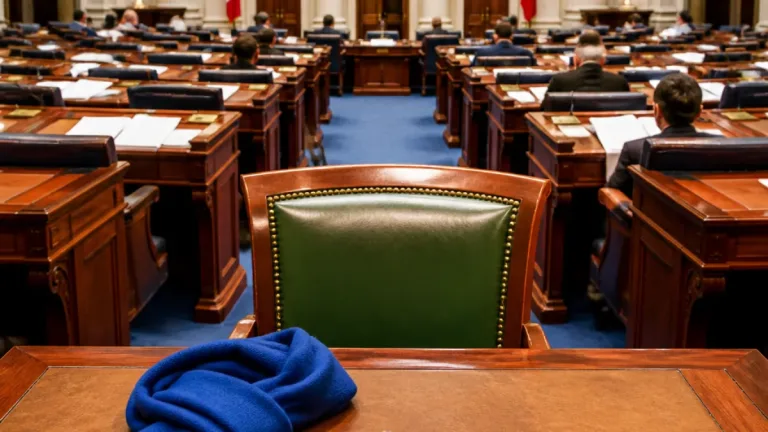

QUÉBEC — A University of Ottawa law professor has started a legal challenge to a 2022 Quebec statute that made the oath of allegiance to the King optional for newly elected members of the provincial legislature, arguing the change goes beyond provincial power and threatens the legal standing of members and the laws they pass.
What the motion says
Lawrence David filed a motion in Quebec Superior Court on Monday asserting that Bill 4, the Dec. 2022 law that replaced the traditional two-oath requirement with a single pledge to the people of Quebec, amounts to an unlawful amendment of the Constitution. In court filings, he contends the provincial government lacked authority to excise the federal constitutional provision that previously required an oath to the British Crown.
Mr. David — who is also the founder of the Public Interest Litigation Institute — argues the change infringes on Quebecers' voting rights and their right to effective representation. He told reporters the issue is ripe for judicial review with a provincial election looming.
"The representation provided by these members will not be effective from a legal standpoint,"
that he stated, warning that legislators who do not take the original oath would not be legally seated and that could cast doubt on the validity of laws they pass.
Legal basis and requested remedy
In his motion, Mr. David says the statute's constitutional amendment required the consent of the federal government and every province. He framed the case as an effort to protect the rule of law and the supremacy of the Constitution, saying unilateral provincial action to change constitutional rules would create legal disorder.
He also described the challenge as personal, noting family members live in Quebec and that he is acting to safeguard their rights under the Constitution.
Political reaction
Parti Québécois leader Paul St-Pierre Plamondon, whose caucus pushed for the change after some members were prevented from taking their seats when they refused to swear allegiance to the King, criticised the court action on social media.
He noted the law had been adopted unanimously by Quebec's legislature and rejected the challenge, saying in essence that Quebec's democratic choices should not be impeded.
Background and context
Prior to Bill 4, newly elected members of the Quebec legislature were required to take two oaths: one to the people of Quebec and a second to the British Crown, under a provision dating to the 1867 Constitution Act. The change followed an incident in which members of the Parti Québécois were temporarily blocked from being sworn in after refusing to take the royal oath.
Bill 4 removed the obligation to swear allegiance to the monarch and inserted language intended to exempt Quebec from the federal constitutional section requiring the royal oath.
| Year | Event |
|---|---|
| 1867 | Constitution Act establishes oath requirement to the Crown |
| 2022 | Bill 4 makes oath to the people of Quebec sufficient; royal oath becomes optional |
| 2026 | Lawrence David files Superior Court motion challenging the change |
Potential implications
If the court finds the statute invalid, the decision could have immediate practical consequences: questions about whether members who did not swear the royal oath were properly seated; whether votes they participated in are legally sound; and whether legislation enacted with their participation is valid. Mr. David argues those risks amount to a denial of effective representation for voters.
Conversely, upholding the law would affirm Quebec's revised approach to parliamentary oaths. The case may also prompt further legal debate over the process required to amend constitutional provisions and the limits of provincial legislative authority.
What to expect next
The Superior Court will consider the motion and decide whether to hear the full constitutional challenge. The timing of any hearing is not yet known. The matter arrives against the backdrop of provincial politics, where constitutional questions about the role of the Crown and provincial autonomy remain politically salient.
- Plaintiff: Lawrence David, University of Ottawa law professor and founder of the Public Interest Litigation Institute.
- Defence: Quebec government, author of Bill 4 (challenged statute).
- Core issues: Whether the province could effectively amend or exempt a federal constitutional requirement; whether the changes undermine voters' rights and effective representation.
The challenge underscores an ongoing tension in Quebec politics between assertions of provincial distinctiveness and the constitutional framework that binds the provinces together. The Superior Court's handling of this case could clarify the extent to which provinces may alter historic constitutional arrangements on their own.