Candidates push coordinated approach to growth
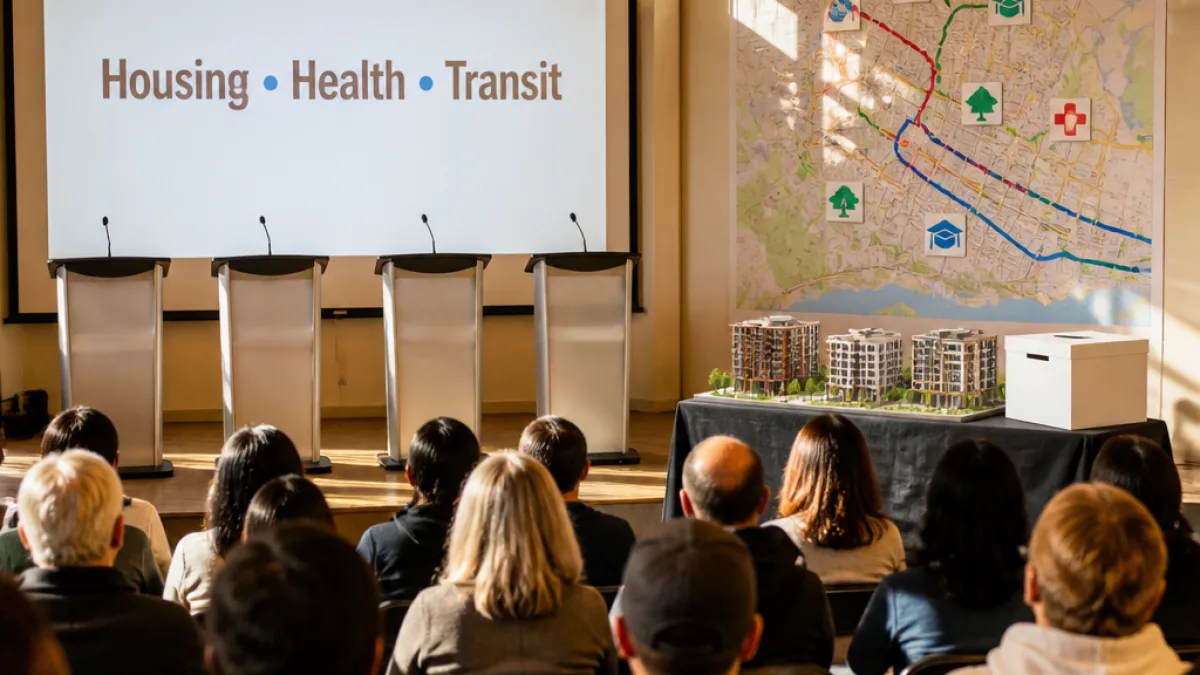
Four candidates for Coquitlam city council used a recent Parvaz TV Canada and Skyrise Media Society forum to set out their priorities as the city prepares for a busy decade of growth. While their emphasis and experience differ, the discussion made clear that housing affordability, access to health services and transportation remain the dominant concerns for voters.
The forum brought together candidates who stressed the need to align new housing and population increases with investments in transit, schools, parks and health care. That alignment, they said, will determine whether growth makes day-to-day life more liveable or simply increases pressure on existing services.
Housing affordability and approvals under scrutiny
All four candidates identified housing costs and the supply of family-appropriate and seniors housing as central issues for the next council term. Their proposals ranged from expanding affordable rental supply and supporting nonprofit housing partnerships to speeding up development approvals to reduce construction timelines.
One candidate with a business and transportation background advocated for streamlining processes and ensuring developments are served by adequate transit. Another highlighted supports for working families and environmental protection as interlocking priorities. The incumbent emphasised council experience and legal knowledge, while a fourth candidate focused on boosting local employment, livable housing and economic development.
- Affordable rentals: increase supply and encourage nonprofit partnerships
- Seniors and family housing: plan for family-sized units and dedicated seniors’ options
- Faster approvals: reduce delays in permitting to speed housing delivery
Healthcare: more local services, not just talk
Health-care access emerged as a second major theme. Candidates urged the city to press provincial partners for urgent and primary care centres in Coquitlam and to expand services at Eagle Ridge Hospital. They also flagged the ongoing challenge of recruiting family physicians and improving access to mental health supports.
While municipal governments do not deliver most health services, candidates described the council’s role as an advocate and convener — helping to make the case for capital investments, attracting primary-care teams and ensuring new neighbourhoods are planned with health access in mind.
Transit and active transportation plans
Transportation proposals in the forum ranged from tactical road improvements to broader public-transit enhancements. Ideas included more frequent and accessible bus service, improved pedestrian and cycling infrastructure, expanded West Coast Express service and better local management of e-bikes and scooters.
Speakers emphasised that transportation planning must keep pace with growth so that new housing does not overload existing roads or public transit. Several candidates called for targeted investments in sidewalks and safer crossings to support walking and wheeling as practical daily options.
"Learn about the candidates and vote in the October 17 municipal election."
Community inclusion and engagement
Candidates also discussed cultural inclusion and stronger public consultation. Several noted the importance of helping newcomers connect with services — from language and settlement supports to local employment opportunities — so that growth translates into community benefit rather than social strain.
While the workshop highlighted differences in emphasis and background, there was a recurring consensus: growth must be coordinated with the services and infrastructure residents rely on.
| Candidate | Primary focus |
|---|---|
| Harvey Su | Business experience and transportation advocacy |
| Jane Thompson | Working families, community services and environmental protection |
| Robert (incumbent) | Council and legal experience |
| Rosalinda | Local employment, livable housing and economic development |
With the municipal election looming on Oct. 17, Coquitlam voters will decide which combination of experience and priorities they want to steer the city through a period of significant change. For residents weighing their choices, the clear through-line from the forum was the need for council members who can translate growth into tangible improvements in housing affordability, health access and transportation.
Local councils cannot solve every challenge alone, but the next Coquitlam council will have a pivotal role in setting local policy, advocating to senior governments and shaping how growth affects everyday life on the West Coast.