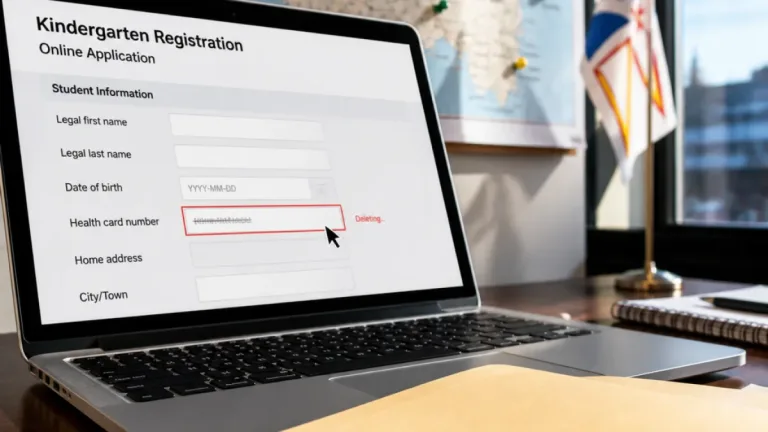

The Charlottetown Library Learning Centre Foundation has put a portable tech‑lending kiosk at the centre of its next fundraising drive, saying the device will help residents access essential online services and provide tablets for library users who need a quiet place to work.
A push to narrow the local digital divide
The foundation, which supports the downtown Charlottetown library, announced the initiative as part of ongoing efforts to expand community access to technology. Susan Graham, interim chair of the foundation board, said the kiosk will help patrons who lack reliable home internet or devices and those who need a quiet, device‑equipped area for online tasks.
"A tech‑lending kiosk will help residents access essential online services and use tablets in quiet parts of the library."
Library leaders and their supporting foundation are increasingly focused on the role public libraries play as points of digital access — offering not only books and programming but also the tools needed to complete government forms, job applications, online banking and other vital services.
What the kiosk will offer
- Loanable tablets for short‑term use inside the library
- Quiet workstation areas equipped with devices for privacy and focus
- Assistance from library staff or volunteers to help patrons navigate online services
While details such as the exact number of tablets and the kiosk’s roll‑out timeline were not disclosed by the foundation, the announcement signals a practical, community‑level response to growing needs for public access to digital tools.
Local consequences and context
Charlottetown’s downtown library serves a wide cross‑section of residents: students, seniors, newcomers, and those without reliable home internet. A portable tech kiosk could reduce barriers to essential services and support residents who require temporary access to a device or a quieter workspace.
Libraries across Canada have seen an increasing demand for digital support and devices in recent years. For a city the size of Charlottetown, investments that increase public access to technology can help bridge gaps that affect employment, health care access, education and civic participation.
| Feature | Potential benefit for residents |
|---|---|
| Loanable tablets | Immediate device access for online forms, job searches and learning |
| Quiet, device‑equipped areas | Privacy for sensitive tasks and focused study or work |
| Staff assistance | Help with navigation of government services and digital literacy |
Foundation members say fundraising will be required to bring the kiosk into service. The initiative is one of several ways the foundation supports the library’s operations and community programming, using targeted projects to respond to immediate local needs.
Next steps and community role
Those interested in supporting the project can expect the foundation to provide information about fundraising targets and how donations will be used. Public libraries often rely on a mix of municipal funding, provincial grants and local philanthropic efforts; the foundation’s campaign highlights how community contributions can be directed to specific, practical improvements.
For many Charlottetown residents, a portable tech kiosk would represent more than a new piece of equipment — it would expand the library’s capacity to act as a first‑stop resource for digital inclusion in the downtown core.
More details on timing, exact specifications and how patrons will access the tablets are expected as the foundation moves from planning to fundraising and implementation.