
A medical oncologist serving western Manitoba is leaving his position in Brandon after saying repeated requests for additional support were not addressed, raising concerns about the strain placed on specialist cancer care outside Winnipeg.
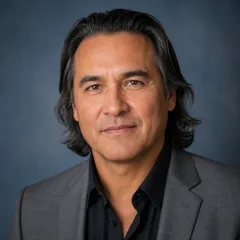
Dr. Brady Anderson’s final day practising oncology at the Western Manitoba Cancer Centre will be Nov. 13. He will then move into a hospitalist role at Brandon Regional Health Centre, according to information provided by CBC News.
Anderson has worked at the Brandon cancer centre for four years. He described the decision to step away from oncology as deeply difficult, particularly because caring for cancer patients in the region had been a long-standing professional goal.
“This was my dream job since I was an early medical student,” Anderson said.
He said personal experience shaped that ambition. Several members of his family had cancer, and he wanted to return to the region to contribute in an area where he believed care was needed. Leaving the role, he said, has been devastating.
A single specialist carrying the medical oncology workload
Anderson said he was the only medical oncologist practising outside Winnipeg in Manitoba. That position meant he was responsible for major medical decisions involving patients at the Brandon centre, including diagnoses and substantial changes to treatment plans.
The centre continues to have two family doctors with oncology training and three radiation oncologists. Anderson said, however, that the medical oncology responsibilities requiring a specialist ultimately fell to him.
He said the arrangement left him effectively on call by default. In his account, the pressure was not limited to scheduled clinical duties but extended into an ongoing expectation that he would remain available when complex patient decisions arose.
“I’m effectively being forced into a significant amount of unpaid overtime, with no promise or guarantee that it will be fixed or compensated in the future,” Anderson said.
Support requests and burnout
Anderson said he repeatedly sought help from both the provincial government and CancerCare Manitoba. He attributed his burnout to a combination of the workload and what he described as a lack of support from those organizations.
The source material identifies proposed support options including nurse practitioners, clinical assistants and physician assistants. It does not provide a timeline for when those positions would be added or explain whether any of the measures were ultimately put in place.
His account points to a broader challenge for patients who receive specialized care in regional centres: maintaining local access depends not only on the presence of a cancer facility, but also on having enough physicians and clinical staff to manage the most complex parts of treatment.
CancerCare says care will continue
CancerCare Manitoba has promised continuity for patients in western Manitoba following Anderson’s departure. The organization’s assurance is significant for patients who may be concerned about whether appointments, diagnoses or treatment plans will be disrupted after Nov. 13.
However, the information available does not specify how oncology coverage will be organized once Anderson leaves, whether patients will be reassigned to another physician or how after-hours responsibilities will be handled. It also does not include a response from the province addressing Anderson’s allegations about repeated requests for support.
| Item | Information available |
|---|---|
| Current oncology site | Western Manitoba Cancer Centre in Brandon |
| Anderson’s final oncology day | Nov. 13 |
| Next role | Hospitalist at Brandon Regional Health Centre |
| Other cancer-care physicians identified | Two oncology-trained family doctors and three radiation oncologists |
What the transition means for western Manitoba
For people in Brandon and surrounding communities, the departure places attention on how regional cancer care is staffed and supported. Anderson’s move does not mean the cancer centre is closing, and CancerCare has said patients will continue to receive care. But the transition will change who carries the medical oncology workload at a site where Anderson said he had been the sole specialist in that field.
His decision also leaves him working within the same regional health system, but outside the oncology role he considered his vocation. As a hospitalist, he will remain at Brandon Regional Health Centre while ending his direct practice as a medical oncologist on Nov. 13.
The immediate issue for patients is continuity: ensuring that medical decisions, treatment changes and clinical questions continue to receive timely attention. The longer-term question is whether the system can provide the staffing and backup needed to make specialist care sustainable in Brandon rather than relying on one physician to remain available by default.