Gauteng Roads and Transport MEC Kedibone Diale-Tlabela has condemned intimidation, threats and extortion in the province’s taxi industry and vowed that there is "no place for criminality" in public transport.
Licence revocations on the table
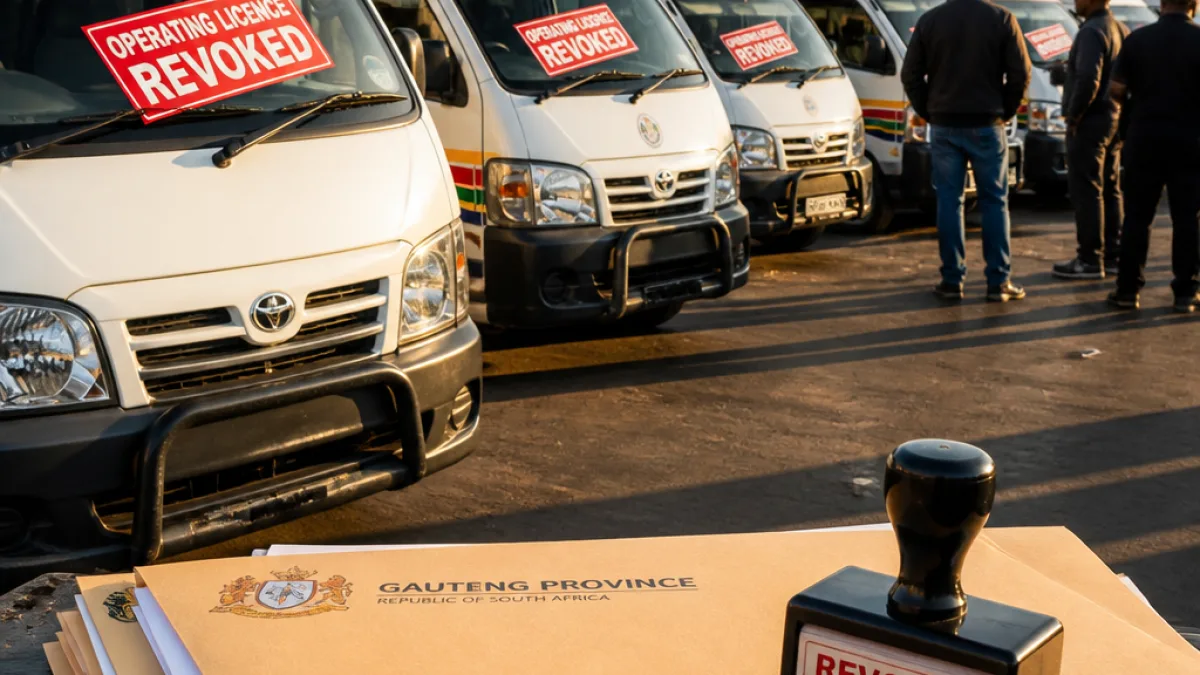
The matter was referred to the Provincial Taxi Task Team after reports of alleged criminal conduct within the industry. The MEC’s spokesperson, Lesiba Mpya, said the department would move to revoke the operating licences of anyone found to be involved in wrongdoing.
"The MEC has further emphasised that where unlawful conduct involves a holder of an operating licence, the department will pursue all applicable legal processes to ensure that the operator’s licence is revoked or otherwise dealt with in accordance with the law," Mpya said.
Mpya added that the department has met with industry representatives but expressed frustration at what was described as a lack of cooperation in investigations into taxi-related killings and violence.
Industry structures and conflict resolution
The department has urged taxi associations to settle disputes and differences through established industry mechanisms and lawful processes rather than intimidation or coercion.
Mpya warned: "Intimidation and coercion cannot be allowed to undermine the stability of the industry." The message was also delivered publicly by the MEC during meetings with roughly 11 taxi associations in the province, according to reporting.
What the province is doing
Details published by the provincial spokesperson outline the following actions or positions:
- Reports of alleged criminality in the taxi industry were brought to the Provincial Taxi Task Team.
- The Department of Roads and Transport intends to pursue legal processes to revoke or otherwise deal with operating licences held by those involved in unlawful conduct.
- Industry stakeholders are being urged to use formal dispute-resolution channels rather than violence or intimidation.
| Issue | Provincial response |
|---|---|
| Intimidation, threats, extortion | Investigations by Provincial Taxi Task Team; potential licence revocation |
| Route disputes | MEC said they remain a challenge and need lasting solutions |
| Industry cooperation | Department met with about 11 taxi associations; concern over lack of cooperation in investigations |
Why this matters to commuters
Taxis remain a vital mode of transport for many Gauteng residents, moving commuters between townships, suburbs and economic centres. Continued intimidation or violence in the sector destabilises services, increases fear among passengers and can raise the cost or reduce the availability of routes.
Revoking operating licences is a serious administrative and legal step that can remove vehicles from service. The department’s stated approach signals a move away from tolerating criminality and towards stronger enforcement — but it also raises questions about how revoked services will be replaced and how lawful operators will be protected.
Practical implications and next steps
Commuters and lawful operators should note the following:
- If an operator’s licence is revoked following a legal process, those vehicles may be removed from operation until legal matters are resolved.
- Passengers concerned about safety on particular routes can report incidents to the Provincial Taxi Task Team or to the South African Police Service so they are recorded and investigated.
- Taxi associations are being encouraged to resolve disputes internally through recognised industry bodies; failure to cooperate may attract stronger enforcement action.
Route conflicts have been identified by the MEC as a persistent challenge requiring long-term solutions. The department’s next public steps will likely involve formal investigations, possible administrative hearings regarding licences, and continued engagement with associations.
This development follows the department’s repeated calls for the sector to adhere to lawful processes and for stakeholders to prioritise commuter safety. The Provincial Taxi Task Team will be the focal point for investigations as the province seeks to address a history of violence and unlawful conduct that undermines public transport stability.
Reporting was based on statements released by the MEC’s office and the department’s spokesperson.