
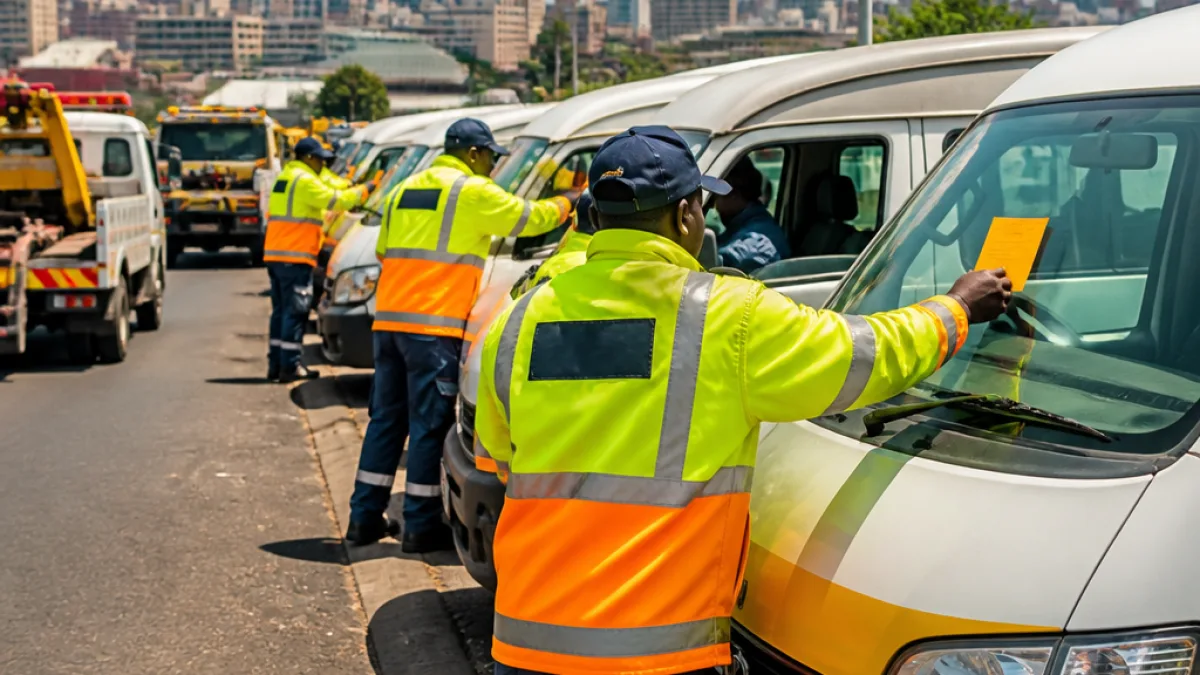
Traffic inspectors in Gauteng removed more than 60 minibus taxis from the roads during a high‑impact stop‑and‑search operation after officers identified serious mechanical defects and a range of licensing breaches, the provincial Roads and Transport MEC said.
Operations target high‑risk corridors
The Gauteng Traffic Inspectorate (GTI), working with the Road Traffic Management Corporation (RTMC), carried out the campaign under the banner #RemoveSkorokoro from 3 to 9 August 2026. The week‑long operation focused on high‑risk public transport corridors across the province’s metropolitan municipalities.
Provincial Roads and Transport MEC Kedibone Diale‑Tlabela said the move was driven by safety concerns after officers discovered a number of vehicles with defects that made them unroadworthy.
“A public transport vehicle that is mechanically unsafe has no place on Gauteng’s roads.”
Inspectors discontinued vehicles where safety systems were compromised. Among the defects identified were faulty brakes, worn tyres and defective lighting systems, all of which raise the risk of collisions and incidents involving passengers and other road users.
Numbers from the operation
Officials provided a summary of the main enforcement outcomes. The operation uncovered widespread non‑compliance with licensing and vehicle safety requirements.
| Outcome | Number |
|---|---|
| Minibus taxis removed from roads | More than 60 |
| Minibuses discontinued during operation | 14 |
| Drivers found without valid driving licences | 48 |
| Vehicles operating without valid licence discs | 43 |
| Discontinuation notices issued to motorists | 20 |
Enforcement not intended to disrupt commuters, says MEC
MEC Diale‑Tlabela defended the removals, saying the action was aimed at preventing avoidable crashes and protecting passengers. She said the department would not compromise on the safety of road users, and urged the taxi industry to act against unlicensed drivers.
The MEC highlighted that discontinuing unroadworthy vehicles was not intended to disrupt public transport but to ensure passengers could use services with confidence.
What the operation found — and what it means for commuters
- Mechanical defects such as faulty brakes and worn tyres directly increase stopping distances and the chance of collisions, particularly on Gauteng’s busy highways and during peak traffic.
- Defective lighting systems reduce visibility at night and in poor weather, heightening risk for pedestrians and other motorists.
- Drivers operating without valid licences present legal and safety concerns; unlicensed drivers may not have the training required to manage emergencies.
For daily commuters who rely on minibus taxis, the short‑term impact may include changed services or longer waits where vehicles were taken off the road. The provincial department and enforcement agencies said removing unsafe vehicles is a necessary step to reduce the number of avoidable crashes.
Calls to the taxi industry
The MEC said the department had engaged with taxi associations and continued to press the industry to clamp down on unlicensed or incompetent drivers. The message was clear: safety checks and lawful driver credentials are non‑negotiable.
Transport authorities did not outline follow‑up measures in detail, but the scale of the operation signals an ongoing enforcement focus in the province. Commuters and operators can expect further inspections on routes deemed high risk.
Passengers who notice vehicles with obvious safety faults or who suspect a driver lacks a valid licence should consider reporting the matter to local authorities or the GTI. Keeping a record of the vehicle’s licence disc number, route and driver details can assist enforcement teams.
As the province continues to confront vehicle safety and licensing challenges, the operation underlines the tension between preserving access to affordable transport and enforcing standards designed to save lives on Gauteng’s roads.