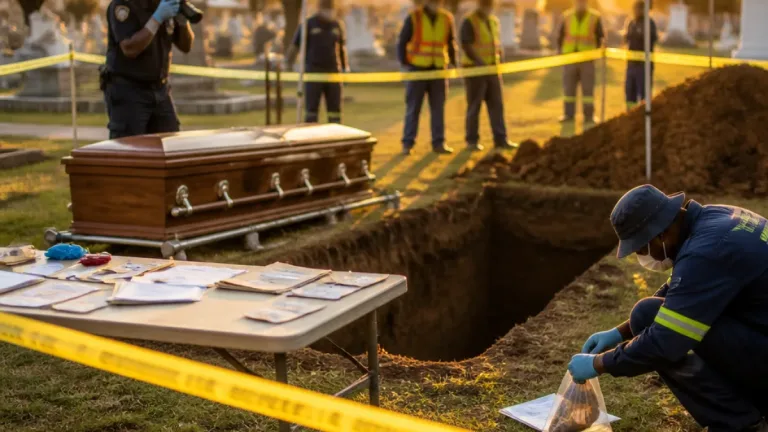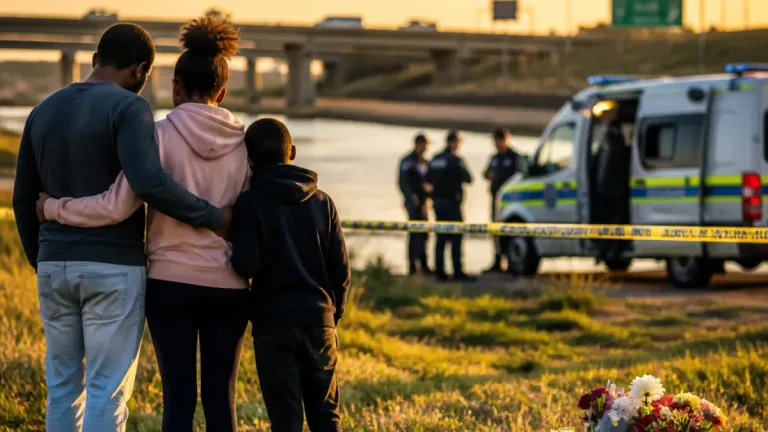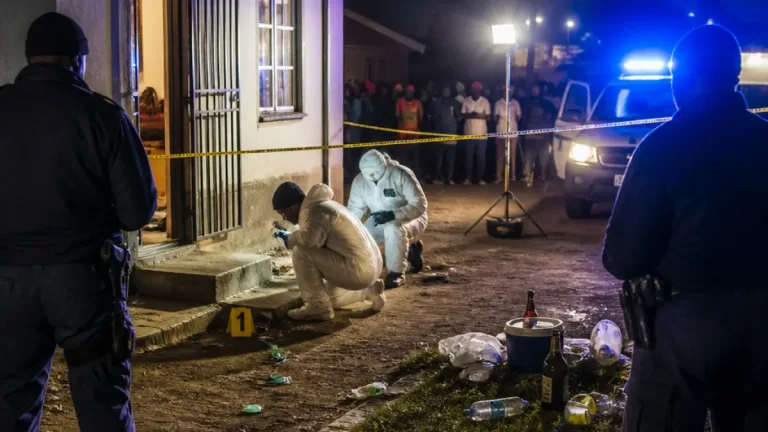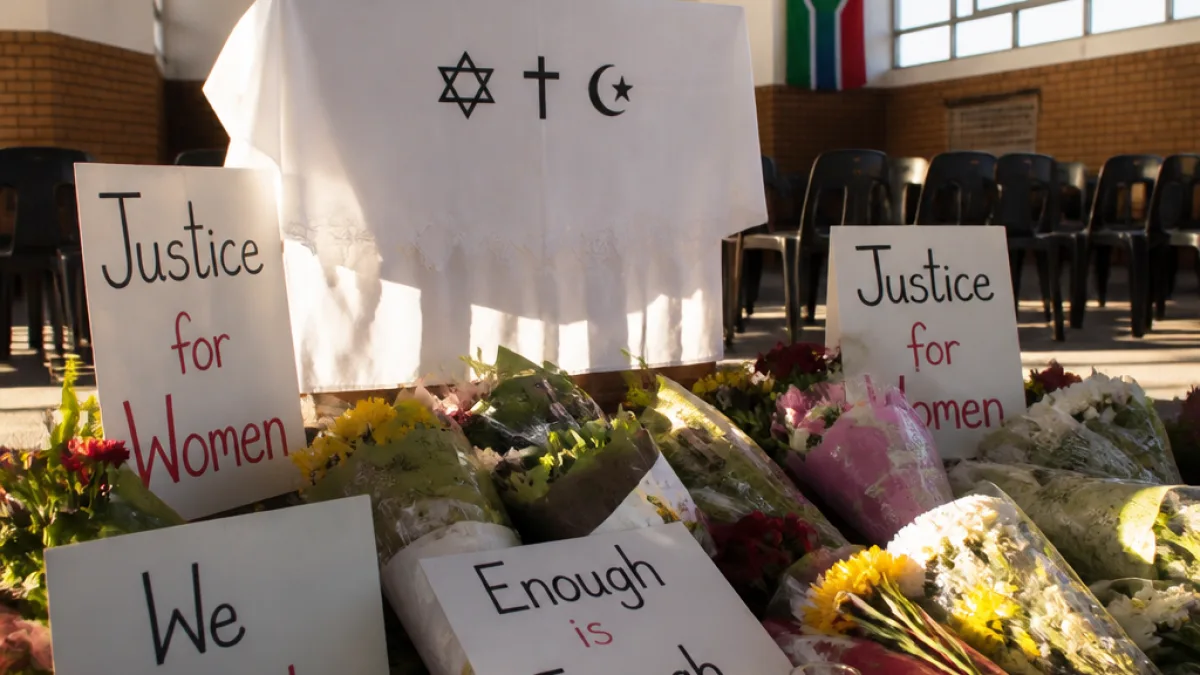
Faith leaders in Gauteng have publicly condemned the discovery of nine women’s bodies in Ekurhuleni since July and urged a broad, sustained response to stem what they called a moral crisis of gender-based violence and femicide.
Religious leaders press for justice and social repair
The Gauteng Interfaith Leadership Council (GILC) met on 22 September to respond after the bodies were found across the metro. The council’s statement was read by Cardinal Stephen Brislin, Archbishop of Johannesburg, and was delivered in the presence of representatives from several faith traditions.
The GILC described the killings as a collective tragedy and urged that investigations be pursued diligently so perpetrators can be brought to justice. It also called for communities, religious bodies, schools and government to play a role in rebuilding respect for human life starting at the family level.
"These women are not statistics," the GILC statement says.
The council emphasised that each victim was a daughter, sister, mother, friend, neighbour and a beloved member of their communities. Drawing on the 2019 Document on Human Fraternity signed by Pope Francis and the Grand Imam of Al-Azhar, the faith leaders reaffirmed the God-given dignity of every person and labelled gender-based violence and femicide as "a profound moral failure and a grave sin against the sanctity of human life."
Named victims and outstanding identifications
The council read out the names of the women identified by the South African Police Service (SAPS). Two other victims remain publicly unidentified pending family notification, the statement said.
| Identified victims | Status |
|---|---|
| Busisiwe Mahlangu | Named by SAPS |
| Itumeleng Kekana | Named by SAPS |
| Nomfesane Mjobo | Named by SAPS |
| Gracious Nkomo | Named by SAPS |
| Elizabeth Moselakgomo | Named by SAPS |
| Dineo Motapane | Named by SAPS |
| Jabulile Ntimba | Named by SAPS |
| Two victims | Not yet publicly identified (family notification pending) |
Community role and police investigations
Faith leaders urged members of the public to assist law enforcement where possible, and to intensify pastoral and social support for affected families. The statement encouraged religious communities to step up efforts to address the cultural and social dynamics that normalise violence, and to support educational and rehabilitative work in schools and neighbourhoods.
Authorities have not released full details of the investigations in the public statement read by Cardinal Brislin. The GILC called for a diligent pursuit of investigations and for perpetrators to be brought to account in line with the law.
Why faith voices matter now
Religious leaders occupy visible positions in many communities across Gauteng, particularly in townships and informal settlements where church networks, mosques and other faith groups are often front-line providers of social support. Their collective statement aims to mobilise moral pressure while also urging concrete cooperation with criminal investigations.
Experts and activists say faith leaders can help shape community attitudes that condone or ignore violence, but they must be joined by visible action from state institutions, civil society and policing to change outcomes on the ground.
- Immediate ask: assist SAPS with information relevant to the investigations.
- Longer-term: strengthen family- and community-level interventions to reduce violence.
- Support for victims: intensify psychosocial services for bereaved families and survivors of gender-based violence.
The deaths have shocked communities across the country and intensified public debate about gender-based violence and femicide. The GILC’s intervention adds a moral and communal voice to calls for action, while emphasising that grieving families and communities must not be reduced to statistics.
As investigations continue, faith leaders said they will press for accountability and for a multi-sectoral effort to rebuild respect for life and safety across Gauteng’s communities.
Reporting from Gauteng.