
The North Carolina Association of Black Lawyers and the North Carolina Highway Historical Marker Program will dedicate a new roadside memorial to George L. Mabson on Saturday at 3:40 p.m. in Wilmington, officials announced.
Honoring a Reconstruction-era leader
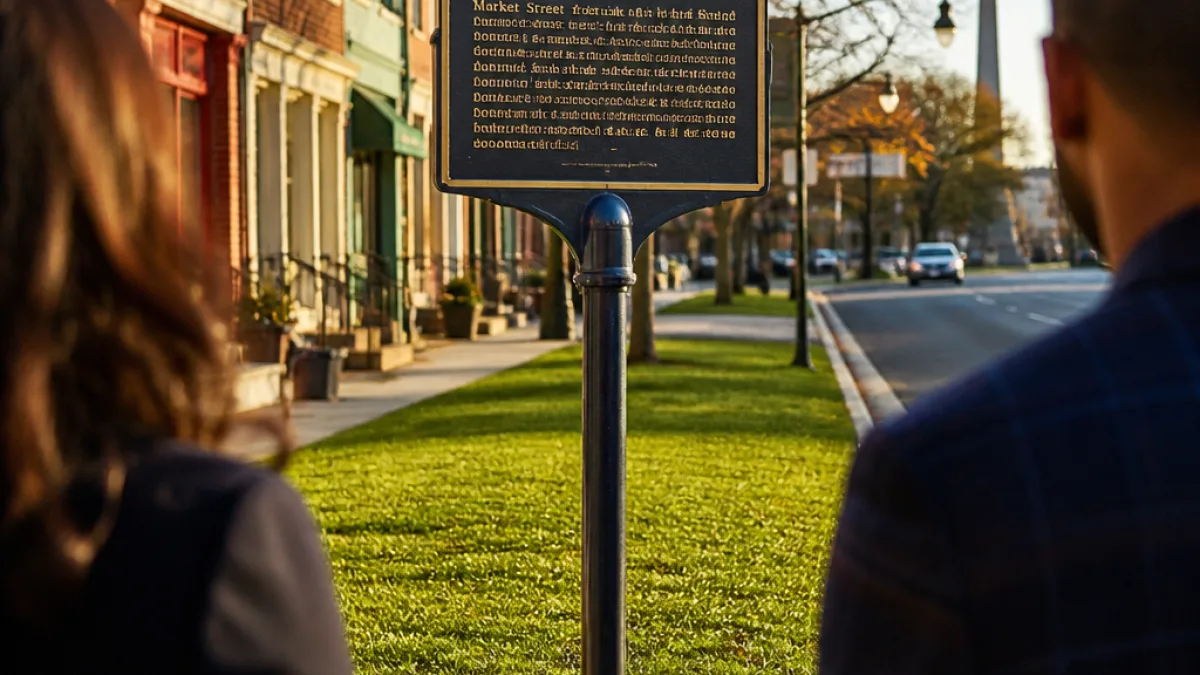
The marker, installed on Market Street between 16th and 17th streets, recognizes Mabson as “Pioneering Black lawyer” who practiced in North Carolina and whose license was granted in 1871. The inscription also notes he served as a state representative and senator and calls him a civil rights advocate. Mabson’s grave is a short walk from the marker, in Pine Forest Cemetery, about five blocks to the north.
Organizers said the brief wording is designed to fit the small metal sign while meeting the standards of the committee that reviews and approves marker applications. But they also acknowledged that a single sign can only hint at the complexity of Mabson’s life and career.
What the marker says
| Text |
|---|
| "George L. Mabson 1846-1885: Pioneering Black lawyer practiced in N.C. His license granted in 1871. State rep. & senator, civil rights advocate. His grave is 5 blocks N." |
Why Mabson matters locally
Mabson emerged as one of the most important Black public figures in North Carolina during Reconstruction, the era that followed the Civil War and the federal troop withdrawal in 1877. He worked across law, politics and both civil and military service—roles that directly challenged the racist structures of his time and helped create openings for African Americans in public life.
The new marker is the result of research and advocacy by local historians and attorneys. The effort gained momentum in June 2025 when attorney James Williams Jr., a retired public defender turned public historian, sought research assistance from Third Person Project, a Wilmington-based historical nonprofit, while preparing Mabson’s marker application. Williams has previously worked to honor other early Black lawyers across the state at the county level.
Local and historical context
Historians say commemorative markers like this one are part of a broader movement to make public memory more inclusive. In recent years, communities across North Carolina have pursued highway markers, plaques and other commemorations that reflect the full, often overlooked contributions of Black residents and leaders.
Supporters say the Market Street location places Mabson’s story in the public eye near sites associated with his life and final resting place. They hope the marker will spur more curiosity and further research into local Reconstruction history and the trajectories of Black civic leaders in the post-Civil War South.
- Marker dedication: Saturday, 3:40 p.m., Market Street between 16th and 17th streets.
- Inscription highlights: Licensed 1871; state representative and senator; grave five blocks north at Pine Forest Cemetery.
- Organizers: North Carolina Association of Black Lawyers and the North Carolina Highway Historical Marker Program.
What remains to explore
While the marker provides a concise summary, historians emphasize that Mabson’s life cannot be fully captured in a few lines. The public unveiling aims not only to mark his achievements but also to encourage deeper engagement with primary sources, archival records and local scholarship that illuminate his legal work, political service and advocacy.
Those attending the dedication can visit Pine Forest Cemetery nearby to see Mabson’s grave and consider the broader historical landscape in which he lived and worked. Organizers say the ceremony represents one step in ongoing efforts to document and honor the state's diverse historical figures.
This marker joins a growing roster of official recognitions intended to broaden the stories told on North Carolina’s roadside signs, providing travelers and residents a prompt to remember a Reconstruction-era leader whose work shaped law and civic life in the state.


















