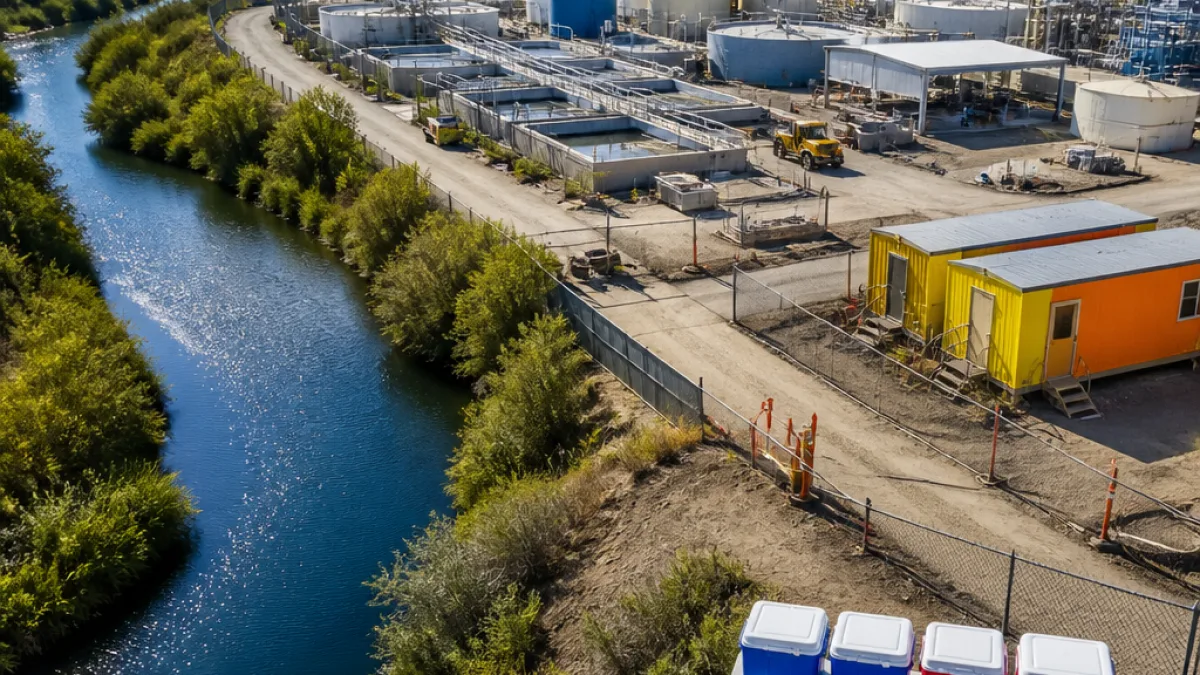
Veolia Water Delaware Inc. filed a lawsuit in Delaware Superior Court this week asking for more than $35 million from nine companies it says contaminated water sources used to supply drinking water to customers in northern Delaware.
Allegations target manufacturers, processors
The complaint names multiple firms, including Ametek Inc., Syensqo Specialty Polymers USA LLC (formerly Solvay Specialty Polymers), Solvay Solexis Inc. and FMC Corp., and alleges those companies manufactured, used or disposed of PFAS — so-called “forever chemicals” — into watersheds that supply the Stanton Water Treatment Plant.
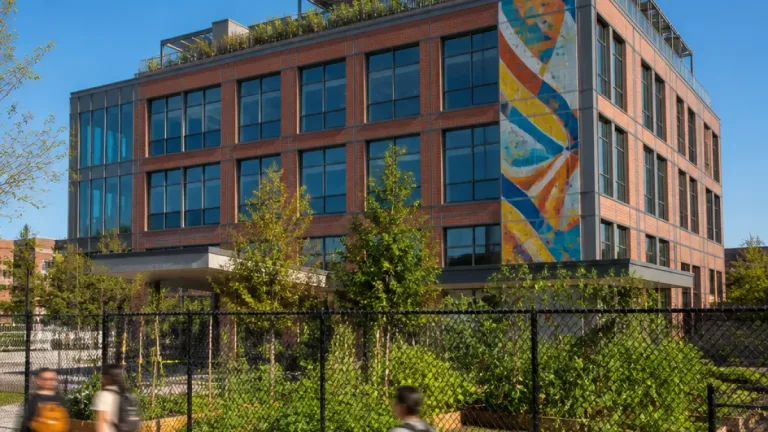
Veolia operates the Stanton plant and says contamination forced the utility to undertake significant treatment upgrades and other measures to protect drinking-water customers. The company serves about 100,000 residents in New Castle County.
Claims cite failures to prevent or disclose risks
According to the lawsuit, the defendants “failed to take any or sufficient actions to remedy such harm or to disclose the risks to regulators, Veolia, or the Delaware public,” alleging they should have known their operations could release PFAS into the environment.
“Each of the Defendants reasonably should have known that they were releasing potentially toxic PFAS into the environment through their operations and use of PFAS at several industrial sites throughout Delaware, but the Defendants failed to take any or sufficient actions to remedy such harm or to disclose the risks to regulators, Veolia, or the Delaware public.”
The complaint links industrial activity along waterways such as the Red Clay Creek — a source that provides roughly one-third of Veolia’s supply — and the White Clay Creek, which state environmental regulators have previously identified as having high levels of PFAS contamination.
Local response and remediation steps
Veolia has already invested in treatment to remove PFAS from drinking water in New Castle County. Last year the company announced a $35 million treatment system intended to reduce PFAS levels for its ratepayers.
The current lawsuit seeks recovery of past and future costs that Veolia attributes to the contamination, including the expense of upgrading the Stanton plant and other remedial actions.
Why PFAS matter for consumers
Per- and polyfluoroalkyl substances are persistent in the environment and have been linked in scientific studies to health concerns, including some cancers and other chronic conditions. Because PFAS do not readily break down, contamination can persist in soil and water for years, complicating cleanup and treatment efforts.
State and federal agencies have been grappling with how to regulate PFAS and how to allocate responsibility for cleanup costs. This lawsuit adds a private-sector legal claim to a broader mix of regulatory and civil actions nationwide targeting PFAS manufacturers and users.
Practical implications for residents
For customers of the Stanton plant and other Veolia-served areas in New Castle County, the immediate public-health guidance remains to rely on treated municipal water unless officials issue advisories. The utility’s investments in treatment are intended to keep drinking-water supplies within safe limits as defined by regulators.
Residents with concerns about testing, treatment or their water bills can contact Veolia customer service or the Delaware Department of Natural Resources and Environmental Control for current guidance and testing information.
Case specifics and next steps
The suit is pending in Superior Court. Veolia’s complaint seeks monetary recovery for remediation and related costs but does not by itself determine liability; that will be decided through litigation or settlement. Not all named defendants had responded to requests for comment at the time the suit was filed.
How courts apportion responsibility in PFAS cases has significant consequences for utilities, ratepayers and manufacturers. This litigation will be watched closely by other water suppliers and communities confronting PFAS in their watersheds.
| Item | Figure / Note |
|---|---|
| Veolia customers served (approx.) | 100,000 residents in New Castle County |
| Amount sought in lawsuit | More than $35 million |
| Major water sources cited | Red Clay Creek (≈ one-third of supply); White Clay Creek |
- Companies named include Ametek, Syensqo (formerly Solvay), Solvay Solexis and FMC.
- PFAS are persistent chemicals linked to health risks, prompting treatment upgrades and legal actions nationwide.
- Veolia has already deployed a multimillion-dollar treatment project to address PFAS in New Castle County water.
The case will proceed through the Delaware courts, and any rulings or settlements could shape how costs and responsibilities for PFAS contamination are allocated across the region. For now, municipalities, regulators and ratepayers remain focused on treatment and monitoring to ensure drinking water safety.