
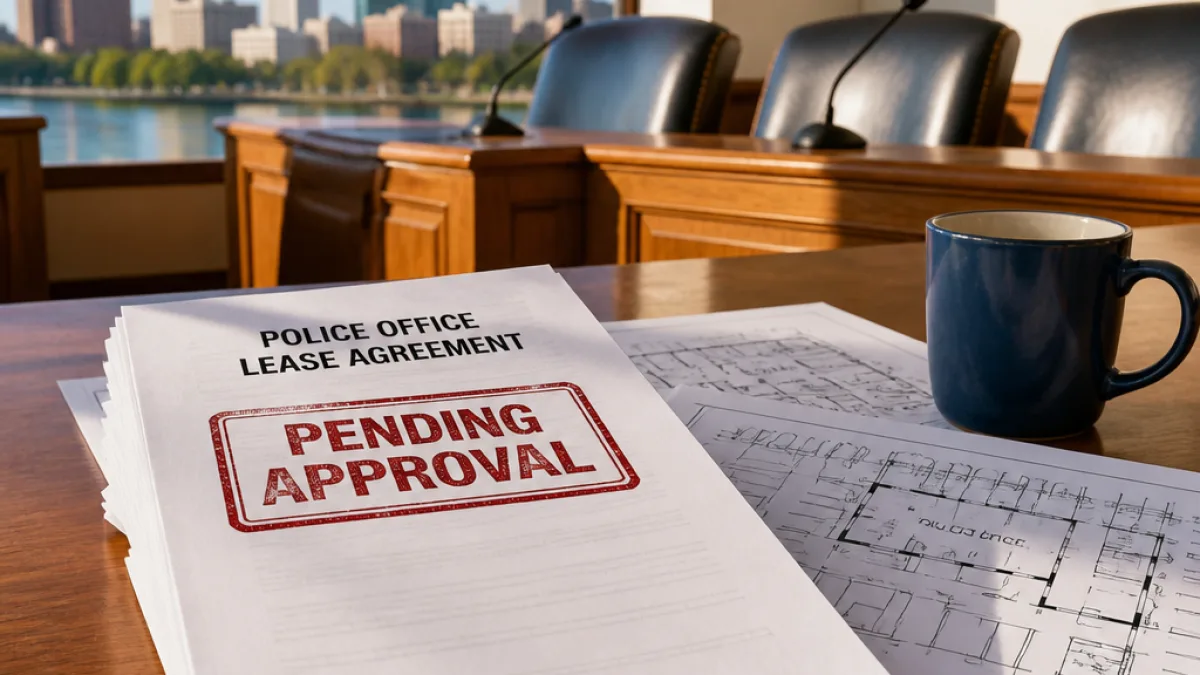
Council asked to sign lease for new police office
The Toledo City Council has been asked to sign a lease for a new police office, city officials confirmed, setting in motion a review and approval process that will determine whether the department relocates or expands operations under a leased arrangement.
The request, presented to council in recent meetings, seeks authorization for city leaders to enter into a lease agreement for space to be used by the police department. The proposal now awaits formal consideration by council members, who will weigh public-safety needs, fiscal impacts and logistical details before deciding whether to approve the contract.
"Toledo City Council asked to sign lease for new police office"
Lease agreements for municipal facilities are typically evaluated on multiple fronts, including the following points that council will likely address:
- Operational impact: How the leased space would affect police services and department workflows.
- Financial terms: The duration of the lease, annual costs and potential effects on the city budget.
- Location and community access: Proximity to neighborhoods, response times and visibility for residents.
- Duration and flexibility: Options for renewal, termination clauses and space adaptation.
- Transparency and oversight: Public disclosure of lease terms and council oversight of the contract.
What council approval would mean
Should the council approve the lease, the city would be authorized to finalize a contractual relationship with the property owner and proceed with occupancy or renovations as outlined in the agreement. Approval would also commit the city to whatever financial obligations are contained in the lease for its duration, subject to budgetary controls and future appropriations.
Conversely, if council declines to sign the lease or requests renegotiation, the city would remain in its current facilities arrangement while officials explore alternatives. Those alternatives could include seeking a different leased space, pursuing capital investments in municipal property, or adjusting department operations to fit existing facilities.
Context for Toledo residents
Decisions about police facilities influence more than departmental logistics; they play a role in community policing strategies, neighborhood presence and public perception. For residents, important considerations include whether a leased office will improve access to police services, shorten response times in targeted areas or provide specialized spaces for community engagement and investigative work.
Council members frequently balance immediate operational needs against long-term fiscal responsibility. Leases can offer quicker access to space than new construction, but they may also lock a municipality into multi-year obligations that affect future budgets. The public process for lease approval provides an opportunity for residents and neighborhood leaders to ask questions and offer input at council meetings.
| Item | Status |
|---|---|
| Request to sign lease | Presented to council |
| Council action | Pending |
City officials and council staff will provide council members with the lease document and related materials prior to a vote. Those materials typically include the lease terms, cost projections and any planned modifications to the space. The council’s schedule for public discussion and a potential vote will determine how quickly the department can move forward if the lease is approved.
Residents seeking details or wishing to comment should monitor council agendas and public notices, which outline meeting dates and provide access to proposed contracts. As the council considers the proposal, additional reporting will track the document’s specifics, fiscal implications and how the decision might shape police operations in Toledo.