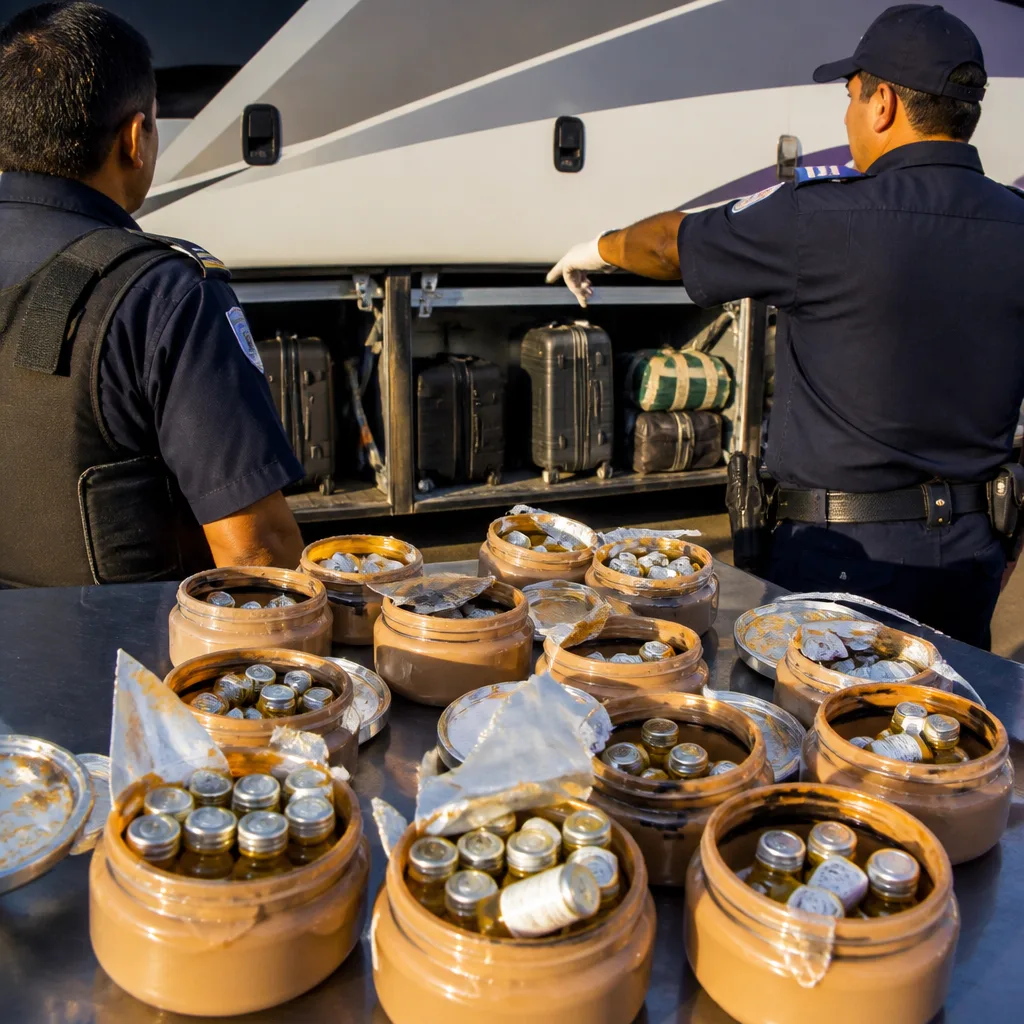
Customs officers in Brazil uncovered more than 2,500 vials of tirzepatide concealed inside jars of dulce de leche during a routine bus inspection earlier this year — a seizure officials say was among the largest of weight‑loss drugs discovered in the country. That find, described by authorities, is part of a broader and growing trend: official reports, investigative accounts and market analyses show an expanding black market for GLP‑1 receptor agonists such as tirzepatide and semaglutide, the active ingredients in Mounjaro and Wegovy.
Hidden shipments, visible harms
Brazilian customs have found slimming medications in a variety of inventive hiding places, including motorcycle exhaust pipes and false shoe soles, signaling organized efforts to move these drugs across borders. Health officials and experts warn the diversion of these medicines — and widespread use of unregulated formulations — may be linked to mounting health problems across the country.
Between 2018 and mid‑August 2026, authorities in Brazil recorded 83 deaths under investigation and more than 3,600 complications associated with weight‑loss drugs, with more than 60% of those complications reported in 2025 and 2026. Reuters, reporting on the issue, said it could not independently establish the role that unauthorized GLP‑1 versions may have played in those deaths and complications.
Market forces and access gaps
Analysts say a combination of cultural and economic factors helps explain the surge in demand. A beauty‑conscious culture, constrained purchasing power for many consumers and what observers describe as weak law enforcement in some areas have pushed people toward smuggled or custom‑mixed injections supplied through informal channels.
Investment bank Itau BBA projected Brazil’s weight‑loss drug market this year at about $7 billion, and estimated that roughly 51% of those sales will come from pharmacies that prepare custom‑mixed medications and from products smuggled across the border from Paraguay. Authorities have identified Paraguayan imports — including a product known locally as T.G. that Brazilian regulators have not vetted — as part of the supply chain for many buyers who say the risks are acceptable given the cost or lack of legal access.
"There is always some fear," said one buyer, who told reporters she purchases an unvetted Paraguayan product. "But we do it."
Public health officials warn that unregulated, untested formulations risk contamination, incorrect dosing and other safety problems. The presence of large quantities of active pharmaceutical ingredients in unauthorized circulation also raises concerns about counterfeit products that may contain incorrect or harmful substances.
Regulatory and clinical implications
The growing informal market complicates clinical oversight. When patients obtain injections outside of regulated channels, physicians may not be aware of what product or dose a patient has received, complicating diagnosis and treatment when adverse reactions occur. Authorities say tracking and investigating complications has become more difficult as the proportion of cases tied to informal products has risen.
- Seizure example: More than 2,500 vials of tirzepatide found hidden in dulce de leche jars.
- Reported harms: 83 deaths and 3,600+ complications recorded from 2018–mid‑Aug 2026.
- Market estimate: $7 billion market in 2026 with about 51% from custom‑mixed and smuggled products.
| Metric | Figure |
|---|---|
| Seizure (example) | ~2,500 vials |
| Deaths under investigation | 83 (2018–mid‑Aug 2026) |
| Reported complications | 3,600+ |
| Estimated 2026 market | $7 billion |
Brazilian authorities and public‑health experts have urged stronger enforcement and better public education about the risks of buying and using unregulated medications. At the same time, analysts note that high demand for GLP‑1 drugs globally has strained supplies and increased incentives for smuggling and unauthorized production.
The unfolding situation in Brazil underscores broader questions for health systems worldwide: how to expand safe access to effective therapies while preventing harm from unregulated products, and how to monitor adverse events when substantial portions of a market operate outside formal regulatory control. For now, customs seizures and growing numbers of reported complications serve as warning signs of the challenges that follow rapid demand for powerful new medications.