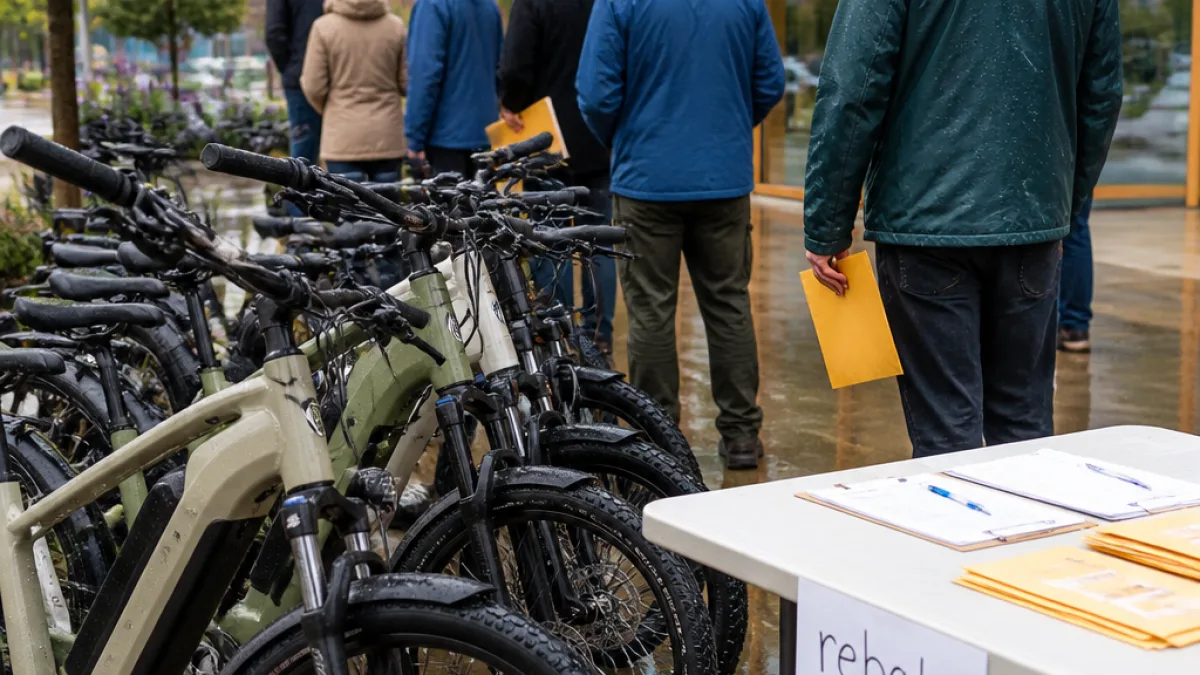
Portland officials are using the Portland Clean Energy Community Benefits Fund to make electric bicycle rebates available to low-income residents through a lottery system, a program local reporting shows. The initiative, highlighted in regional media and summarized by national outlets tracking urban policy trends, is intended to improve access to cleaner, more affordable transportation for Portlanders with limited incomes.
Rebates targeted through lottery, with a tight redemption window
According to reporting in the Portland Mercury and a roundup of urban policy coverage, the rebates are allocated by lottery and recipients must use them within 60 days of notification. The structure is designed to distribute limited funds to people who otherwise could not afford an e-bike, but the short timeframe to redeem the award has raised questions about whether everyone who wins will be able to complete a purchase in time.
Local recipients interviewed by the Mercury described meaningful changes to daily life after acquiring e-bikes through the program, including easier access to jobs, reduced transit costs and greater mobility for errands and caregiving. Coverage framed the program as part of a broader movement to pair climate and equity goals by subsidizing low-emission modes of transport for residents who need them most.
- Funding source: Portland Clean Energy Community Benefits Fund (PCBF)
- Distribution method: Lottery for low-income residents
- Redemption period: 60 days
While the program has received positive attention for expanding access to e-bikes, advocates and urban policy observers have pointed to operational hurdles. Administrative steps such as selecting an authorized vendor, scheduling a test ride or securing the correct model and accessories can take time — complicating attempts to meet a two-month deadline.
| Program feature | Details |
|---|---|
| Target population | Low-income Portland residents (lottery-based) |
| Use window | 60 days from notification |
| Administered through | Portland Clean Energy Community Benefits Fund |
City officials have emphasized the program’s role in the Clean Energy Fund’s broader priorities, which include supporting investments that reduce greenhouse gas emissions while directing benefits to neighborhoods and households that have historically faced higher barriers to accessing clean transportation. Local coverage of recipients’ experiences suggests tangible benefits, but also highlights the program’s administrative limits.
Transportation planners and advocates say e-bikes can increase the effective range of bicycling for many Portlanders, enabling commutes and trips that might otherwise require a car or lengthy transit connections. For low-income households, the subsidies reduce an up-front cost barrier. Still, the success of the program depends on whether winners can convert rebates into purchased bikes within the program’s time constraints, and whether those bikes are the right fit for their needs.
As Portland continues to pilot and expand equity-focused climate measures, observers will be watching how the city adjusts program rules and outreach to ensure that rebates translate into lasting mobility gains for the intended residents. The immediate response from beneficiaries, as reported locally, has been positive, with recipients describing improvements in daily logistics and household budgets after getting an e-bike.
Future coverage will likely track both individual outcomes and administrative refinements, including whether the city modifies the redemption period or works with vendors and community groups to streamline the purchase process for winners.