LINCOLN — Nebraska health officials have confirmed the state's first death linked to West Nile virus (WNV) for the 2026 mosquito season, recorded in Lancaster County, as testing shows WNV activity increasing across the state.
Statewide activity and risk groups
According to state data, mosquito testing indicates WNV activity is now considered very high statewide, with the most intense activity observed in eastern and central Nebraska. Over the past five years, Nebraska has averaged about six WNV-related deaths annually.
Health officials remind residents that while many people infected with WNV do not develop symptoms, certain groups face a greater likelihood of severe illness. Those aged 50 and older and people with weakened immune systems are at increased risk. Typical symptoms can include fever, headache and body aches, while severe infections may lead to confusion, paralysis, seizures or coma.
How common are symptoms and severe cases?
Public-health guidance stresses the range of outcomes following infection. The state reiterates the widely cited clinical estimates about illness frequency:
- Most infected people: no symptoms
- About 1 in 5: develop fever and other mild symptoms
- About 1 in 150: develop serious, potentially fatal illness
| Outcome | Approximate Frequency |
|---|---|
| No symptoms | Majority of infections |
| Mild illness (fever, aches) | About 20% |
| Severe neurologic illness | About 0.7% (1 in 150) |
Prevention steps recommended by DHHS
With no vaccine or specific antiviral treatment for WNV, the Nebraska Department of Health and Human Services (DHHS) emphasizes personal and community prevention measures to reduce mosquito bites and breeding sites. Officials recommend the following:
- Use an EPA-registered insect repellent containing one of these active ingredients: DEET, picaridin (KBR 3023), IR3535, oil of lemon eucalyptus, para-menthane-diol or 2-undecanone. When used as directed, these repellents are considered safe and effective, including for pregnant and breastfeeding women.
- Wear long-sleeved shirts and long pants, especially during dawn and dusk when mosquitoes are most active.
- Treat clothing and gear with 0.5% permethrin or purchase permethrin-treated apparel; do not apply permethrin directly to skin.
- Install and repair window and door screens and use air conditioning when available.
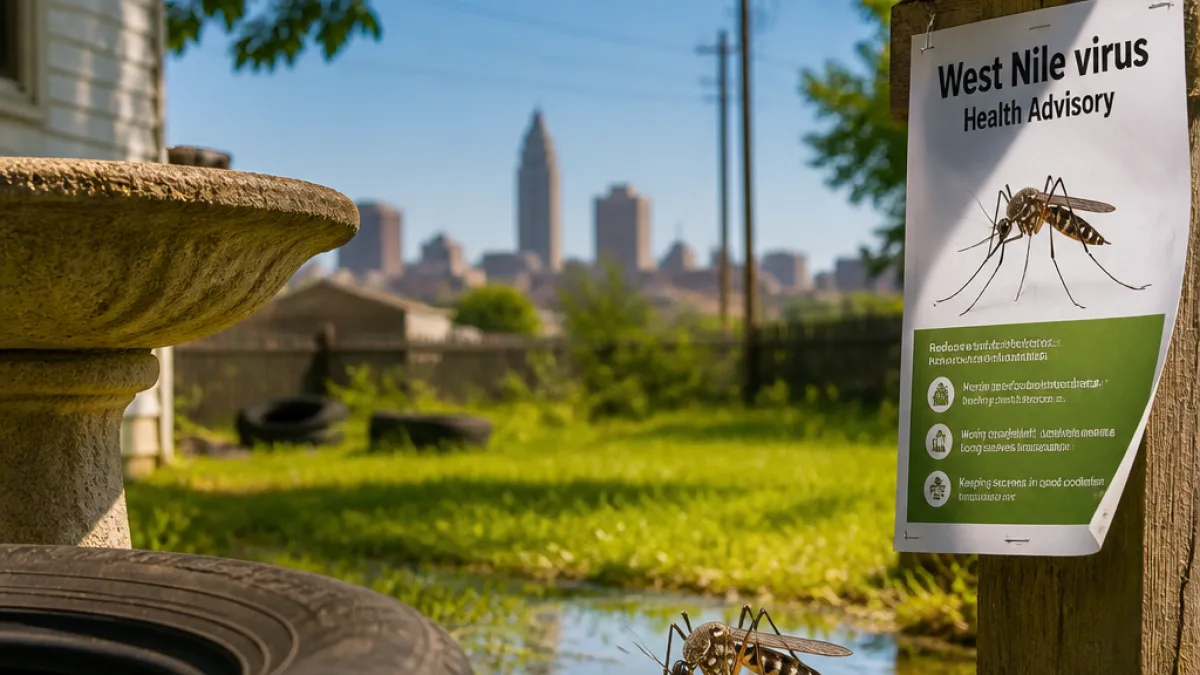
- Eliminate standing water weekly by emptying, scrubbing, turning over, covering or discarding containers that hold water—examples include tires, buckets, planters, toys, pools, birdbaths and trash containers.
What this means locally
Lancaster County residents should be particularly vigilant given the confirmed death in the county and the broader uptick in mosquito infection rates. Local public-health offices typically coordinate mosquito-control efforts and may issue additional guidance or targeted spraying if surveillance data indicate concentrated risk.
Clinicians are advised to consider WNV in patients presenting with compatible symptoms during mosquito season, particularly in older adults and those with immunosuppression. Because there is no specific antiviral therapy for West Nile, management focuses on supportive care for severe cases.
Practical advice for Nebraska families
Households can reduce risk by keeping yards free of standing water and ensuring children’s outdoor items do not collect rainwater. When spending time outdoors at dawn or dusk, protective clothing and EPA-registered repellents lower the chance of bites. Travelers and outdoor workers should adhere to these precautions consistently throughout the mosquito season.
The DHHS encourages Nebraskans who have questions about WNV risks or local mosquito-control actions to contact their county health department for up-to-date information and resources.
Reporting on public-health developments will continue as state testing and surveillance data are updated.