
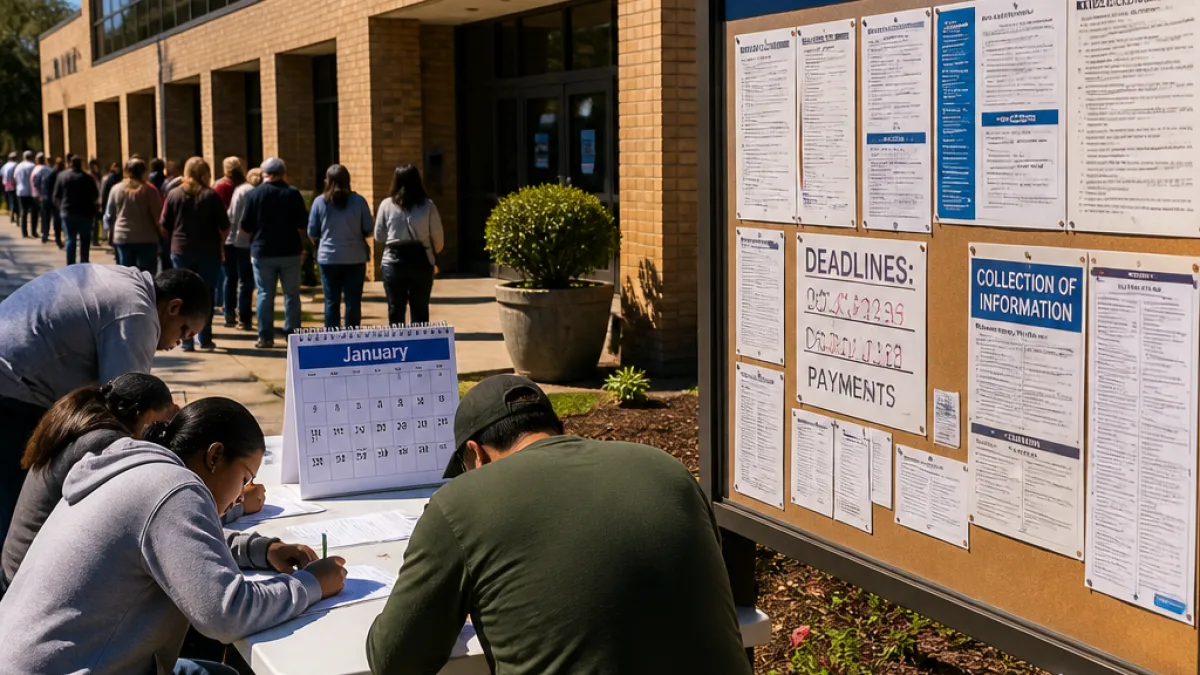
BATON ROUGE — Louisiana’s Department of Health has advanced proposed rules that would impose work-related requirements on many adults enrolled in Medicaid, setting up a policy change that officials say will take effect in January if it clears remaining legal steps.
What the rules would require
The draft regulations would require most Medicaid recipients between ages 19 and 65 to meet one of several obligations to remain eligible. Under the proposal, enrollees would need to either:
- earn at least $580 per month,
- complete at least 80 hours per month of work or volunteer service, or
- attend school or participate in job training part time.
The state published the proposed rules in July and accepted public comment through August. Officials say the regulation would begin in January, pending additional administrative and legal approvals.
Exceptions and protections
The proposal includes several exemptions. Among them, adults who aged out of the foster care system would retain Medicaid coverage through age 26 regardless of whether they meet the new work standards. The rules also allow for other exceptions, though the state has not released a comprehensive list in the materials published with the proposal.
State analyses flag economic and social impacts
Alongside the proposed regulations, the state released financial projections and program analyses. A fiscal estimate published with the rulemaking predicts health-care providers will see revenue reductions tied to coverage losses: roughly $14 million in the current fiscal year and about $88 million in the fiscal year beginning July 1, 2027.
| Fiscal year | Estimated provider revenue loss |
|---|---|
| Current fiscal year | $14 million |
| Fiscal year starting July 1, 2027 | $88 million |
Beyond fiscal forecasts, state-prepared analyses warned the new requirements would have a “negative impact” on family functioning, stability and autonomy, and could increase the state poverty rate.
Critics warn paperwork, not unemployment, will drive losses
Advocates and public policy groups contend the new requirements will lead to coverage loss for people who are eligible but unable to navigate reporting systems. Jan Moller, executive director of Invest in Louisiana, said administrative hurdles commonly cause disenrollment.
“Most people who lose coverage [due to work requirements] end up losing it for paperwork reasons … not because they aren't working or refuse to work,”
Advocates also argue that the policy may disproportionately affect those with unstable schedules, intermittent work, transportation barriers or health conditions that make meeting hourly requirements difficult.
Federal context and next steps
Louisiana’s proposal largely follows guidance outlined last year by Congress and President Donald Trump, according to the state summary. That federal direction opened the door for states to seek approvals for work requirements tied to Medicaid eligibility.
The state must complete additional administrative steps and could face legal challenges before the rules take effect permanently. Opponents have previously contested similar programs in other states, and courts have at times blocked such requirements on legal grounds.
What this means for residents and providers
If implemented, the policy could mean periodic eligibility verifications and documentation duties for many adult enrollees. Healthcare providers, particularly safety-net hospitals and clinics, may see higher rates of uncompensated care if patients lose coverage, according to the state’s own fiscal estimate.
Individuals who rely on Medicaid for regular care should monitor notices from the Louisiana Department of Health and review guidance on reporting and exemptions once the final rules are published. The public comment period closed in August; the state has not released a timeline for final adoption beyond the projected January start date.
The move marks a significant shift in how Louisiana administers its Medicaid program and places the state at the center of a broader national debate over work requirements, health coverage and administrative access for low-income residents.