A judge on Saturday refused to grant a new trial for Karmelo Anthony, who was convicted in June for the fatal April 2025 stabbing of 17-year-old Austin Metcalf at a high school track meet. The ruling leaves in place a 35-year prison sentence that followed the jury verdict.
Order brief, appeal expected
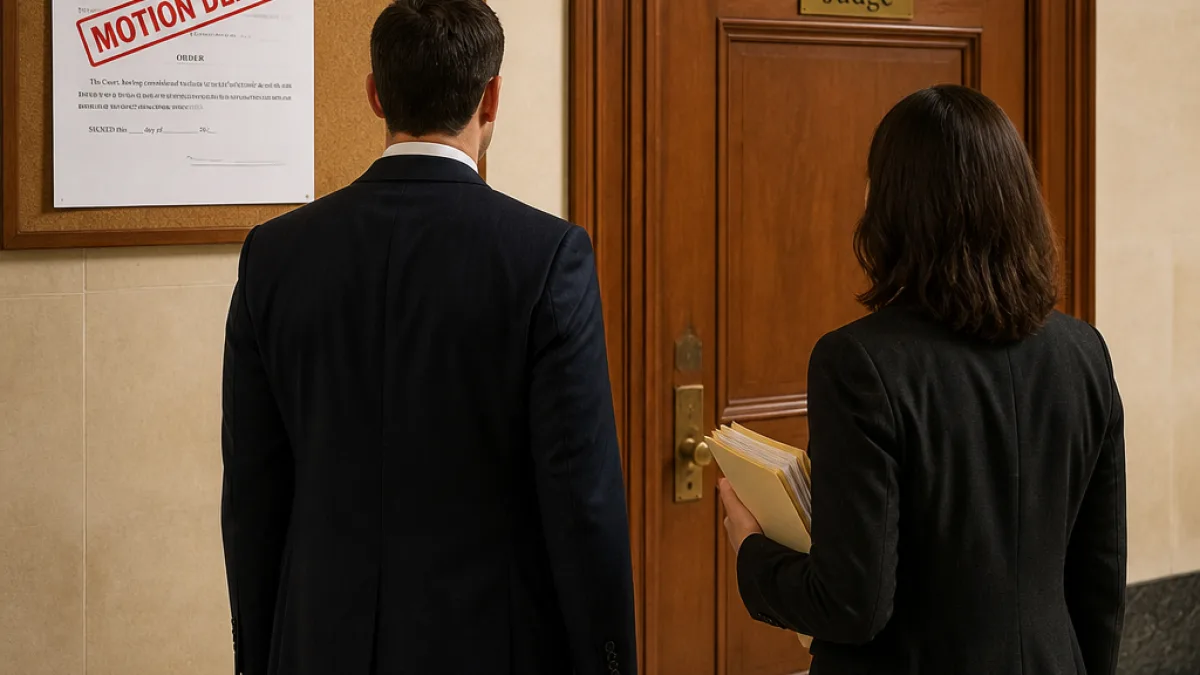
Judge Michael Chitty issued a half-page order denying the motion for a retrial after a two-day hearing earlier this week near Dallas. The order did not elaborate beyond stating that the court had reviewed the evidence and arguments presented. Defense attorney Russell Wilson said his team will appeal.
“Our commitment to our client has not changed. We will continue to advocate vigorously on his behalf through every lawful avenue available.”
Prosecutors defended the fairness of the original trial. Collin County District Attorney Greg Willis said he respected the court’s decision and expressed continued confidence in the jury’s verdict. Prosecutor Bill Wirskye also told the court this week that the trial had been conducted fairly.
Why the defense sought a new trial
The defense argued for a retrial on several grounds presented at the postconviction hearing. Among their claims were that restrictive courtroom rules imposed by the trial judge — Judge John Roach — limited public access to the proceedings. Defense lawyers also asked for Roach’s recusal, pointing to a posttrial television interview in which they say Roach told a Dallas station the jury “got it right.”
Judge Roach has maintained that his courtroom procedures were necessary to ensure a fair trial. Prosecutors, similarly, said the judge acted appropriately and did not undermine public access or impartiality.
Case background and community reaction
The April 2025 encounter in the bleachers at a high school track meet left Austin Metcalf, 17, dead and drew national attention. Media coverage and a wave of social media posts amplified the case, bringing renewed scrutiny to how race and online commentary intersect with local criminal cases. Anthony is Black; Metcalf was white. Attorneys for both sides told jurors during the trial that the dispute was not about race.
Defense claims at trial included that Anthony was acting in self-defense during a confrontation. The jury rejected those arguments and returned a guilty verdict in June.
Local impact and next steps
The denial of a retrial does not end the legal process. Anthony’s lawyers signaled they will press the case through appeals. The public and the families involved remain engaged, and prosecutors noted their thoughts were with the Metcalf family following the hearing.
- Conviction and sentence: Guilty verdict in June; 35 years in prison.
- Judge’s action: Michael Chitty denied the motion for a new trial in a brief order.
- Defense plan: Appeal expected; defense argued courtroom restrictions and a judge's posttrial comments warranted relief.
Key dates
| Date | Event |
|---|---|
| April 2025 | Stabbing of 17-year-old Austin Metcalf at a high school track meet |
| June 2026 | Jury convicted Karmelo Anthony; sentenced to 35 years |
| Aug. 2026 | Judge Michael Chitty denied motion for new trial following two-day hearing |
Local court watchers and civil rights advocates have followed the case closely because it raised questions about courtroom access, media coverage and the influence of social media on high-profile criminal matters. Attorneys on both sides acknowledged the case became a lightning rod online, with some family members reporting harassment in the aftermath.
As appeals proceed, the legal arguments are likely to pivot from requests for a new trial to the statutory and procedural issues appellate courts consider — whether trial rulings or conduct materially affected the fairness of the trial or the verdict. For now, the conviction and 35-year sentence remain in force while higher courts review any filings the defense pursues.
The denial underscores that, at least at the trial-court level, judges and prosecutors believe the initial proceedings met legal standards, while the defense maintains it will continue to contest the outcome through the appeals process.
Reporting from Collin County courts continues as attorneys prepare their next filings.