
JACKSON — Jackson State University is intensifying efforts to join the nation’s highest ranks of research institutions, a bid its leaders say would deliver academic prestige, larger federal awards and economic gains for the city and state.
Research projects anchor an ambitious goal
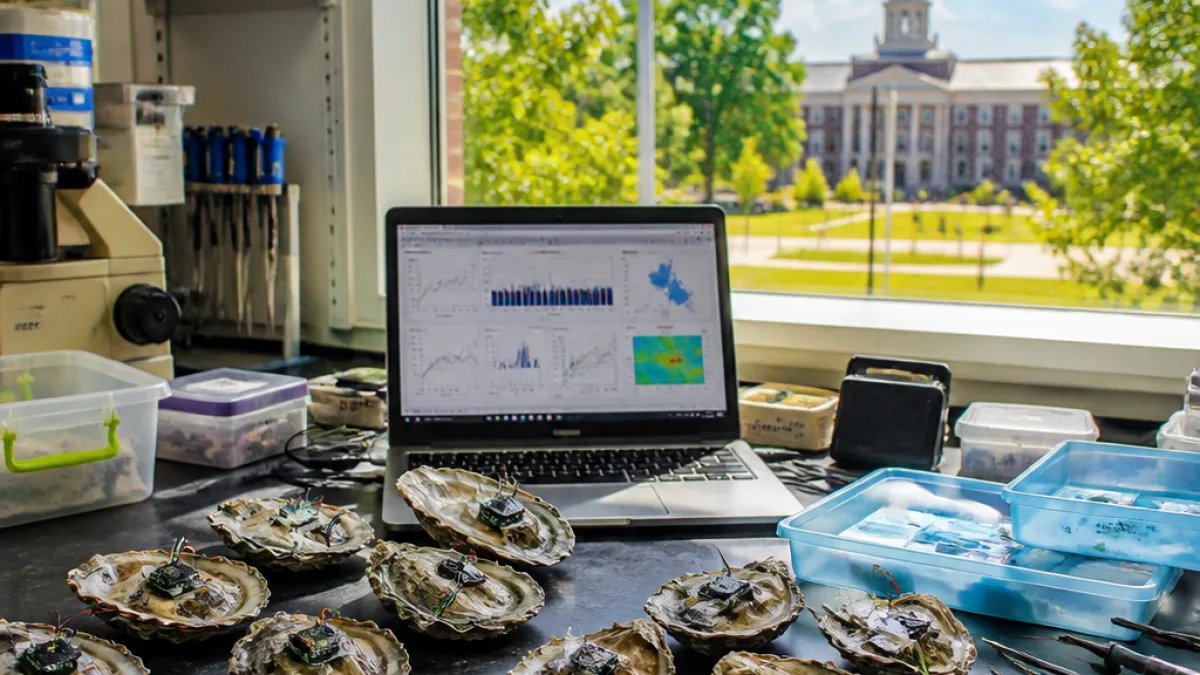
Faculty and students at Jackson State spent part of this summer experimenting with ocean-dwelling test subjects and miniature electronics as they developed sensors that affix to oyster shells to monitor environmental responses. The project is one of roughly 400 research efforts under way at the university and is housed within the Mississippi-based RESTORE Act Center of Excellence, known as MBRACE.
The oyster sensor work, led by the Department of Electrical and Computer Engineering, illustrates the hands-on, multidisciplinary research Jackson State officials say they intend to scale. Leaders contend that growing these kinds of projects will help the university attract top scholars, secure larger federal grants and increase its national visibility.
What it takes to break into the top tier
Jackson State is pursuing classification among the top research universities as defined by higher education authorities. The threshold is stringent and would require substantial expansion of current research activity.
| Requirement | Benchmark |
|---|---|
| Annual research and development spending | $50 million |
| Research doctoral degrees awarded annually | 70 doctorates |
| Recent targeted grant supporting MBRACE | $26 million over 15 years |
Coalitions and partnerships
In April, Jackson State joined a newly formed Association of HBCU Research Institutions alongside 13 other historically Black colleges and universities. The coalition aims to strengthen HBCUs’ capacity to compete for larger grants and to build collaborations with nationally recognized research universities. Harvard University will provide support to the group, and Howard University remains the only HBCU currently classified at the highest research tier.
“As JSU succeeds, so does the city of Jackson and the state of Mississippi, and the collaboration positions us to drive meaningful economic growth and transformative discovery at scale,”
The comment came from Jackson State President Denise Jones Gregory, underscoring the administration’s argument that research expansion will have spillover effects on regional economic development.
Local benefits and student opportunities
University officials say boosting research capacity will create tangible opportunities for students in the Jackson area, from hands-on lab work to pathways into graduate training and research careers. The oyster sensor project, for example, pairs electrical engineering methods with marine biology and environmental monitoring, providing practical experience for undergraduates and graduate students alike.
Those experiences are also positioned as recruitment tools: administrators hope prospective faculty and doctoral students will choose Jackson State because of rising research activity and available funding.
Funding landscape and challenges
Reaching the research-spending benchmark will require sustained increases in external funding, including federal grants and philanthropic support. Jackson State’s MBRACE award — a $26 million grant spread over 15 years from the U.S. Department of Commerce’s RESTORE Act program — provides a foundation, but leaders acknowledge more resources will be necessary to meet the higher classification criteria.
Experts who follow university research portfolios caution that moving into the top tier is resource-intensive and can take years, sometimes decades, of steady investment in faculty hiring, doctoral program development and research infrastructure.
Broader context for Mississippi
University leaders argue the benefits extend beyond campus boundaries. Increased research activity can draw federal dollars into the state, stimulate local job creation in research and technology fields, and support partnerships with industry and government. For Jackson, a city that has struggled with economic and infrastructural challenges, officials say a more research-focused university could mean new investments and collaborations.
- MBRACE and other center grants support applied research with local relevance.
- Coalition membership links Jackson State to national research networks and potential collaborators.
- Long-term goals include increasing doctoral output and annual research expenditures to meet Carnegie-type benchmarks.
Jackson State’s pursuit of elevated research status reflects a broader shift among some HBCUs to sharpen their research identities. Whether the university can sustain the necessary investment and reach the required metrics will determine how quickly it can move into the top tier and what that will mean for Jackson and the state.
Curtis Whitfield is the WE NEWS state correspondent covering higher education and public policy in Mississippi.















