
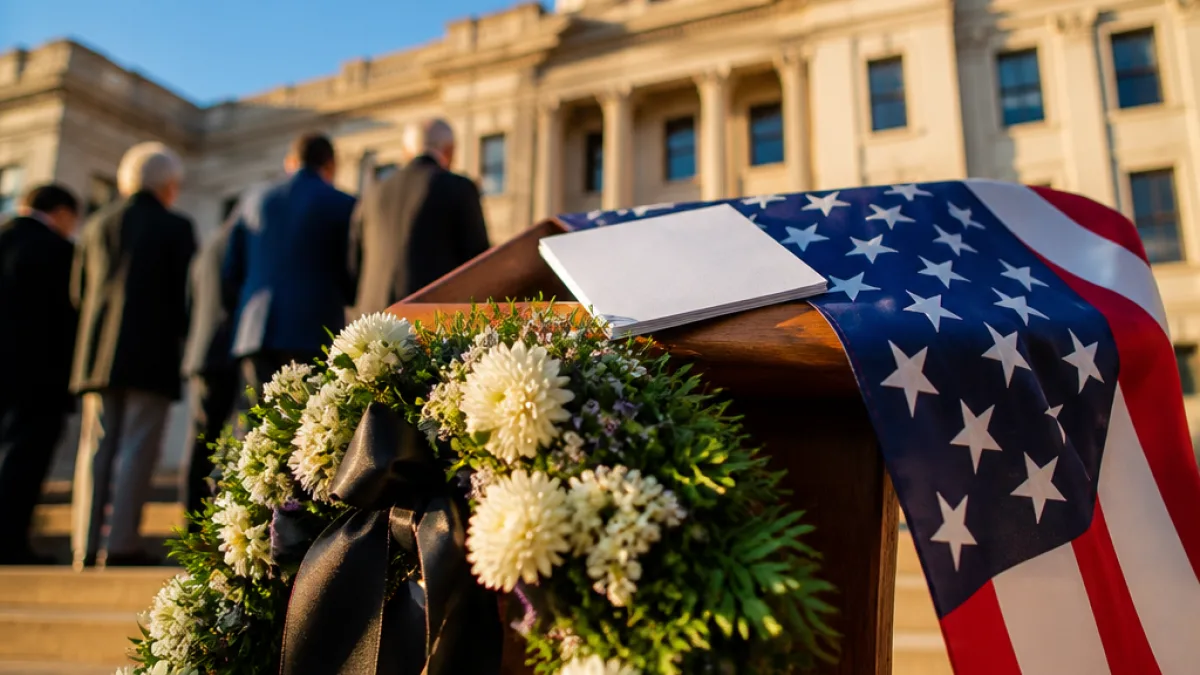
Stanford M. Adelstein, a Rapid City businessman, civic leader and former member of the South Dakota Legislature, died peacefully Aug. 10. He was born Aug. 19, 1931, in Sioux City, Iowa, and spent his childhood in Rapid City before launching a long career in public service and philanthropy.
Public service and political career
Adelstein represented constituents in western South Dakota for more than a decade. He served in the state legislature from 2001 to 2013, beginning in the South Dakota House of Representatives and later serving as a state senator for District 32. He frequently described his work in the Legislature as a privilege and said representing his district was “the best job he ever had.”
Known for tackling community issues and championing local causes, Adelstein maintained a reputation as a hands-on lawmaker who relished advocacy on behalf of his neighbors in Rapid City and the surrounding area.
Business background and education
Adelstein earned bachelor’s degrees in civil engineering and business administration from the University of Colorado at Boulder. He combined his professional training with private-sector experience to support civic institutions and local economic development.
Philanthropy and civic involvement
Throughout his life, Adelstein was an active philanthropist and volunteer, backing a wide range of cultural, health and educational organizations in the Black Hills and across South Dakota. He invested time, money and expertise into institutions that shape the cultural and civic life of Rapid City.
“How can I help?”
The question became a hallmark of his approach to public life: a practical prompt that guided both private giving and community leadership, according to those who worked alongside him.
Among the organizations he supported were:
- Rushmore Plaza Civic Center
- St. John’s McNamara Hospital
- The Journey Museum
- Dahl Fine Arts Center
- Black Hills Symphony
- Black Hills Playhouse
- Lutheran Social Services
- Performing Arts Center of Rapid City
- Club for Boys
- South Dakota Public Broadcasting
Those groups said Adelstein’s contributions ranged from board leadership to financial support, and his involvement left lasting institutional impacts across the region.
Family and personal life
Adelstein was the son of Morris and Bertha Adelstein. He met his first wife, Ita Korn Adelstein, while both were students at the University of Colorado; they married in 1952. Ita Adelstein preceded him in death in 2009. He later married Lynda Clark Adelstein.
He is survived by his wife Lynda; his sons Daniel, James and Jonathan (Karen); grandchildren Adam, Alexis, Shirley (Joshua Sanderlin), Michael (Laura Molnar) and Danielle; and great-granddaughter Lea Sanderlin. He is also survived by his brother Robert Adelstein (Carol) and cousin Jerry Mizel (Liora).
Legacy in Rapid City and beyond
Adelstein’s long-term devotion to Rapid City and to public service shaped local civic life for decades. Colleagues and community members point to his steady support for arts, health care and youth services as central elements of his legacy. He frequently approached public challenges by asking how best to contribute, whether through policy, governance or philanthropy.
His family said he found great joy in their accomplishments and in his grandchildren and great-grandchild, viewing them as a source of hope for the future.
| Born | Died | Legislative service |
|---|---|---|
| Aug. 19, 1931 (Sioux City, Iowa) | Aug. 10, 2026 | 2001–2013 (House, then Senate) |
Funeral and memorial arrangements were not detailed in the public obituary. Family and local organizations are expected to announce services and any commemorations in coming days.
Adelstein’s death marks the passing of a prominent figure in South Dakota public life — a lawmaker who translated business and civic engagement into sustained support for institutions that serve the Black Hills region.
















