
City and business group seek public input after Heinen’s closure
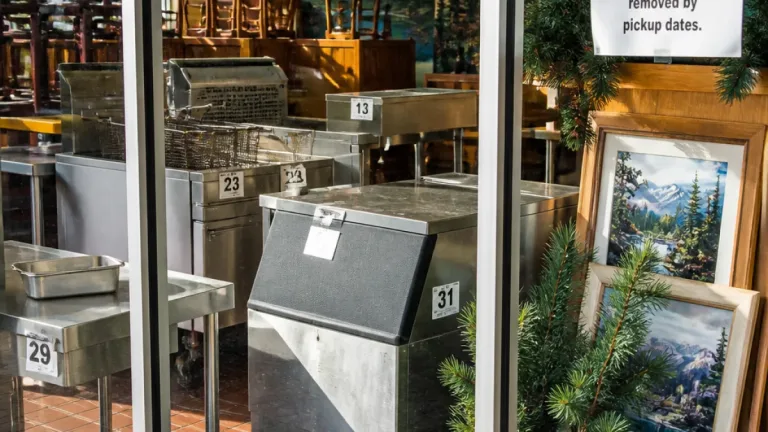
Downtown Cleveland, Inc. and the City of Cleveland have opened a public survey to gather input on what should succeed the downtown Heinen’s after the supermarket’s closure, officials said. The outreach is intended to shape a long-term grocery strategy that considers both community needs and commercial sustainability for whatever retailer or concept moves into the space.
The survey asks residents, workers, students, business owners and visitors about grocery habits and preferences: whether they want a full-service supermarket, a smaller neighborhood market, a grab-and-go focused store or another model. Organizers say responses will guide planning for a replacement that serves the people who rely on downtown shopping options and that makes business sense for a future operator.
Immediate impact on neighbors who relied on Heinen’s
The closure has already altered routines for downtown residents who depended on a nearby grocery. Lisa Faucon, who lives across the street from the former Heinen’s and does not drive, said losing the store changed how she plans food and shopping trips.
“This has been really convenient for a long time. I have to plan a little bit more for the grocery store. I don't drive, so I live right across the street, and that was part of my wanting to move downtown. I can walk to the grocery store, so it's been a loss for sure.”
Faucon works night shifts and noted that alternatives now require more effort, particularly after long work hours. She emphasized the convenience of being able to walk to a store and said she still values access to fresh ingredients and prepared foods.
Families and new residents voice similar concerns
Other downtown residents said access to a nearby grocery was a factor in choosing to live in the neighborhood. Natalie Tariq said a neighborhood grocery was one reason her family moved downtown after living in Chicago.
“Heinen's was a big reason why we moved downtown,”
She described having a store within walking distance as something her family valued and hopes to retain in whatever solution emerges.
Survey aims and next steps
Officials say the survey is part of a broader effort to develop a durable grocery strategy for downtown. The stated goal is to align what residents and other downtown users actually want and will use with a business model that can succeed in the location.
- Who’s being asked: residents, workers, students, business owners and visitors.
- Topics covered: shopping habits, preferences for store type, and use of prepared foods versus full grocery options.
- Outcome sought: a long-term grocery strategy to guide future leasing or development decisions.
| Stakeholder | Role in effort |
|---|---|
| Downtown Cleveland, Inc. | Survey lead and planner |
| City of Cleveland | Partner in outreach and strategy development |
Officials have not announced a specific timetable for decisions about the space formerly occupied by Heinen’s, and the survey is intended to inform longer-term planning rather than produce an immediate replacement. That approach underscores the tension downtown leaders face between restoring convenient retail quickly and finding a sustainable, long-term operator for a central location.
For residents like Faucon and Tariq, the stakes are practical as well as personal. A nearby grocery affects daily meal planning, commuting choices and quality of life. It also influences housing decisions: some downtown residents cited access to Heinen’s as a reason they moved to the neighborhood.
As the city and Downtown Cleveland, Inc. collect feedback, the responses will inform what type of food retail — if any single format — is prioritized for the site. Until a replacement is identified, residents will continue to adapt their routines and weigh alternatives farther from home or reliant on transit and delivery options.
The survey remains open to the groups identified by officials. Downtown users who want their preferences considered are encouraged to respond so planners can weigh a range of perspectives as they develop a strategy for grocery access in the heart of Cleveland.