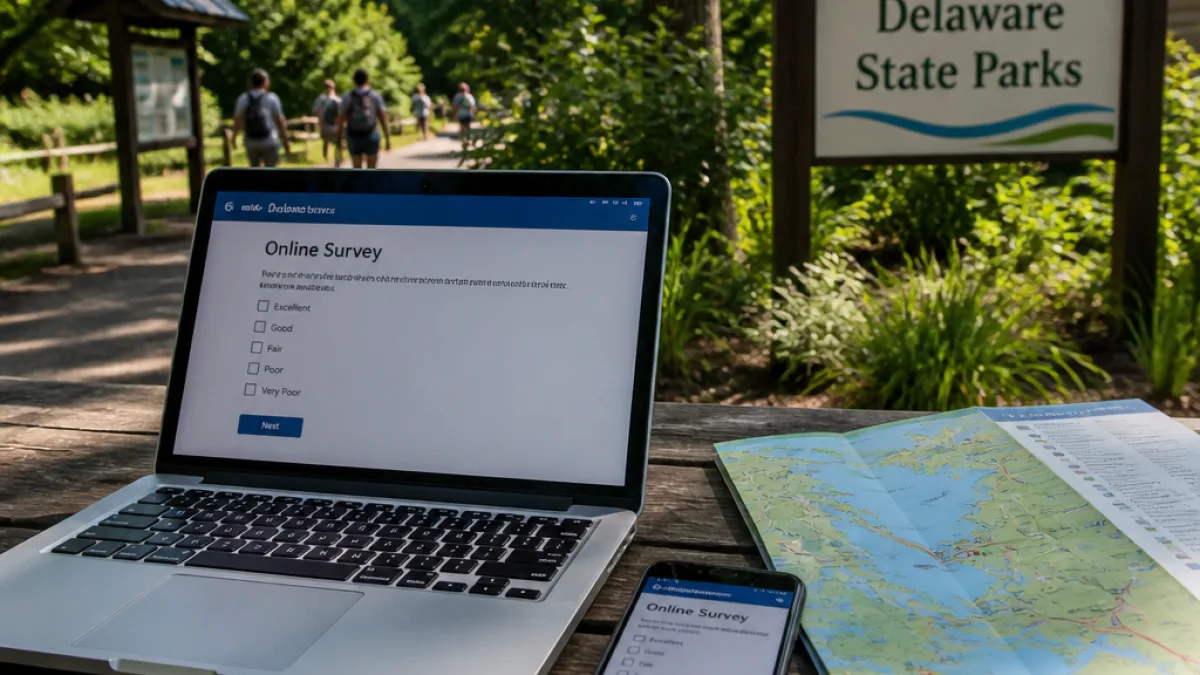
The Delaware Department of Natural Resources and Environmental Control’s Division of Parks and Recreation is asking residents and visitors to help map the future of the state’s park system by completing an online survey open through Sunday, Aug. 16.
Public input will guide next five years
The Division is developing a strategic plan that will guide park priorities, investments, programming and conservation from 2027 through 2031. Officials say the survey — which takes less than 15 minutes to complete and is anonymous — is open to anyone who visits, volunteers, works for or otherwise cares about Delaware’s state parks.
The feedback will influence decisions about recreational opportunities, the management of natural and cultural resources, and improvements to facilities and programs across the state’s parks system.
Scope of the state parks system
Delaware’s park system includes a mix of coastal beaches, historic sites and inland recreational areas that serve residents and the tourism economy. According to DNREC, the system currently includes:
- 17 state parks
- More than 20,000 acres of land
- A mix of beaches, campgrounds, historic sites and other recreational areas
Those figures frame the inventory that the Division will consider as it prioritizes conservation, infrastructure projects and programming in the coming five years.
| Item | Detail |
|---|---|
| Planning period | 2027–2031 |
| Number of state parks | 17 |
| Land area | More than 20,000 acres |
| Survey deadline | Aug. 16 |
| Survey length | Under 15 minutes; responses anonymous |
What the Division is seeking
The survey asks participants to provide views on park priorities, investments, facilities, programs and potential improvements. DNREC officials say responses will be folded into the Division’s assessment as staff determine where to allocate resources and how to balance recreational access with conservation of natural and cultural resources.
"Public input will help guide decisions about recreation opportunities, conservation and the protection of the state’s natural and cultural resources over the next five years."
The Division did not provide a detailed list of proposed projects or spending levels tied to the plan. Instead, the survey is intended to establish community priorities that will inform later budget and planning steps.
Why this matters to Delawareans
State parks host a wide array of activities that affect daily life and local economies: beach access during the summer months, camping and trails used year-round, historic sites that attract tourists, and programs that provide educational opportunities for school groups and volunteers. Decisions made in the strategic plan can influence where capital improvements are made, how staffing is allocated, which habitats receive additional protection, and how programs are structured or expanded.
For residents who use parks regularly, the plan could shape maintenance schedules, accessibility upgrades, and recreation programming. For coastal communities, it may influence how the state adapts to sea-level rise and storm impacts in park areas. For conservation advocates, the plan offers an opportunity to press for stronger protections for sensitive habitats and cultural sites.
How to participate
DNREC is inviting anyone with an interest in the parks system to take the online survey before the Aug. 16 deadline. The Division emphasizes that responses are anonymous and that the survey is intended to be completed in under 15 minutes.
Participation is open to:
- Residents who recreate in state parks
- Volunteers and staff who manage or support parks
- Tourists and occasional visitors with experience in the parks
After the comment period closes, the Division will compile responses and use them to help shape the priorities and investments detailed in the 2027–2031 strategic plan. DNREC has not announced a public timeline for release of the completed plan.
Delawareans who want their voices heard should plan to complete the survey before the Aug. 16 cutoff. The Division has framed the process as a way to ensure that future park investments reflect public priorities for recreation and conservation across the First State.