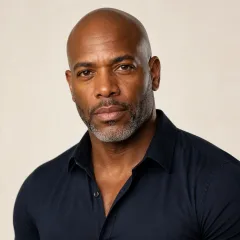

COLUMBUS, Ohio — The last window for Republicans to replace U.S. Rep. Max Miller on the general election ballot closed Monday, leaving the embattled congressman in the race for Ohio’s 7th Congressional District despite public accusations of domestic abuse from his ex-wife.
What the deadline means
With the filing cutoff now passed, party officials no longer have the option to substitute another Republican nominee for Miller. The move cements what had become an increasingly contested contest in a district long considered favorable to Republicans, forcing national and state GOP strategists to decide whether to invest resources defending the seat.
The episode has created a rift within Republican ranks. Several party figures publicly urged Miller to step aside; among them were both of Ohio’s U.S. senators and Miller’s former father-in-law, Sen. Bernie Moreno, who called on him to withdraw. The Republican National Committee signaled it would back Miller, though RNC Chairman Joe Gruters stopped short of an unequivocal public endorsement, according to reporting.
How opponents are responding
Democratic nominee Brian Poindexter, a union ironworker, said he would “serve with honor” and has used the controversy to press his case to voters. National Democratic groups that focus on U.S. House contests are closely watching the race to determine whether to escalate support for Poindexter.
President Donald Trump publicly expressed support for Miller, calling him "a good person" and urging that Miller’s dispute with Emily Moreno remain a private family matter. In a recent interview, Miller shared that the president told him remaining in the race ‘‘it’s going to be a tough race.’’
"He's a good person," the president said of Miller, according to reporting.
District politics and recent history
Ohio’s 7th Congressional District sits just south of Cleveland. Under the current congressional map, the district leans Republican, but not overwhelmingly so. Analysts from Dave’s Redistricting estimate a partisan tilt of 55% Republican to 44% Democratic.
| Item | Detail |
|---|---|
| District lean (Dave's Redistricting) | 55% R — 44% D |
| Miller's 2024 result | 51% in a three-way race that included Dennis Kucinich as an independent |
| Miller's age | 37 |
Implications for the fall campaign
Political operatives say the controversy and the inability to replace Miller could make the 7th District a target for Democrats looking to flip seats or force costly defensive spending by Republicans. While the district’s partisan numbers favor Republicans on paper, close margins in previous elections — including Miller’s narrow 51% win two years ago in a three-way contest that featured former congressman Dennis Kucinich as an independent candidate — suggest vulnerability under certain conditions.
Key questions for both parties now include whether national committees will allocate additional funds, whether independent groups will run ads, and how local voters will respond as primary campaign narratives shift from typical retail issues to character and conduct themes tied to the allegations.
- For Republicans: whether to consolidate around Miller and focus on turnout in a district that leans GOP.
- For Democrats: whether to increase investment behind Poindexter to capitalize on the controversy and narrow margins.
- For voters: how much the allegations will factor into voting decisions compared with policy and constituent services.
Background on Miller
Miller previously served as a senior aide to former President Donald Trump during his first term. The legal and personal dispute involving his ex-wife, Emily Moreno, prompted calls from several Republicans for him to withdraw. Despite that, Miller has said he is confident he can win reelection, citing the district’s partisan tilt and his record over two terms.
The outcome in Ohio’s 7th will be watched by political observers as a possible bellwether for how personal controversies affect competitive congressional races in districts that are not solidly partisan. With the substitution deadline now passed, attention will turn to fundraising reports, advertising buys and local outreach as both campaigns prepare for a fall contest that could carry broader implications for control of the U.S. House.
Damon Carver is the state correspondent for WE NEWS.