Bill Rasmussen, the Connecticut-born entrepreneur who helped create ESPN and whose vision for a 24-hour sports network changed how Americans watched sports, died Tuesday at his home in Florida. He was 93.
From a Connecticut idea to a national network
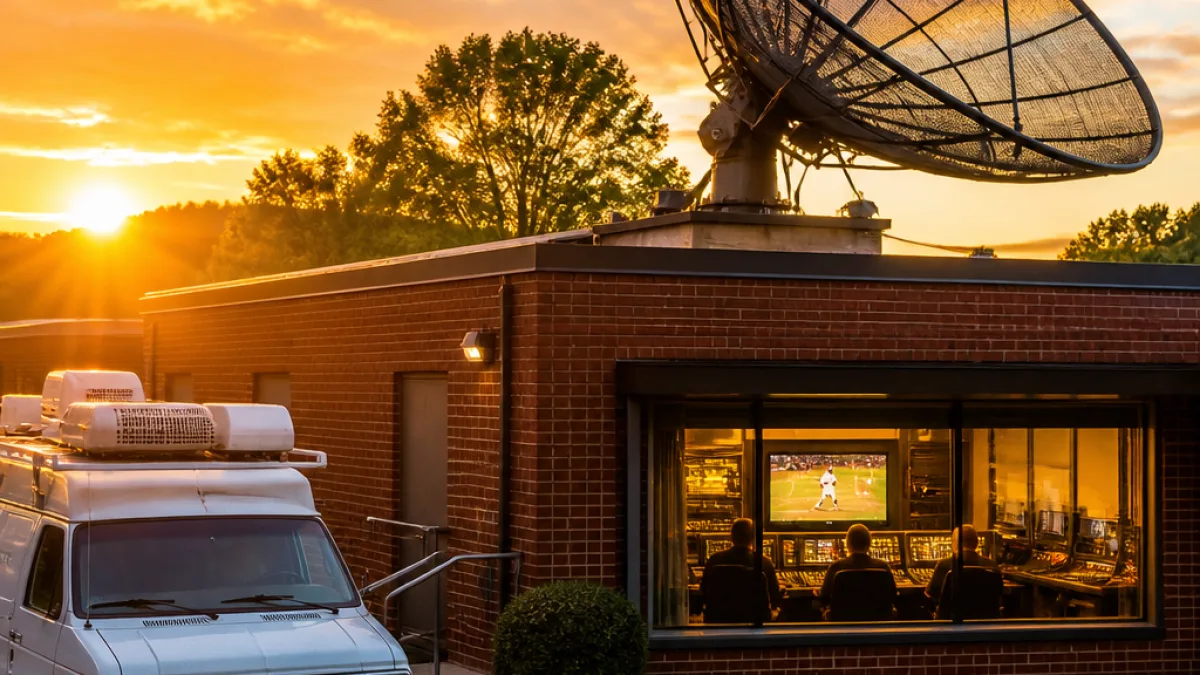
Rasmussen and his son, Scott, initially envisioned a channel devoted to Connecticut sports. The plan broadened after financial backers and industry advisers urged the Rasmussens to buy satellite time and aim for a national audience. That pivot, coupled with an early rights agreement with the NCAA and backing from Getty Oil, allowed the network to launch on Sept. 7, 1979, with its operations centered in a studio being completed in Bristol, Connecticut.
On the network’s first broadcast, George Grande introduced viewers to the inaugural edition of "SportsCenter" before the channel’s first live telecast, a slow-pitch softball game. The modest beginnings belied the network’s eventual reach: ESPN grew from an uncertain experiment into a dominant force in sports broadcasting.
The man behind the idea
Rasmussen arrived at the concept after leaving a public relations job in the World Hockey Association. His entrepreneurial drive and willingness to press ahead despite skepticism from some cable operators were central to the venture’s early momentum. The Rasmussens secured both the Getty investment and the NCAA rights deal on the same day, a pair of critical moves that made the launch possible while the Bristol studio was still under construction.
"Bill was a remarkable man — a visionary and an innovator who conceived the idea of a network entirely devoted to sports," ESPN chairman Jimmy Pitaro said in a statement.
Despite the idea’s success, the Rasmussens did not remain in charge for long. After just about a year, majority owner Getty Oil moved to replace them, taking operational control of the fledgling network. The change pushed Bill and Scott Rasmussen out of day-to-day leadership, but their original concept continued to shape ESPN’s identity.
Legacy and local impact
ESPN’s Bristol facilities remained a significant part of the company’s footprint for decades, employing production staff, journalists and technical crews and serving as a visible Connecticut presence for the global sports brand. The network’s success also reshaped cable television economics and created a market for round-the-clock sports programming that competitors later emulated.
Former ESPN colleagues recalled both the risks taken at the outset and the unclear prospect of survival when the channel first aired. "In those days, we didn’t know if we’d last four weeks, four years, let alone 40-some," longtime host George Grande said, noting that Rasmussen’s belief in the idea made the rest possible.
Health and final years
An ESPN historian said Rasmussen died from complications related to Parkinson’s disease. Rasmussen had publicly disclosed in 2019 that he was first diagnosed with the progressive neurological condition in 2014. He continued to be acknowledged by the sports media community for his role in conceiving a network that changed the industry.
| Fact | Detail |
|---|---|
| Birth / death age | 93 at time of death |
| ESPN launch | Sept. 7, 1979 |
| Parkinson’s diagnosis | 2014 (announced publicly in 2019) |
| Initial studio | Bristol, Connecticut |
- Vision: A 24-hour sports channel, originally aimed at Connecticut.
- Key partners: Getty Oil and the NCAA provided early financial and programming support.
- Impact: Helped create the template for continuous sports broadcasting and a major industry employer in Bristol.
Rasmussen’s death drew statements from current and former ESPN officials who credited his passion and entrepreneurial energy for setting the network on its course. Though he and his son eventually lost operational control to Getty, many involved in the channel’s early years credit Rasmussen with seeding an idea that became an enduring part of American media.
As sports networks proliferated in the decades after ESPN’s debut, the influence of that first satellite-fed experiment remained apparent: a constant stream of sports news, live events and commentary that reshaped fans’ expectations about how and when they could watch games. Rasmussen’s role in that change is central to his legacy.
He is survived by family members and a broad professional community that included broadcasters and production staff who worked in Bristol and across ESPN’s growing operations. Funeral arrangements and additional family statements were not immediately available.