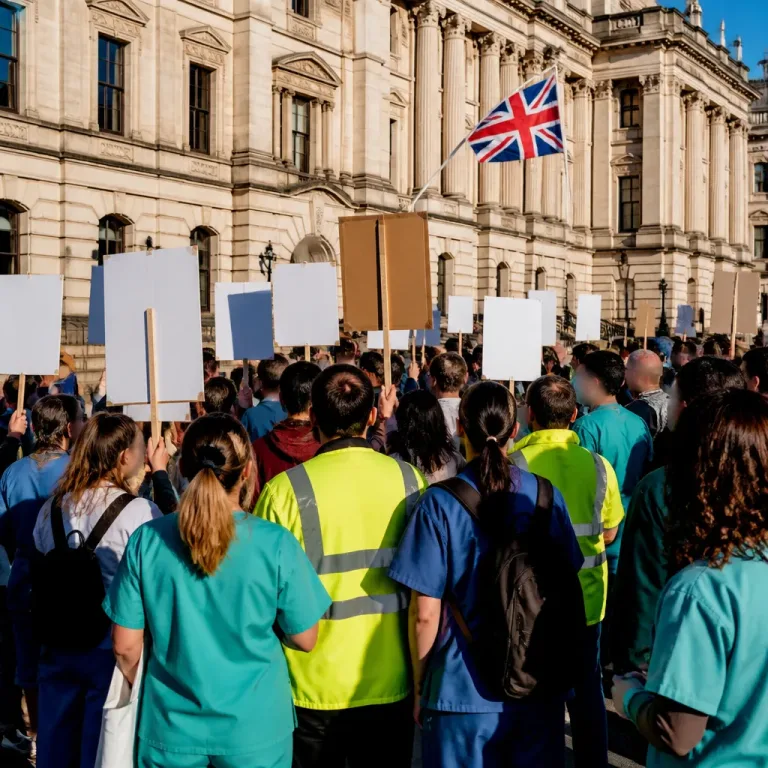
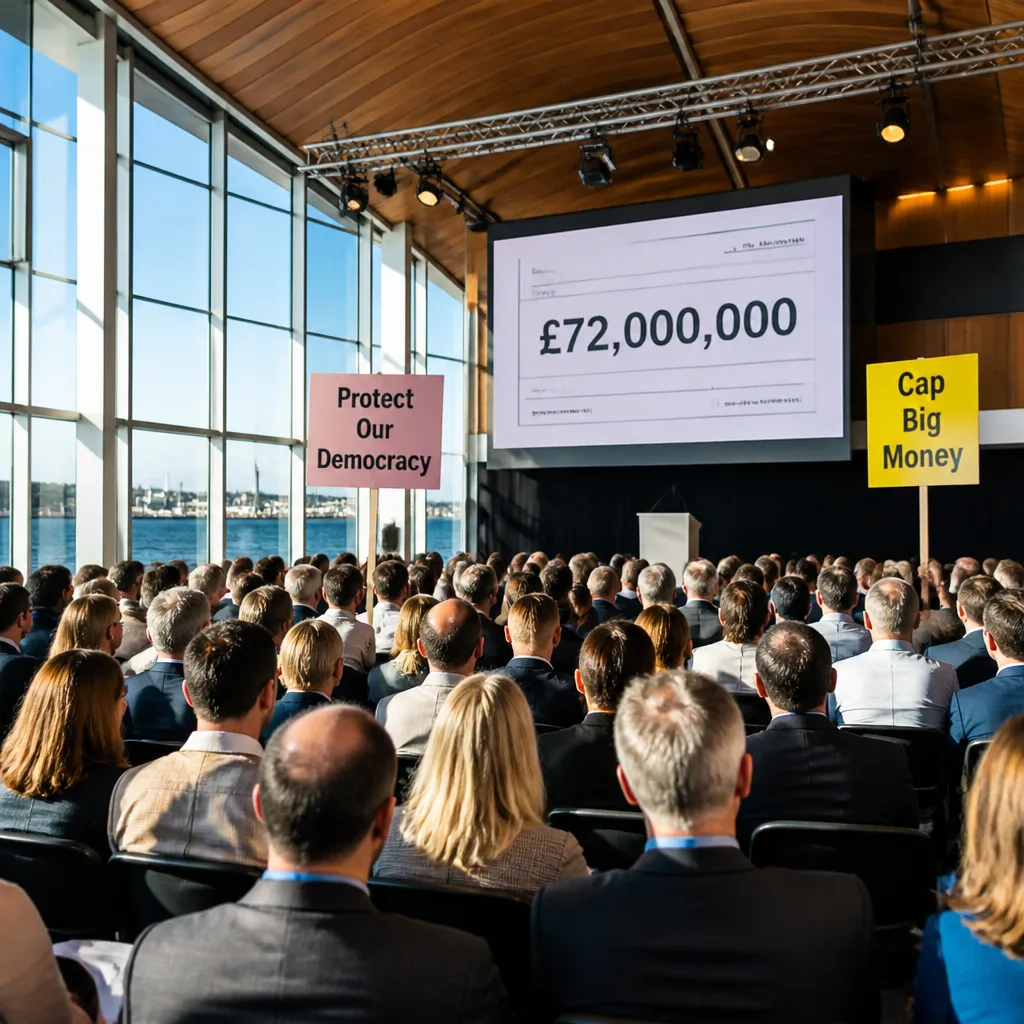
Trade unions are calling for urgent reform of political donations after two contributions totalling £72m to Reform UK provoked alarm within the labour movement and beyond. In a statement issued during the TUC's annual congress in Brighton, union leaders warned that unchecked spending was endangering the "health and integrity of democracy" and urged the government to prevent wealthy individuals from exerting undue influence.
The Trades Union Congress — the umbrella body representing unions across Britain — said it wanted the state to "protect our democracy from being captured by the super rich" and indicated it was prepared to engage with policymakers on proposals to tighten party funding rules. While the TUC did not explicitly call for the same strict cap on domestic donations the government plans to apply to Britons living overseas, it stressed that the scale of recent donations has altered the political landscape.
Why the debate has heated up
The row follows revelations that Reform UK received two very large gifts from British crypto entrepreneurs who have spent periods living abroad. The government has announced plans to limit donations from UK citizens living overseas — including a proposed £100,000 cap backdated to 25 March — but there are currently no legal limits on how much a UK-based individual may give to a political party.
Union officials pointed out the distinction between single, very large donations from wealthy individuals and funds provided to parties by trade unions, which are raised through many members paying subscriptions and political levies. Since 2020, unions have given near to £43m to the Labour Party, a figure unions argue derives from thousands of members rather than individual multimillion-pound gifts.
"There is a difference between a crypto-billionaire based in the UK or abroad giving millions and trade union
The Unite union leader, Sharon Graham, has proposed a domestic cap on individual donations in the range of £500,000 to £1m, while insisting trade union contributions should be treated separately because they reflect pooled memberships' choices rather than single benefactors' largesse.
Political and practical consequences
Ministers face competing pressures. On one hand, the eye-watering Reform UK donations have intensified calls from across the political spectrum for limits on private political spending. On the other, many unions — historically close to Labour — fear that a domestic cap could be used by a future government to constrain their funding ability and influence.
Officials familiar with internal discussions accept the donations have changed the debate, and they say a domestic cap may now be unavoidable. Any move to distinguish union funding from individual donations would require careful legal and regulatory design to avoid unintended consequences and to ensure compliance with existing rules on transparency and declaration.
- £72m — total of two donations to Reform UK that triggered the controversy.
- £100,000 — proposed cap on donations from British residents living overseas, to be backdated to 25 March.
- Almost £43m — sum given to Labour by trade unions since 2020.
| Item | Figure |
|---|---|
| Donations to Reform UK (two gifts) | £72m |
| Proposed cap on overseas UK donor donations | £100,000 |
| Trade union donations to Labour since 2020 | ~£43m |
| Suggested domestic cap by Unite leader | £500,000–£1m |
Any legislative response will be politically charged. Labour, Conservative and smaller parties will weigh the optics of supporting limits that could curb either super-rich benefactors or union-backed funds. Regulators will also need to consider enforcement mechanisms, and whether retrospective measures are lawful and practical.
Trade unions emphasised they are not uniformly opposed to reform. The TUC statement suggested openness to dialogue on measures to "clean up" the party funding system, but it repeated a firm insistence that union levies should not be equated with single-source donations from wealthy individuals.
As debate continues in Westminster and among party officials, the immediate consequence is heightened scrutiny of political donors and renewed pressure on ministers to produce a coherent plan that addresses both the influence of large personal gifts and the role of collective funding from unions.
How the government reconciles these competing concerns will test its ability to craft rules that preserve democratic integrity while respecting freedom of association and political participation.