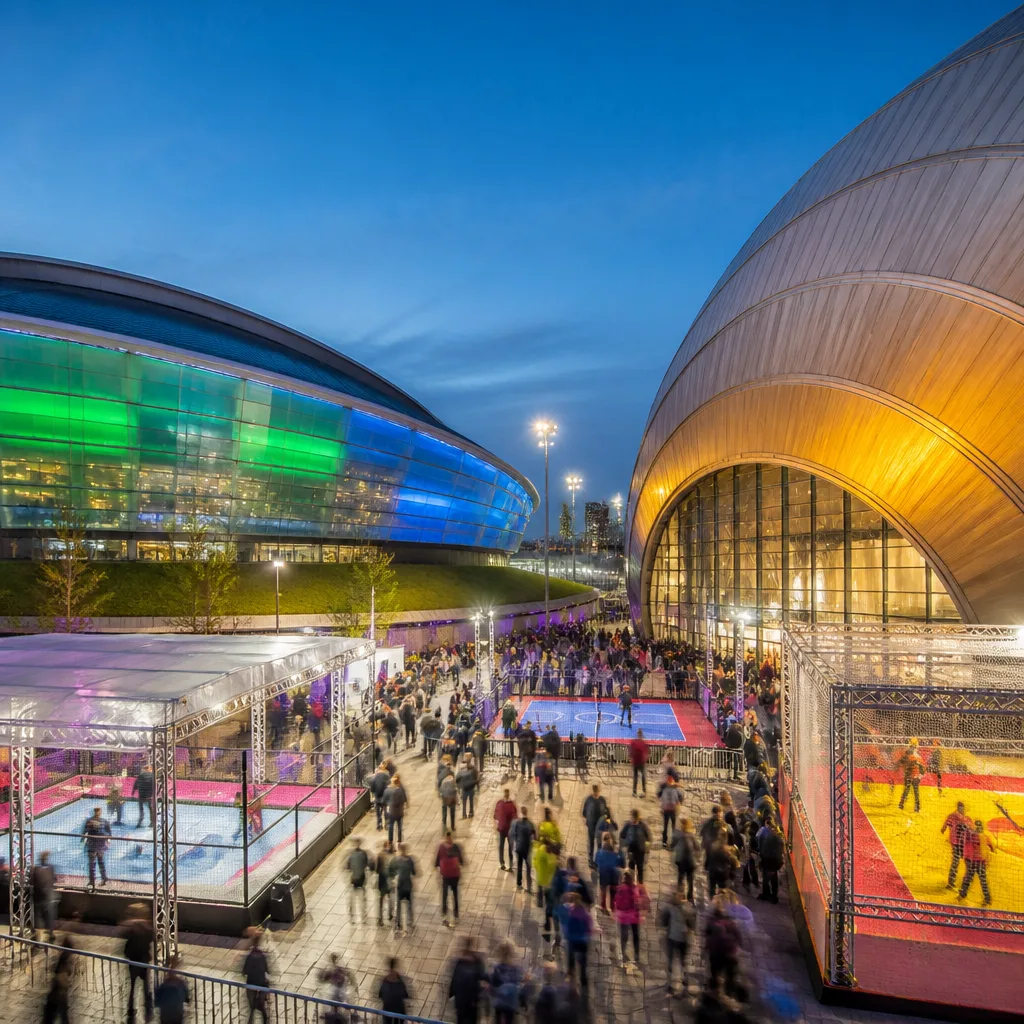
The Scottish Event Campus (SEC) has been celebrated for its pivotal role in the 23rd Commonwealth Games after being reworked into the single largest competition hub in Glasgow. Across the fortnight it was the setting for six of the Games’ ten sports, delivering a combined 360 hours of competition and drawing roughly 200,000 visitors onto the campus.
Major redeployment of spaces for elite sport
Organisers say the SEC—which normally hosts concerts, conferences and exhibitions—underwent a major operational shift to function as a full-time sporting campus. The venue’s daily population peaked at an average of 5,000 athletes and support staff, requiring bespoke changes to accommodation of competition arenas, warm-up zones, broadcast rigs and athlete services.
The transformation was comprehensive:
- The Hydro was converted from a live-entertainment arena into a world-class netball court.
- The Armadillo hosted both weightlifting and para-weightlifting platforms.
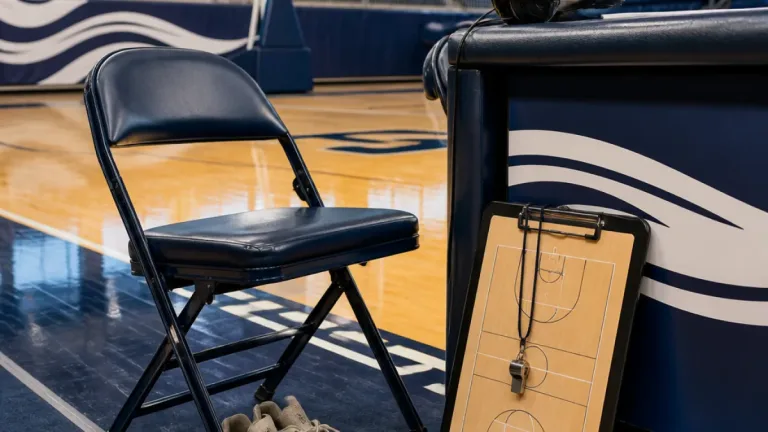
- Other parts of the campus staged 3x3 basketball, wheelchair basketball, judo, bowls and para-bowls.
Each discipline brought different demands — from spatial layout and equipment to technical infrastructure and broadcast sightlines — and organisers say the SEC team managed those complexities concurrently across the campus.
Leadership praises and operational pride
“Glasgow 2026 was a phenomenal success and we’re proud to have played such a key role. ... It’s also a huge statement of confidence in what the SEC is capable of.”
The comment, attributed to the SEC’s chief executive, underlined the venue’s pride at being entrusted with a major multi-sport event for a second time. Organisers highlighted not only the logistical achievements but also the symbolic value of hosting significant Games moments inside Glasgow’s cultural and events heart.
Phil Batty, chief executive of Glasgow 2026, described the campus as one of the Games’ “beating hearts”, saying that the SEC’s facilities and staff expertise helped deliver a seamless experience for competitors, officials and spectators.
Numbers that matter
Key figures from the SEC’s Games operation include:
- Six sports staged across the campus.
- 360 hours of competitive action.
- 200,000 people visiting the venue over the Games.
- An average of 5,000 athletes and staff present on site each day.
| Metric | Value |
|---|---|
| Sports hosted | 6 of 10 |
| Competition hours | 360 |
| Visitors | 200,000 |
| Average daily athletes/staff | 5,000 |
Legacy and future implications
Beyond the immediate logistics, the SEC’s delivery matters for Glasgow’s sporting reputation and for future large-scale events in the UK. Demonstrating that an existing entertainment and conference campus can be repurposed to meet elite-sporting requirements will be of interest to cities planning major multi-sport competitions, potentially reducing the need for new, single-use builds.
Organisers emphasised the workforce behind the scenes; venue staff, contractors and volunteers combined to manage technical builds, athlete flows and broadcast operations. That co-ordinated approach, they argued, helped ensure competition schedules were maintained and spectator experiences remained high despite the scale and diversity of the sporting programme.
With the Games now concluded, questions will shift from delivery to evaluation: how the SEC’s adaptations can feed into future commercial programming, what investments might be required to retain flexible sporting capability, and how the experience bolsters Glasgow’s credentials on the international stage.
For now, the SEC has closed a chapter on an intense fortnight of sport and is being publicly recognised for turning an entertainment campus into a multi-sport arena at scale—an operation that, organisers say, will remain a standout moment in the venue’s history.