
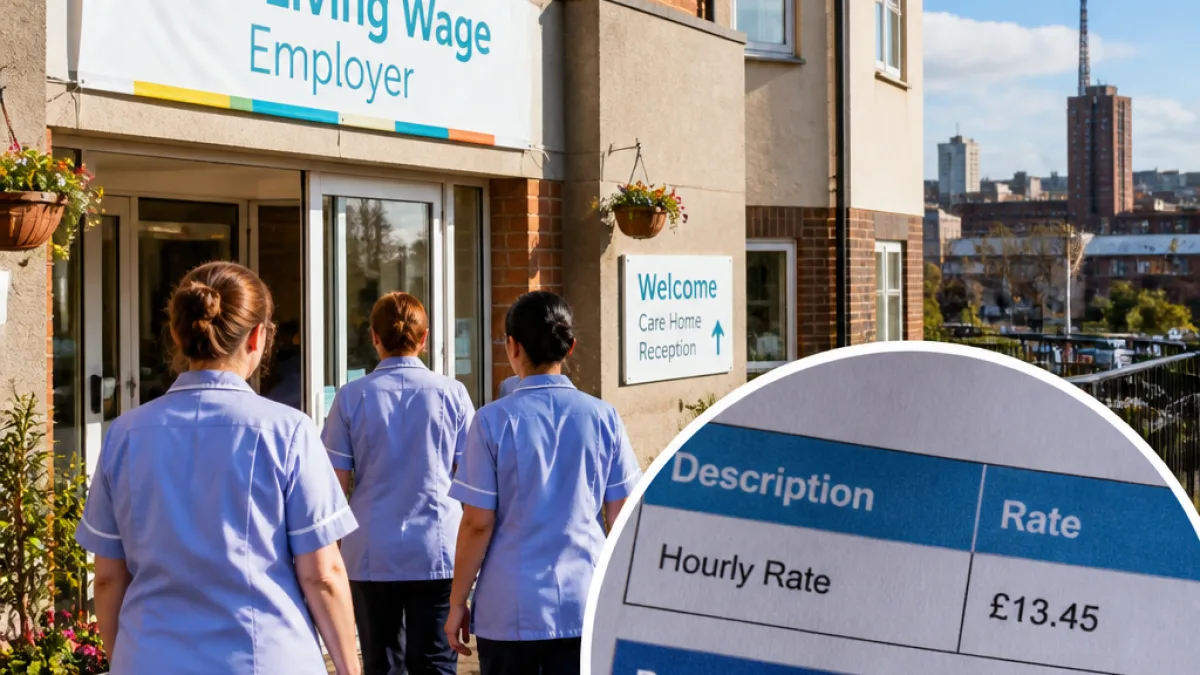
Horizon Care, a Rotherham-based social care provider, has confirmed it will continue to pay all staff the Real Living Wage, ensuring a minimum hourly rate that exceeds the Government’s National Living Wage.
What the pledge means locally
The organisation said the move was made in recognition of the demanding and compassionate nature of care work and aims to provide staff with greater financial security as pressures on household incomes persist across the region. Horizon Care’s continued accreditation commits the employer to a minimum pay rate of £13.45 per hour for every employee.
That figure compares with the Government-set National Living Wage, which currently stands at £12.71 per hour for those aged 21 and over. The decision therefore represents a wage premium of £0.74 per hour over the national statutory floor for adult workers.
| Rate | Amount |
|---|---|
| Horizon Care (Real Living Wage) | £13.45/hour |
| Government National Living Wage | £12.71/hour |
Context in the care sector
Low pay remains a pronounced issue for health and social care across Yorkshire and the Humber. Nationally, an estimated 4.4 million roles were paid below the Real Living Wage in 2025, underlining the scale of the challenge facing many workers as the cost of living continues to rise.
Horizon Care’s statement framed the commitment as an expression of respect for staff who deliver day-to-day support to vulnerable people. The provider said it believes those who pursue careers in care should themselves feel valued and financially secure.
“I have spent my career in social care because I believe the sector has the power to genuinely change lives. But that only works if the people delivering that care are treated with the same dignity and respect we ask them to extend to others.”
The comment was made by Emma Reeve, Managing Director at Horizon Care, who emphasised the organisation’s long-standing focus on supporting employees alongside service users.
Practical implications and likely effects
Securing the Real Living Wage for all staff will have a number of immediate and medium-term consequences for the employer, its workforce and the local community. These include:
- Directly increasing take-home pay for frontline care workers employed by Horizon Care.
- Potentially improving staff retention and making roles more attractive in a competitive local labour market.
- Placing financial obligations on the employer to sustain the higher wage level, which may affect budgeting and service commissioning discussions.
For Rotherham residents who use care services, the pledge could indirectly support continuity of care if better pay helps reduce staff turnover. For staff, even modest hourly increases can make a tangible difference when spread across regular hours and overtime.
Wider debate
The move by a local employer adds to a broader debate on how best to reward essential workers in social care, where pay has lagged behind other sectors. While the Real Living Wage is set independently of government rates and reflects the cost of living, employers who voluntarily adopt it must balance the benefits for staff with operational affordability.
Horizon Care’s action will be watched by other employers in Rotherham and the wider region as community organisations, commissioners and councils consider how to support sustainable, quality care provision while managing public and private budgets.
As the cost-of-living pressures persist, commitments such as this from local employers will remain an important part of discussions about labour standards and the long-term resilience of social care in Rotherham.















