Staff at BBC Radio 1 are said to be concerned about the station’s recent schedule overhaul after six familiar presenters left the line‑up and new names were announced, with one of the highest‑profile additions, social‑media personality GK Barry, due to begin an initial six‑week programme in September.
What’s changing at Radio 1
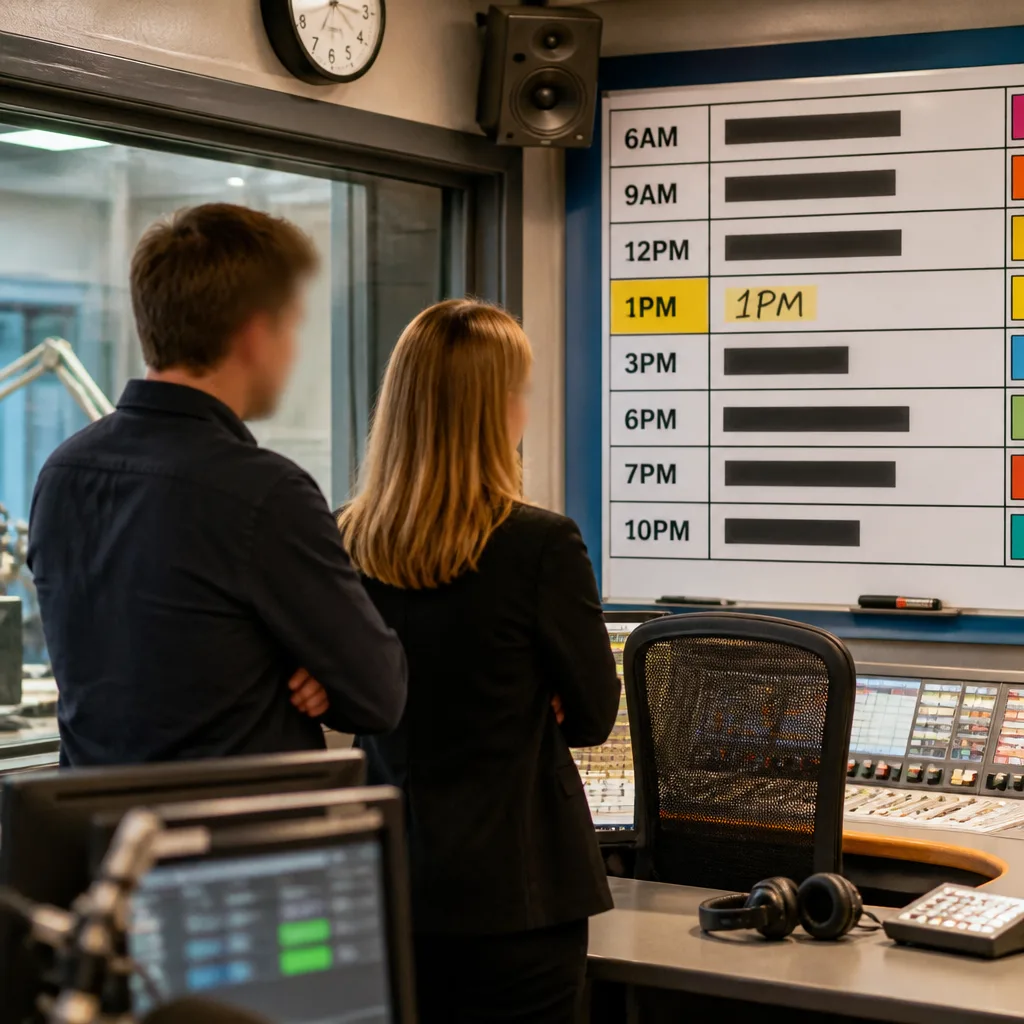
The BBC has confirmed that GK Barry (Grace Keeling) will take a weekday slot at 1pm from 10 September, initially for six weeks, and that she will front further series later in the year. The decision forms part of a wider reshuffle which follows the departures of presenters Rickie Haywood Williams, Melvin Odoom, Dean McCullough, Nat O’Leary, James Cusack and Swarzy.
According to a report in the Daily Mail citing unnamed Radio 1 staff, morale among employees has dipped and some are worried that the focus on online reach could be influencing recruitment and programming decisions.
"You'll be hearing my favourite songs, we'll be speak
The Mail’s account quotes anonymous sources saying long‑standing broadcasters fear for their positions and believe social‑media visibility is being weighted more heavily than conventional broadcasting experience when new talent is chosen. The report also suggests some of GK Barry’s recorded shows will run for two hours and be pre‑recorded rather than transmitted live; the BBC’s public statement confirmed the start date, time and length of the initial stint but did not state that programmes would be pre‑recorded.
BBC response and wider context
A Radio 1 spokesperson told the press that the station remains committed to younger audiences while blending established and emerging DJs, and emphasised Radio 1’s track record in nurturing presenters with specialist music knowledge. The spokesperson’s remarks reframed the changes as part of a deliberate strategy to refresh the schedule rather than a reaction to declining internal morale.
Industry observers note that commercial radio and streaming platforms have altered how broadcasters and executives think about reach and audience engagement. Radio 1 — traditionally the BBC’s flagship youth music station — has a history of developing talent, but the current reshuffle has exposed tensions between digital metrics and traditional presenter craft.
- Confirmed new slot: GK Barry, 1pm, starting 10 September (initially six weeks)
- Recent departures: Rickie Haywood Williams, Melvin Odoom, Dean McCullough, Nat O'Leary, James Cusack, Swarzy
- New additions: Charley Marlowe, Mylo and Rosie, Emil Franchi (included in the wider schedule)
Names on the move
Beyond GK Barry’s placement, the September schedule introduces a number of newer presenters. The Daily Mail piece suggests those changes — coupled with multiple exits — have left remaining staff uncertain about the station’s future direction. The BBC maintains that the changes form part of its ongoing mission to serve younger listeners, while still providing opportunities for presenters at different stages of their careers.
| Departures | Noted new arrivals |
|---|---|
| Rickie Haywood Williams Melvin Odoom Dean McCullough Nat O'Leary James Cusack Swarzy |
GK Barry (Grace Keeling) Charley Marlowe Mylo and Rosie Emil Franchi |
For staff, the core worry appears to be less about any single appointment and more about the criteria used to select new presenters. Sources told the paper that social‑media presence can unduly influence decisions, leaving experienced on‑air talent anxious about their long‑term prospects.
The BBC’s public position is one of reassurance: that Radio 1 will continue to balance established names with fresh voices and maintain its remit to engage a young audience. Whether that message quiets concern inside the station will depend on how the new schedule performs and whether further departures follow in the coming months.
Either way, the shake‑up spotlights a broader question for public and commercial broadcasters alike: how to reconcile the appeal of digital fame with the skills and institutional memory that experienced presenters bring to live radio.