The Home Office and policing leaders have unveiled a centralised unit designed to disrupt the use of illegal vehicle registrations by organised crime networks and drivers seeking to evade penalties.
National coordination and new technology
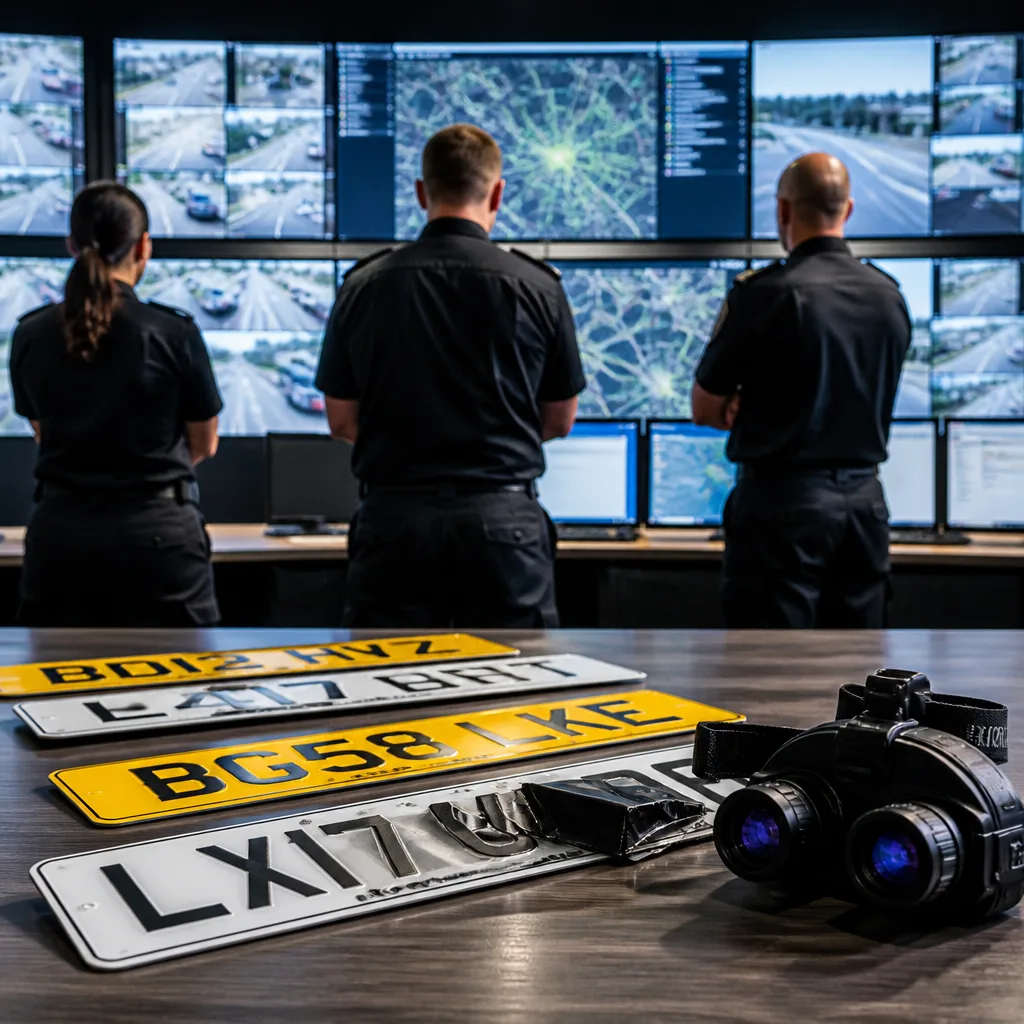
The National Roads Policing Coordination Centre (NRPCC) will act as a focal point for forces across England, combining data and intelligence to identify vehicles using false, obscured or cloned registrations. Ministers said the move aims to make it harder for offenders to hide stolen vehicles, transport illicit goods or avoid speeding, parking and clean air zone penalties.
Officials confirmed the centre will also deploy specialist equipment, including goggles capable of revealing number plates that have been altered to thwart automatic camera recognition. The Department for Transport (DfT) estimates such devices are often employed by criminal groups to put vehicles beyond the reach of enforcement systems.
Scope of the problem
Illegal plates take several forms:
- Cloned plates, where a lawful registration is copied to disguise a different vehicle.
- So-called ghost plates, which use materials or films to become effectively invisible to camera systems.
- Incorrectly displayed, missing or deliberately mutilated plates intended to frustrate detection.
Drivers found to be displaying non-compliant plates can face fines of up to £1,000, while the use of such registrations poses wider public safety and investigative problems for police forces attempting to trace vehicles linked to criminality.
Enforcement and intelligence-led operations
Policing and crime minister Sarah Jones said the measure recognised the broader harm caused by tampered registrations and framed the initiative as part of a push to hamper organised crime. She added that better collaboration and technical capability would close loopholes exploited by offenders.
"Illegal number plates are not a victimless offence. They are used by criminals to avoid detection, move illegal goods and stay one step ahead of law enforcement."
Operational leadership at the centre will be coordinated by senior roads policing officers. Ch Supt Marc Clothier, deputy national co-ordinator for the NRPCC, highlighted previous targeted campaigns as evidence of what a concentrated, intelligence-led tactic can achieve for both enforcement and public education.
"The police forces involved in our ghost plates operation have shown how effective a targeted and intelligence-led approach is in tackling offenders as well as educating and supporting drivers in ensuring their number plates are compliant."
Implications for policing and the public
Centralisation is intended to accelerate information-sharing and to support local forces by identifying patterns that point to organised activity, rather than isolated offences. Detecting and disrupting the supply chains for illicit plates could assist investigations into a range of offences, from vehicle theft to more serious organised crime.
Critics of centralisation often warn of the need to preserve local knowledge and capacity. Police sources emphasise the NRPCC is designed to complement, not replace, existing local roads policing teams by acting as an intelligence hub and a conduit for specialist resources.
| Issue | Potential impact |
|---|---|
| Cloned registrations | Obscures identity of stolen vehicles; frustrates tracing |
| Ghost plates | Defeats camera-based enforcement and intelligence systems |
| Incorrectly displayed plates | Leads to fines and undermines traffic enforcement regimes |
For motorists, the message from government is clear: ensuring number plates meet legal standards is both a civic duty and a protection against becoming inadvertently entangled in criminal activity. The NRPCC’s initial operations are expected to combine technological detection with targeted intelligence work to reduce the incidence of plate-related offending and to disrupt the gangs and suppliers involved.
How quickly the centre will deliver measurable reductions in organised use of illegal plates will depend on continued co-operation between forces, the deployment of specialist kit, and the ability to translate intelligence into arrests and prosecutions.