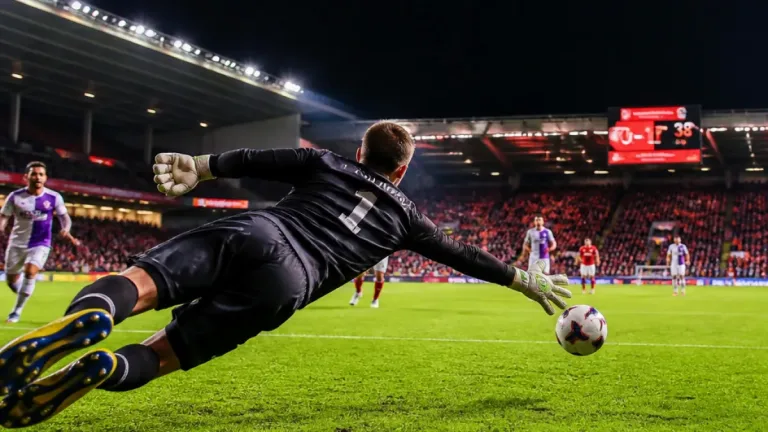
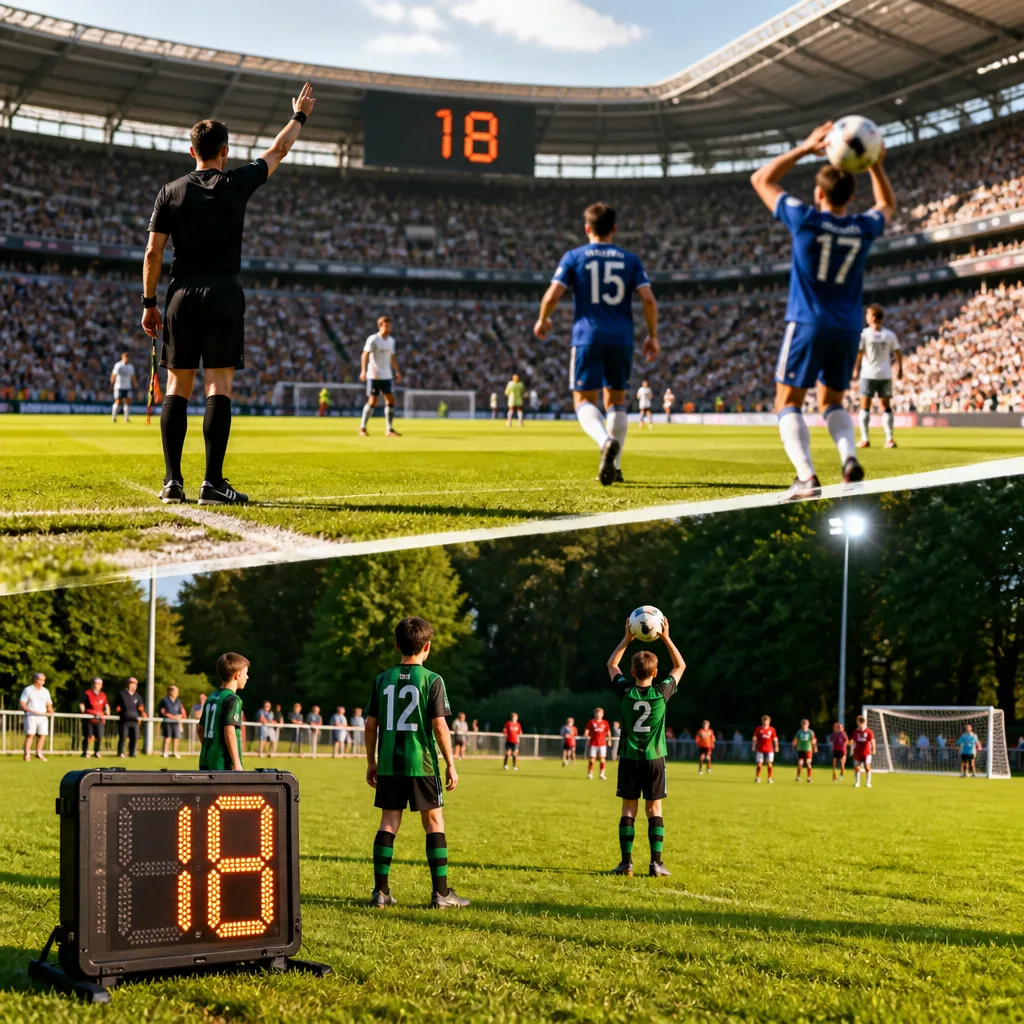
New rules to curb timewasting and speed up play will be applied across English football for the 2026-27 season, governing bodies confirmed, with the measures set to run from the Community Shield through the Premier League, the EFL and down to Sunday league matches.
What is changing
The reforms, many first trialled at the World Cup, are designed to reduce deliberate delays and boost the amount of time the ball is in play. Match officials will have fresh powers to enforce quicker restarts for routine situations such as goal-kicks, throw-ins and other stoppages, with visible countdowns and intervention where players attempt to slow the game.
Officials will be instructed to signal when a brief countdown begins and to take the restart away from the offending team if a player does not resume play within the set period. The system is intended to alter behaviour rather than simply punish, but could disadvantage teams that have traditionally used delay tactics to preserve results.
Context and early evidence
Those behind the changes point to evidence from major tournaments. At the 2022 World Cup in Qatar the ball was in play for an average of 58 minutes 3 seconds, equivalent to 56.86% of total match time. In a more recent summer trial that figure rose to 58 minutes 16 seconds, but with less stoppage time added, meaning the ball was in play for 60.43% of matches.
| Event | Average ball-in-play time | Percentage of match |
|---|---|---|
| 2022 World Cup (Qatar) | 58:03 | 56.86% |
| Summer trial | 58:16 | 60.43% |
Governing bodies hope the fresh approach will deliver more football between the whistles without simply increasing added time at the end of matches. The laws will be applied widely: from elite fixtures such as Sunday’s Community Shield between Arsenal and Manchester City and through the Premier League campaign, to professional and recreational leagues. The changes are not being introduced solely within VAR areas, meaning they will affect matches regardless of video assistance.
Practical effects for managers, players and referees
The new framework puts greater responsibility on referees to manage tempo and on players to adapt quickly. Key practical points to watch this season include:
- Goal-kicks and throw-ins will trigger visible countdowns; referees will make clear signals to restart play.
- Any deliberate tactic judged to delay the restart — such as leaving the ball on a cone or repeatedly dropping it for a team-mate — can prompt the countdown and ultimately be awarded to the opposition if time runs out.
- The emphasis is on changing behaviour rather than imposing routine sanctions, so referees will be expected to intervene and instruct players to move quickly.
Managers who have relied on slowing the tempo to protect narrow leads may need to rethink in-game strategies. Equally, sides that thrive on continuous play could benefit from a reduction in cynical stoppages. Referees will face fresh scrutiny; their management of the countdowns and restart decisions will be pivotal in determining whether the rules deliver smoother, fairer matches or provoke confusion and inconsistency.
Wider implications
The overhaul represents a continuation of efforts to make the spectacle more appealing to supporters and broadcasters alike, reducing perceived dead time in matches. For grassroots football, the changes could require education programmes so volunteer referees and amateur players understand the new expectations.
As the season gets under way, attention will fall on high-profile matches to see how strictly officials enforce the countdowns and whether the alterations stick across the full breadth of the football pyramid. If the stated gains in ball-in-play time are sustained, the 2026-27 campaign could feel noticeably brisker — but only if teams and referees adapt in tandem.