The documentary chronicling Theranos founder Elizabeth Holmes stunned audiences at a secret screening in Telluride, where filmmakers revealed an unorthodox project that could reshape expectations for true‑crime cinema. The three‑hour film, made over a three‑year period, combines close, often intense conversations with moments of staged re‑creation and prolonged access to Holmes days before she began an 11‑year prison sentence.
Intimacy, artifice and access
Rather than a conventional investigative biography, the film was assembled by director Lance Oppenheim in collaboration with comedian and creator Nathan Fielder — the latter known for his absurdist television work. Fielder moved into Holmes’s rented Southern California home in the weeks before she reported to the Federal Prison Camp in Bryan, Texas, allowing cameras to capture private moments that many documentarians would typically avoid.
Throughout the production, the filmmakers permitted Holmes and her partner, Billy Evans, to switch off cameras on several occasions, but they also staged scenes to represent events that could not be recorded directly. The final film includes extreme close‑ups and long, intimate exchanges that interrogate both subject and maker.
“I don’t know why I’m there,”
The line above, spoken by Fielder during a post‑screening discussion, crystallises the film’s uneasy navigation between participant and observer. He told the audience he was still trying to make sense of his own experience filming Holmes.
Release, running time and provenance
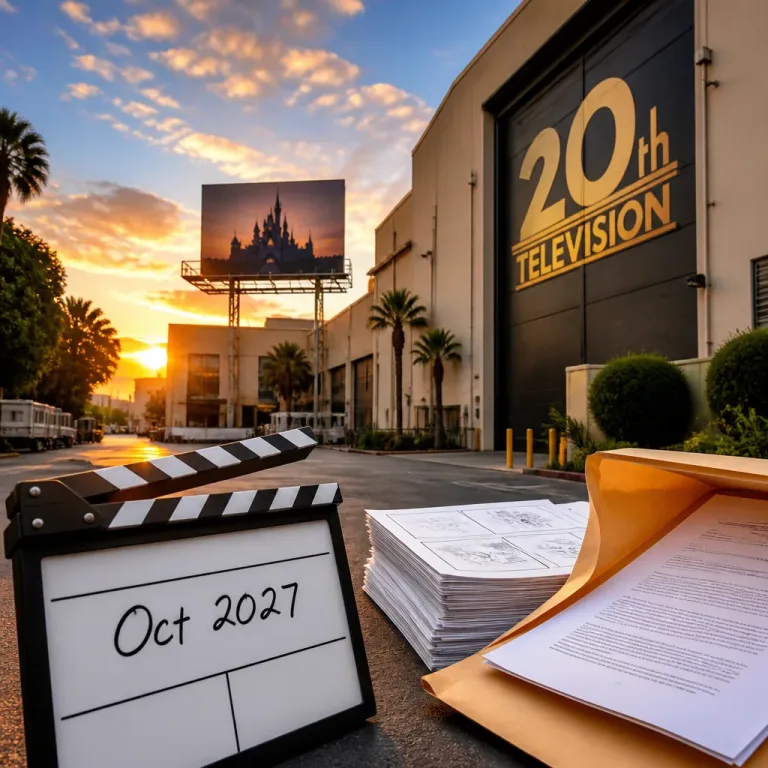
A24 will release the documentary in theatres on 16 October. The film’s considerable length — approximately three hours — and unconventional approach have already made it a talking point among festival programmers and critics.
| Item | Detail |
|---|---|
| Directors | Lance Oppenheim; collaboration with Nathan Fielder |
| Subject | Elizabeth Holmes |
| Runtime | Three hours |
| Distributor | A24 |
| Theatrical release | 16 October |
Context and consequences
Holmes has been a familiar figure in popular culture since the downfall of Theranos, which collapsed after investigative reporting exposed false claims about its blood‑testing technology. She has been the focus of multiple prior treatments: Alex Gibney’s film The Inventor: Out for Blood in Silicon Valley (2019), a documentary look at Silicon Valley culture in 2021 titled Valley of Hype, and the fictionalised Hulu miniseries The Dropout (2022), starring Amanda Seyfried. This latest film, however, distinguishes itself by granting unusually prolonged proximity to its subject at a vulnerable moment.
That proximity raises ethical questions that will likely animate discussion as the film reaches wider audiences. Observers will want to know whether the filmmakers’ closeness humanises Holmes in a way that obscures culpability, or whether it offers a new, necessary complexity to a familiar narrative of fraud and ambition. The presence of staged re‑creations complicates conventional markers of factual cinema and brings documentary form to the fore as part of the story.
- Access: Fielder’s decision to live in Holmes’s home provided material not usually available to documentarians.
- Form: The film blends real interviews with constructed scenes to depict off‑camera events.
- Timing: Filmed shortly before Holmes began a lengthy prison sentence, the documentary captures a pivotal moment in her public rehabilitation strategy.
Whether audiences view the film as revelatory or troubling, it is already forcing filmgoers and critics to confront what documentary truth means when the camera is invited — and sometimes encouraged — to linger.
The film will arrive in cinemas in mid‑October, and its reception will likely be measured not only by critical response but by how it reshapes public understanding of a story that has been told in several different forms over the past decade.