Malaysia’s near‑universal internet adoption has coincided with a steep rise in harmful online behaviour, according to government figures, prompting new scrutiny of how digital spaces have become venues for humiliation and organised harassment that some treat as entertainment.
Connectivity and consequence
The Department of Statistics Malaysia reported that in 2025 some 98.3% of individuals used the internet, while household penetration reached 97.1%. Those figures underline how digital communications have moved from being a niche activity to the central arena for work, news, debate and social life.
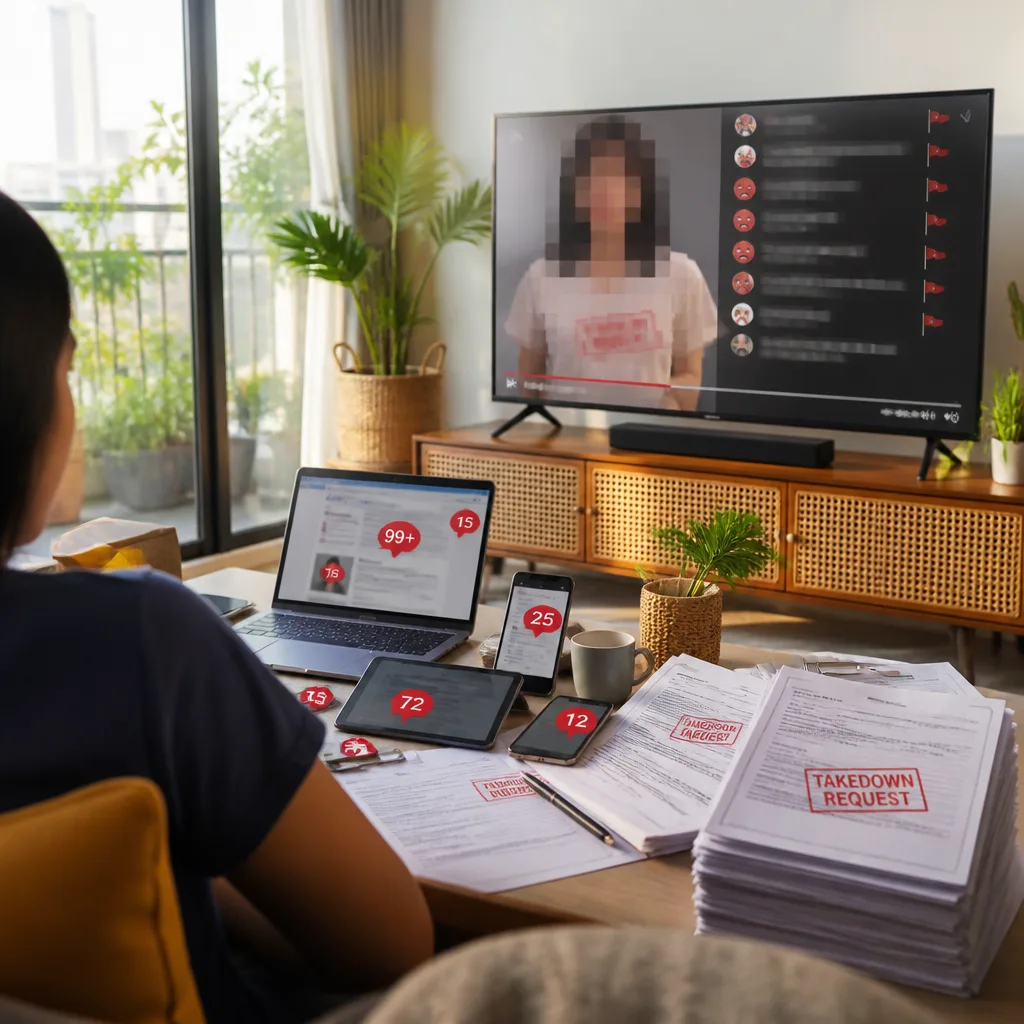
Yet the advantages of connectivity are shadowed by what regulators describe as a growing behavioural problem: interactions that escalate from disagreement into deliberate provocation, personal attacks and prolonged harassment. The Malaysian Communications and Multimedia Commission (MCMC) recorded a sharp rise in removals of cyberbullying content, reporting 8,756 items taken down in 2024 compared with 1,763 in 2023 — an increase of almost fivefold.
Scale and pattern of abuse
By September 2025, MCMC had submitted more than 50,000 requests to social‑media platforms to remove bullying‑related content since 2022. The picture the regulator paints is not of isolated unpleasant comments but of coordinated pile‑ons: threads where old posts and images are weaponised, strangers join in to mock appearance or motives, and the visible distress of the target becomes the main attraction.
Experts have long described an “online disinhibition effect”, where anonymity, invisibility and psychological distance lower barriers to behaviour that would be less likely in face‑to‑face encounters. The Malaysian accounts echo that research: a conversation about politics, entertainment or parenting can rapidly migrate from argument to personal humiliation, with engagement metrics — likes, shares and laughter — effectively rewarding those who escalate.
| Indicator | Figure |
|---|---|
| Individual internet users (2025) | 98.3% |
| Household internet access (2025) | 97.1% |
| Cyberbullying content removed (2023) | 1,763 |
| Cyberbullying content removed (2024) | 8,756 |
| Removal requests submitted to platforms (since 2022, by Sept 2025) | 50,000+ |
When disagreement becomes spectacle
Observers emphasise that not every sharp exchange should be labelled cyberbullying and that robust disagreement is necessary in public debate. The pressing concern, regulators say, is the change in intent and audience: interactions that start as opinion or criticism become performances aimed at eliciting an emotional reaction, often sustained and amplified by onlookers who treat the target’s distress as entertainment.
The dynamics described by MCMC mirror wider conversations in media and culture about the ethics of virality: how attention economies reward outrage, how historical posts are dredged up for fresh shaming, and how platforms' design can facilitate rapid escalation.
- High connectivity means most of Malaysia is online, raising the stakes of public exchanges.
- Regulatory activity has surged: content removals and platform takedown requests are rising sharply.
- Behavioural pattern shows a shift from debate to deliberate humiliation, often encouraged by audience approval.
For creators, public figures and ordinary users alike, the numbers suggest a changing environment where being visible online brings not only opportunity but an elevated risk of becoming the subject of orchestrated abuse. The figures from MCMC and the national statistics office offer a snapshot of that wider cultural transformation — one that points to the need for clearer norms, more effective moderation, and arguably a national conversation about what we expect from public life in the era of constant connectivity.
As Malaysia’s digital public square grows ever more crowded, the challenge will be to preserve the advantages of being online without allowing provocation and humiliation to become a default form of entertainment.