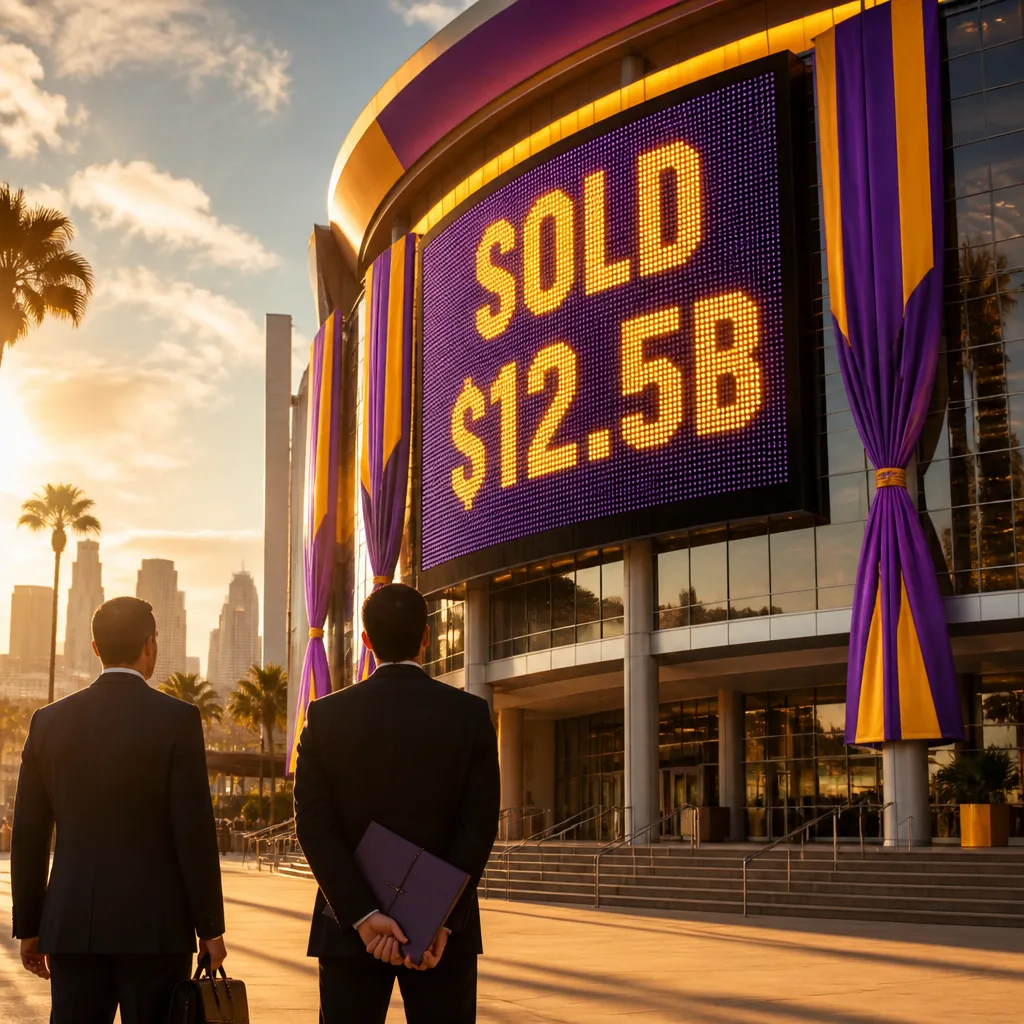
The Los Angeles Lakers are set to be sold in a landmark transaction worth $12.5bn, a figure that would eclipse previous valuations in professional sport and mark one of the most expensive franchise deals in history. The buyer group is led by venture capitalist Josh Kushner alongside entertainment executive Bob Iger.
From a $67.5m purchase to a multibillion-pound sale
The NBA giants were acquired by Jerry Buss in 1979 for $67.5m — a package that also included the then-Kings NHL franchise and the arena now known as the Kia Forum. After Buss’s death in 2013, ownership passed into a family trust controlled by his six children. That arrangement ended with a later transaction involving an owner identified in court documents as Walter, who also holds a stake in the Los Angeles Dodgers alongside Todd Boehly.
In a short statement after the sale was announced, Walter reflected on his time with the Lakers:
"Owning the Los Angeles Lakers has been one of the great honors of my life... I am grateful to Jeanie Buss, the Buss family, the players, and the staff for welcoming me into this chapter. The Lakers belong to Los Angeles, and I have every confidence the best is still ahead."
Sporting legacy and the commercial calculus
The deal transfers stewardship of a franchise with 17 NBA championships — one fewer than the Boston Celtics’ record of 18 — to a new ownership group at a moment when sports teams are global media assets as much as they are competitive institutions. The buyers bring different strengths: Kushner from the venture capital world and Iger as a seasoned media chief, a combination that underlines how team ownership increasingly sits at the intersection of finance, technology and entertainment.
- Original purchase by Jerry Buss: $67.5m (1979)
- Current franchise titles: 17
- New sale price: $12.5bn
| Item | Figure |
|---|---|
| Purchase price (1979) | $67.5m |
| Sale price (2026) | $12.5bn |
| NBA championships | 17 |
Beyond silverware, the Lakers are a global brand whose value is driven by media rights, sponsorships, merchandise and a loyal local fan base that treats the team as part of the city's cultural fabric. New ownership will be tasked with balancing competitive investment on the court with the commercial strategies needed to justify such a sizeable purchase.
Controversies and wider connections
The involvement of Josh Kushner also ties this sale to recent controversies in the international sports investment sphere. Kushner's firm, Thrive Eternal, was reported to be central to a proposed investor group for the aborted Fifa Forward Enterprise plan connected to Fifa president Gianni Infantino — a project that attracted scrutiny and ultimately failed to proceed.
The acquisition therefore raises questions about how new owners will manage reputational risk while pursuing commercial opportunity. For fans, however, the immediate concerns are more likely to be about team direction: transfers, coaching, and the allocation of resources to chase further NBA titles.
As with any transfer of major sporting assets, regulatory approvals and final contractual details must still be completed before the transaction is closed. The sale marks the end of one ownership chapter that began with Buss’s transformative stewardship and the start of another in which media savvy and venture capital expertise will shape the Lakers’ next era.
More broadly, the transaction underscores the rising valuations across elite sport and the premium placed on iconic franchises in global cities. For Los Angeles — a market that has long married celebrity culture with athletic spectacle — the Lakers remain as much a civic institution as a sports team, and the new owners inherit both the expectation to win and the need to preserve that bond.