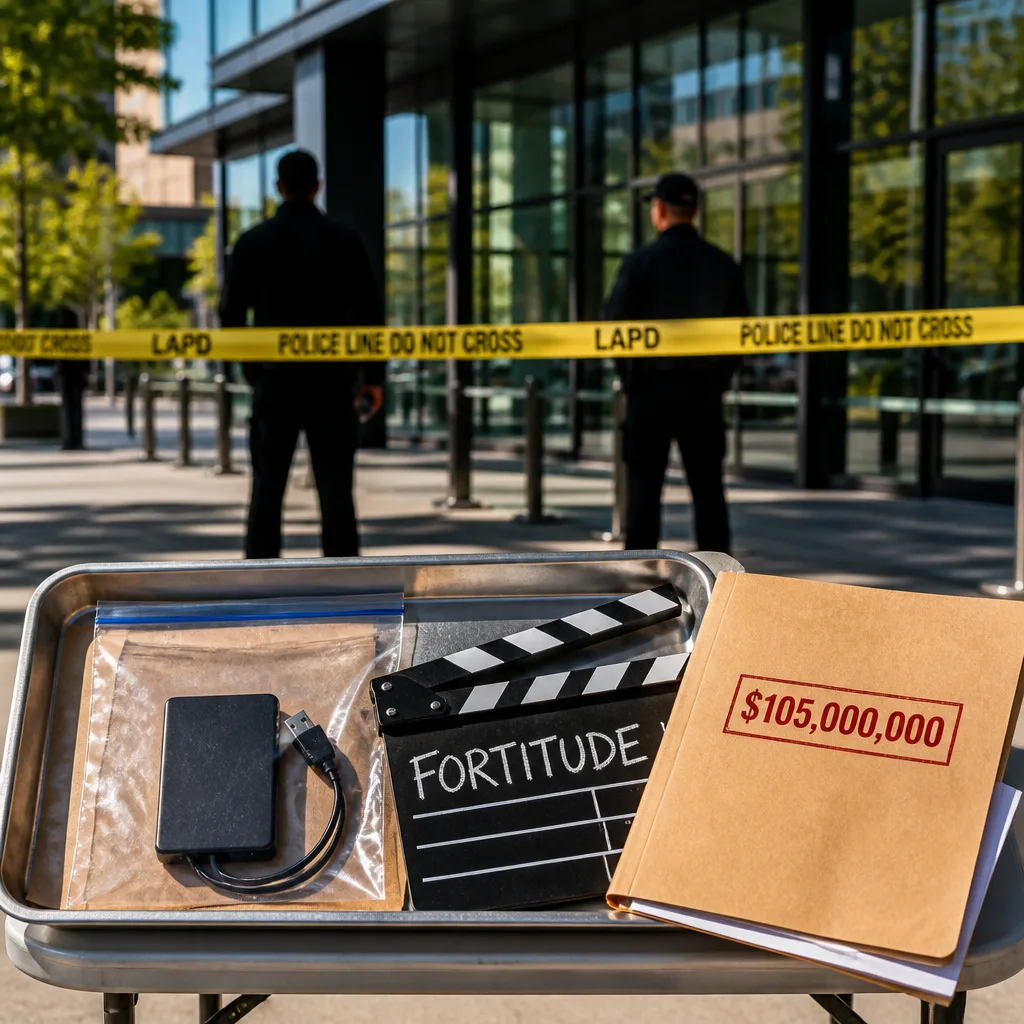
The Los Angeles Police Department has opened an inquiry after a producer claimed a copy of a World War II spy film starring Nicolas Cage went missing while in Netflix’s possession. Producer Simon Afram and his company have also filed a civil suit seeking at least $105 million in economic damages.
Allegation, police report and lawsuit
Afram’s legal team filed a report at the Hollywood Community Police Station on 15 July, saying a drive containing the film, titled Fortitude, was misplaced after being delivered to Netflix for viewing. The report states the title cost approximately $45 million to produce and asserts the film could fetch more than double that amount if sold.
“This report is being made on an emergency basis, as there is reason to believe that Netflix, Inc. and its employees are suppressing and/or spoliating evidence of the theft of an asset with a cost of $45 million to create and a likely sale value of over twice that amount,”
An LAPD spokesman confirmed the force is investigating the report. Netflix declined to comment on the police submission when approached.
How the dispute unfolded
According to the complaint viewed by reporters, an associate producer for Fortitude delivered an unencrypted copy of the film to Netflix on 15 June. Ten days later, on 25 June, the streamer informed the associate producer the drive had been stolen from its offices.
A Netflix executive, identified in court papers as a director for original film, emailed that a number of drives had been taken from office desks and that the company’s security team had been unable to recover them. The email also said Netflix would either reimburse Afram’s company for the missing drive or produce a new digital cinema package, an offer Afram rejected as insufficient in the subsequent lawsuit.
Film, cast and background
Fortitude is described in the papers as a World War II espionage picture, with the drama inspired by Operation Fortitude — the wartime deception that sought to mislead Adolf Hitler’s command. The film’s cast includes Nicolas Cage and Ben Kingsley. Court documents characterise the project as marrying elements of caper-style storytelling with wartime intrigue.
Industry and legal implications
The case touches on a number of industry concerns: the security of physical and digital media in the distribution process, how streaming companies handle pre-release materials, and the remedies available to rights-holders when content is lost or stolen. Afram’s suit seeks compensation for the alleged loss and accuses Netflix of failing to provide adequate information about its internal probe.
Netflix’s offer to reimburse the cost of the drive or recreate a screening package highlights a practical avenue companies use to mitigate losses of master copies, but the producer maintains that the damage exceeds what those measures would address — encompassing lost future revenue and other economic harms laid out in the complaint.
Timeline
| Date | Event |
|---|---|
| 15 June | Associate producer delivers an unencrypted copy of Fortitude to Netflix for viewing |
| 25 June | Netflix informs the associate producer the drive was stolen from its offices |
| 15 July | Producer’s lawyers file a report with the Hollywood Community Police Station |
| July (last month) | Afram and his company sue Netflix seeking at least $105 million in damages |
What happens next
- The LAPD investigation will seek to identify any criminal wrongdoing and preserve relevant evidence.
- The civil case against Netflix will proceed in parallel, with the producer asking the court for compensatory damages.
- Both the criminal and civil tracks may prompt scrutiny of how streaming platforms secure early materials and how producers protect valuable content during pre-release phases.
The case is likely to be watched closely by studios and independent filmmakers alike — not for the celebrity names attached, though they help the headlines, but because it raises practical questions about custody and control of high-value creative assets in an era when streaming platforms dominate distribution.